Medical Services
The Largest online database of patient reviews for doctors, facilities and online Appointment.


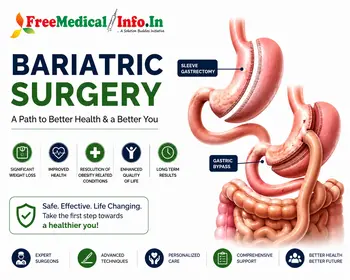
Bariatric surgery is
a specialized branch of medicine focused on the surgical treatment of
obesity and its associated health complications. It is recommended for
individuals with severe obesity who have not achieved adequate weight loss
through diet, exercise, behavioral modifications, or medical therapies. These
procedures help patients lose excess body weight, improve metabolic function,
and reduce the risk of obesity-related diseases.
Obesity is a complex chronic
condition that can negatively affect nearly every organ system in the body.
It is associated with serious health problems such as Type 2 diabetes,
hypertension, obstructive sleep apnea, heart disease, fatty liver disease,
osteoarthritis, infertility, and certain cancers. Bariatric surgery addresses
obesity by altering the digestive system to limit food intake, reduce nutrient absorption,
or both, leading to substantial and sustained weight loss.
Several types of bariatric
procedures are available, each designed to meet specific patient needs. Sleeve
gastrectomy is one of the most commonly performed procedures and involves
removing a large portion of the stomach, resulting in reduced hunger and decreased
food consumption. Gastric bypass surgery creates a small stomach pouch and
reroutes part of the small intestine, helping patients achieve significant
weight loss while improving blood sugar control. Other options include mini
gastric bypass, adjustable gastric banding, and duodenal switch surgery.
The benefits of bariatric
surgery extend beyond weight reduction. Many patients experience
improvement or complete remission of obesity-related conditions, particularly Type
2 diabetes and hypertension. Weight loss also contributes to better
mobility, reduced joint pain, improved sleep quality, enhanced fertility,
and greater self-confidence. In addition, studies have shown that
bariatric surgery may lower the risk of cardiovascular disease and
increase life expectancy in eligible individuals.
Successful outcomes depend
on a comprehensive approach that includes lifestyle changes, nutritional
counseling, physical activity, and regular medical follow-up. Patients are
encouraged to adopt healthy eating habits, consume nutrient-rich foods, and
take prescribed vitamins and mineral supplements to prevent nutritional
deficiencies after surgery.
Although bariatric surgery is generally safe when performed by experienced specialists, it is
still a major surgical procedure and carries potential risks such as bleeding,
infection, nutrient deficiencies, dumping syndrome, and weight regain. Thorough
evaluation and patient education are essential before undergoing treatment.
With proper patient
selection, ongoing medical support, and commitment to lifestyle
modification, bariatric surgery can be a life-changing intervention that
promotes lasting weight loss, better health, improved physical function, and an
enhanced quality of life.
Obesity Morbid Obesity Severe Obesity Class III Obesity Super Obesity Central Obesity Abdominal Obesity Childhood Obesity Diabetes & Metabolic Disorders Type 2 Diabetes Mellitus Prediabetes Insulin Resistance Metabolic Syndrome Hyperinsulinemia Dyslipidemia Hypercholesterolaemia Hypertriglyceridemia Liver Disorders Non-Alcoholic Fatty Liver Disease (NAFLD) Non-Alcoholic Steatohepatitis (NASH) Obesity-Related Liver Disease Cardiovascular Disorders Hypertension Coronary Artery Disease (CAD) Atherosclerosis Congestive Heart Failure (CHF) Obesity-Related Cardiomyopathy Stroke Risk Associated with Obesity Respiratory Disorders Obstructive Sleep Apnea Obesity Hypoventilation Syndrome Chronic Respiratory Insufficiency Obesity-Related Asthma Gastrointestinal Disorders Gastroesophageal Reflux Disease (GERD) Hiatal Hernia Gallstones Barrett's Esophagus Obesity-Related Digestive Disorders Endocrine & Hormonal Disorders Polycystic Ovary Syndrome (PCOS) Hypogonadism Hormonal Imbalance Metabolic Endocrine Dysfunction Musculoskeletal Disorders Osteoarthritis Knee Osteoarthritis Hip Osteoarthritis Chronic Back Pain Joint Pain Due to Obesity Mobility Impairment Reproductive & Fertility Disorders Female Infertility Male Infertility Menstrual Irregularities Pregnancy Complications Due to Obesity Gestational diabetes risk Psychological & Eating Disorders Binge eating disorder (BED). Emotional Eating Disorder Depression Associated with Obesity Anxiety Disorders Low Self-Esteem Related to Obesity Nutritional Deficiency Disorders Iron Deficiency Anemia Vitamin B12 Deficiency Vitamin D Deficiency Folate Deficiency Thiamine Deficiency Calcium Deficiency Zinc Deficiency Copper Deficiency Selenium Deficiency Protein-Energy Malnutrition Post-Bariatric Surgery Complications Dumping Syndrome Anastomotic Leak Stricture Formation Internal Hernia Marginal Ulcer Dehydration Malabsorption Syndrome Weight Regain After Bariatric Surgery Weight Management & Body Composition Disorders Weight Recurrence Inadequate Weight Loss Sarcopenic Obesity Excess Skin Problems Body Composition Imbalance Obesity-Related Physical Deconditioning Bariatric Surgery Procedures Sleeve Gastrectomy Roux-en-Y Gastric Bypass Mini gastric bypass (MGB) Adjustable Gastric Banding (AGB) Duodenal Switch Surgery Revisional Bariatric Surgery Endoscopic Bariatric Procedures
Book appointments with minimum wait-time & verified doctor details

Bariatric Surgery

Bariatric Surgery

Bariatric Surgery

Bariatric Surgery
Book appointments with minimum wait-time & verified Hospital details

SSB Heart And Multispeciality Hospital
Bariatric Surgery

Bariatric Surgery

Bariatric Surgery

Metro Heart Institute with Multispeciality
Bariatric Surgery
Book appointments with minimum wait-time & verified other services

Top 10 Hospitals in Faridabad Discover Quality Healthcare Options
Top-Rated Hospitals in Faridabad for Quality Healthcare Services Introduction: When it comes to healthcare, finding a reliable and reputable hospi...
Advertisement

|

|

|

|

|

|

|

|

|

|