Medical Services
The Largest online database of patient reviews for doctors, facilities and online Appointment.


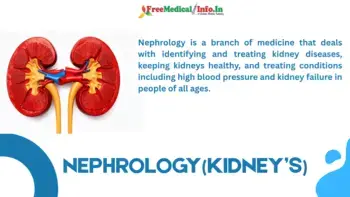
Nephrology – Comprehensive Kidney Care for a Healthier Life
Nephrology is a specialized branch of medicine that focuses on the diagnosis, treatment, and prevention of kidney-related diseases. The kidneys play a vital role in maintaining the body’s internal balance by filtering waste, controlling blood pressure, regulating electrolytes, and managing fluid balance. When they are affected, it can lead to serious complications impacting the heart, bones, and overall well-being.
Nephrologists are medical experts who diagnose and manage a wide range of kidney disorders—from acute infections and electrolyte imbalances to chronic kidney disease (CKD) and end-stage renal failure. They not only address diseases directly involving the kidneys but also conditions that indirectly affect them, such as diabetes and hypertension.
Common kidney diseases treated under nephrology include glomerulonephritis, nephrotic syndrome, diabetic nephropathy, polycystic kidney disease, acute kidney injury (AKI), and chronic kidney disease (CKD). In addition, nephrologists manage complex cases involving renal artery stenosis, electrolyte disturbances, and renal failure requiring dialysis or transplant evaluation. Early diagnosis and timely intervention are essential to prevent irreversible kidney damage and improve quality of life.
Modern nephrology combines advanced diagnostic tools with personalized medical management. Tests such as urinalysis, kidney function tests (KFT), ultrasound, biopsy, and imaging studies help in accurately identifying the stage and type of kidney disease. Based on the findings, nephrologists design a customized treatment plan that may include medications, diet modification, dialysis, or surgical interventions.
For patients with advanced kidney failure, dialysis serves as a life-sustaining therapy that removes toxins and excess fluid from the body when the kidneys can no longer function effectively. Depending on the patient’s condition, hemodialysis or peritoneal dialysis may be recommended. In select cases, kidney transplantation offers a long-term solution, restoring near-normal kidney function and improving quality of life.
Preventive nephrology plays a crucial role in maintaining kidney health, particularly for high-risk individuals such as diabetics, hypertensive patients, and those with a family history of kidney disorders. Regular health check-ups, blood pressure control, sugar management, adequate hydration, and a balanced diet are vital steps in preventing kidney damage.
A holistic approach to kidney care involves not just medical treatment but also patient education and lifestyle guidance. Nephrologists work closely with dietitians, urologists, and other specialists to provide comprehensive, multidisciplinary care.
With advances in technology and awareness, most kidney diseases can now be managed effectively if detected early. Nephrology, therefore, stands at the forefront of preventive and restorative medicine, ensuring that every patient receives the best possible care for optimal kidney function and overall health.
Glomerular Diseases Glomerulonephritis (GN) IgA Nephropathy (Berger’s Disease) Membranous Nephropathy Minimal Change Disease Focal Segmental Glomerulosclerosis (FSGS) Lupus Nephritis Post-Streptococcal Glomerulonephritis Tubulointerstitial diseases (TIDs) Conditions affecting kidney tubules and surrounding tissues Acute Interstitial Nephritis (AIN) Chronic Interstitial Nephritis Drug-Induced Nephritis Polycystic Kidney Disease (PKD) Vascular Kidney Diseases Diseases affecting blood vessels in the kidney Hypertensive Nephrosclerosis Renal Artery Stenosis Thrombotic Microangiopathy (TMA) Hemolytic Uremic Syndrome (HUS) Atheroembolic Renal Disease Tubular Disorders Renal Tubular Acidosis (RTA) Fanconi Syndrome Bartter Syndrome Gitelman Syndrome Nephrogenic Diabetes Insipidus Cystic kidney diseases Autosomal Dominant Polycystic Kidney Disease (ADPKD) Autosomal Recessive Polycystic Kidney Disease (ARPKD) Medullary Sponge Kidney Simple Renal Cysts Kidney Stones (Nephrolithiasis) Calcium oxalate stones Uric Acid Stones Struvite Stones Cystine Stones Acute Kidney Injury (AKI) Pre-Renal AKI (e.g., dehydration, heart failure) Intrinsic Acute Kidney Injury (AKI) Post-Renal AKI (e.g., obstruction) Chronic Kidney Disease (CKD) & End-Stage Renal Disease (ESRD) CKD Due to Diabetes CKD due to Hypertension CKD due to Polycystic Kidney Disease End-Stage Renal Disease (ESRD) requiring Dialysis or Transplant Electrolyte & Acid-Base Disorders Hyperkalemia / Hypokalemia Hypernatremia / Hyponatremia Metabolic Acidosis / Alkalosis Hypercalcemia / Hypocalcemia Hyperphosphatemia Inherited/Genetic Renal Diseases Fabry Disease Cystinosis Nephronophthisis Infections of the Kidney Acute Pyelonephritis Chronic Pyelonephritis Xanthogranulomatous Pyelonephritis Renal Tuberculosis Dialysis-Related Conditions Dialysis Disequilibrium Syndrome (DDS) Peritonitis (in peritoneal dialysis) Access Site Infection Anemia of CKD Mineral and Bone Disorders (MBD) Renal Involvement in Systemic Diseases Diabetic Nephropathy Hypertensive Kidney Disease Amyloidosis Sarcoidosis with Renal Involvement
Book appointments with minimum wait-time & verified doctor details

Nephrology
.webp)
Nephrology

Nephrology

Nephrology

Nephrology

Nephrology

Nephrology

Nephrology
Book appointments with minimum wait-time & verified Hospital details

Accord Superspeciality Hospital
Nephrology

SSB Heart And Multispeciality Hospital
Nephrology

Dr. Suraj Prakash Arogya Kendra
Nephrology

Sarvodaya Hospital and Research Centre
Nephrology

Nephrology

Nephrology

Nephrology

Nephrology
Book appointments with minimum wait-time & verified other services

Nephrology

Nephrology

Nephrology
Nephrology
Nephrology
 Offered By :Dr. Sanjeev Arya
 Offered By :Dr. Pankaj Singh Poswal

Choosing a Hospital Ratings and Accreditation Key Considerations
Key Considerations for Choosing a Hospital: Ratings and Accreditation Choosing a hospital for yourself or a loved one is an important decision th...
Advertisement

|

|

|

|

|

|

|

|

|

|


