Medical Services
The Largest online database of patient reviews for doctors, facilities and online Appointment.


Medical Oncology is a specialized branch of medicine dedicated to the diagnosis, treatment, and long-term management of cancer using systemic therapies. Medical oncologists play a central role in cancer care, coordinating treatment strategies that include chemotherapy, immunotherapy, targeted therapy, hormonal therapy, and supportive care. Their approach is evidence-based, personalized, and designed to improve survival while maintaining the patient’s quality of life.
One of the primary responsibilities of medical oncology is accurate cancer diagnosis and staging. This involves interpreting biopsy reports, imaging studies, molecular markers, and genetic profiling to determine the type, extent, and biological behavior of cancer. Based on this detailed evaluation, a tailored treatment plan is developed for each patient. Medical oncologists often work as part of a multidisciplinary team alongside surgical oncologists, radiation oncologists, pathologists, and radiologists to ensure comprehensive cancer management.
Chemotherapy remains a cornerstone of medical oncology and is used either as a curative treatment or to control disease progression. It may be administered before surgery (neoadjuvant therapy), after surgery (adjuvant therapy), or as primary treatment for advanced or metastatic cancers. Advances in chemotherapy protocols have improved effectiveness while reducing side effects through better drug selection and dosing strategies.
Immunotherapy has transformed modern cancer treatment by harnessing the body’s immune system to recognize and destroy cancer cells. Treatments such as immune checkpoint inhibitors have shown remarkable success in cancers like lung cancer, melanoma, and certain blood cancers. Medical oncologists carefully select immunotherapy based on tumor biology and patient suitability to maximize benefits while managing immune-related side effects.
Targeted therapy is another major advancement in medical oncology. These treatments focus on specific genetic mutations or molecular pathways that drive cancer growth, allowing for more precise and less toxic treatment. Hormonal therapy is commonly used in hormone-sensitive cancers such as breast and prostate cancer, helping control disease progression over long periods.
Supportive and palliative care are integral parts of medical oncology. Managing symptoms such as pain, fatigue, nausea, anemia, and nutritional issues significantly improves patient comfort and treatment tolerance. Medical oncologists also provide counseling, survivorship planning, and long-term follow-up to monitor for recurrence and manage late treatment effects.
Medical oncology is continuously evolving through clinical research and innovation. Participation in clinical trials allows patients access to cutting-edge therapies and contributes to the advancement of cancer treatment worldwide. With a patient-centered approach, medical oncology aims not only to treat cancer but also to support patients and families throughout their cancer journey, offering hope, compassion, and scientifically advanced care.
Solid Tumors Breast Cancer Lung cancer Colorectal cancer Prostate cancer Ovarian cancer Cervical Cancer Liver Cancer Pancreatic Cancer Kidney (Renal) Cancer Brain Tumors Leukemia (Acute & Chronic) Multiple Myeloma Hematological Malignancies Myelodysplastic Syndromes Esophageal Cancer Lymphoma (Hodgkin’s & Non-Hodgkin’s) Stomach (Gastric) Cancer Small Intestine Cancer Colon & Rectal Cancer Anal Cancer Gynecological Cancers Cervical Cancer Ovarian cancer Uterine (Endometrial) Cancer Vaginal Cancer Vulvar cancer Genitourinary Cancers Prostate cancer Bladder cancer Testicular Cancer Kidney Cancer Penile Cancer Nasal and Sinus Tumors Pleural Mesothelioma Thoracic Cancers Head and Neck Cancers Oral Cavity Cancer Laryngeal Cancer Mediastinal tumors Skin Cancers Melanoma Basal cell carcinoma (BCC) Squamous Cell Carcinoma Merkel Cell Carcinoma Pediatric cancers Neuroblastoma Retinoblastoma Pediatric Brain Tumors Pediatric Leukemia Wilms tumor Rare and Soft Tissue Cancers Soft Tissue Sarcomas Bone Cancers (Osteosarcoma, Ewing’s Sarcoma) Neuroendocrine Tumors Germ Cell Tumors Metastatic and Advanced Cancers Stage IV Cancers Recurrent Cancers Cancer of Unknown Primary (CUP)
Book appointments with minimum wait-time & verified doctor details
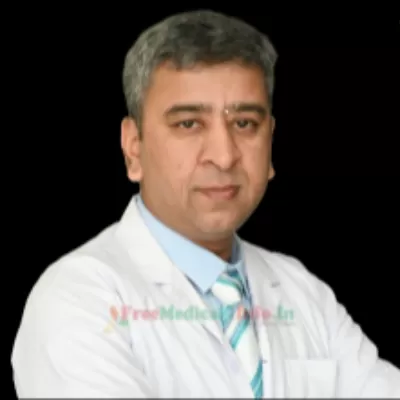
Medical Oncology

Medical Oncology

Medical Oncology

Medical Oncology

Medical Oncology
Book appointments with minimum wait-time & verified Hospital details
Book appointments with minimum wait-time & verified other services
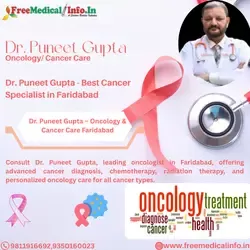
Dr. Puneet Gupta - Best Cancer Specialist in Faridabad
Dr. Puneet Gupta – Oncology & Cancer Care Faridabad Dr. Puneet Gupta is a leading oncologist in Faridabad, specializing in the diagnosis, treat...
Advertisement

|

|

|
|

|

|

|

|

|

|