Medical Services
The Largest online database of patient reviews for doctors, facilities and online Appointment.


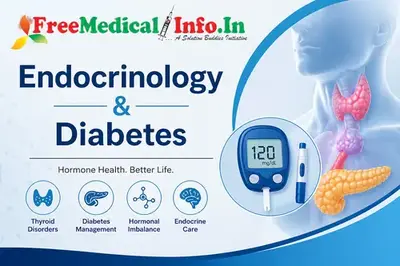
Endocrinology and diabetes are
specialized branches of medicine that deal with hormones, metabolism,
and the glands that regulate essential body functions. Hormones
act as chemical messengers, controlling growth, energy production,
reproduction, mood, and metabolism. When the endocrine system becomes
imbalanced, it can lead to a wide range of disorders that affect overall health
and quality of life.
The endocrine system
includes several important glands such as the thyroid, pancreas,
pituitary, adrenal, parathyroid, and reproductive glands. Each of these
glands produces hormones that help maintain internal balance. Even minor
disruptions in hormone levels can significantly impact the body, causing fatigue,
weight changes, irregular periods, infertility, poor growth, mood disturbances,
and metabolic dysfunction.
Diabetes is
one of the most common endocrine disorders and occurs when the body is unable
to regulate blood sugar levels properly. This may happen because the
pancreas does not produce enough insulin, or the body cannot effectively use
the insulin it makes. The main types include type 1 diabetes, type 2
diabetes, gestational diabetes, and prediabetes. If left untreated,
diabetes can lead to serious complications such as heart disease, kidney
damage, nerve injury, vision loss, and poor wound healing.
Endocrinologists diagnose
and manage a broad range of hormone-related conditions beyond diabetes. These
include thyroid disorders such as hypothyroidism, hyperthyroidism, goiter,
thyroid nodules, and autoimmune thyroid disease. Pituitary
disorders like hyperprolactinemia, growth hormone imbalance, and pituitary
adenomas can affect growth, fertility, and metabolism. Adrenal
conditions such as Cushing’s syndrome, Addison’s disease, and
adrenal tumors may disrupt stress hormones and blood pressure regulation.
Reproductive endocrine
disorders are also common and often affect fertility and hormonal balance.
Conditions such as polycystic ovary syndrome (PCOS), menstrual
irregularities, delayed puberty, low testosterone, and hormonal infertility
require specialized endocrine care. In children and adolescents,
endocrinologists also treat growth disorders, short stature, early
puberty, and developmental hormone imbalances.
Metabolic disorders
closely overlap with endocrinology and include obesity, insulin resistance,
metabolic syndrome, dyslipidemia, and osteoporosis. These conditions are
often linked to hormonal dysfunction and can increase the risk of cardiovascular
disease and long-term systemic complications. Proper hormonal evaluation
helps identify the root cause and supports more effective treatment.
Diagnosis in endocrinology
often involves blood tests, hormone panels, imaging studies, glucose
monitoring, and specialized tests of endocrine function. Treatment may include
lifestyle modification, dietary counseling, hormone replacement therapy,
insulin, oral medications, and long-term metabolic monitoring. Personalized
care is essential because endocrine disorders often require ongoing management
rather than one-time treatment.
Endocrinology and diabetes
care play a crucial role in maintaining hormonal stability, preventing
complications, and improving long-term health outcomes. Early diagnosis,
regular monitoring, and expert treatment can help patients manage symptoms
effectively, restore balance, and lead healthier lives.
Diabetes Mellitus Disorders Type 1 Diabetes Mellitus Type 2 Diabetes Mellitus Gestational Diabetes Prediabetes Insulin Resistance Syndrome Diabetic Ketoacidosis (DKA) Hyperosmolar Hyperglycemic State (HHS) Brittle Diabetes Thyroid Disorders Hypothyroidism Hyperthyroidism Hashimoto’s Thyroiditis Graves’ Disease Thyroid Nodules Goitre Thyroid Cancer Subclinical Hypothyroidism Subclinical Hyperthyroidism Pituitary Gland Disorders Hyperprolactinemia Pituitary Adenoma Acromegaly Gigantism Growth Hormone Deficiency Hypopituitarism Cushing’s Disease Diabetes Insipidus SIADH (Syndrome of Inappropriate ADH) Adrenal Gland Disorders Adrenal Insufficiency (Addison’s Disease) Cushing’s Syndrome Congenital Adrenal Hyperplasia (CAH) Adrenal Tumors Hyperaldosteronism (Conn’s Syndrome) Pheochromocytoma Adrenal Incidentaloma Parathyroid & Calcium Disorders Hyperparathyroidism Hypoparathyroidism Hypercalcemia Hypocalcemia Vitamin D Deficiency Osteomalacia Osteoporosis Rickets Reproductive Endocrine Disorders Polycystic Ovary Syndrome (PCOS) Hypogonadism Erectile Dysfunction (Hormonal) Delayed Puberty Precocious Puberty Menstrual Hormonal Imbalance Infertility due to Hormonal Disorders Metabolic Disorders Obesity Metabolic Bone Disease Dyslipidemia Hypertriglyceridemia Non Alcoholic Fatty Liver Disease (NAFLD) Metabolic Bone Disease Pancreatic Endocrine Disorders Insulinoma Glucagonoma Somatostatinoma Pancreatic Neuroendocrine Tumors (PNETs) Growth & Puberty Disorders Short Stature Tall Stature Delayed Growth Growth Hormone Excess Pubertal Disorders Electrolyte & Hormonal Imbalance Disorders Hypernatremia Hyponatremia Hypokalemia Hyperkalemia Hormonal Imbalance Syndrome Neuroendocrine Disorders Neuroendocrine Tumors (NETs) Multiple Endocrine Neoplasia (MEN Syndrome) Carcinoid Syndrome Autoimmune Endocrine Disorders Autoimmune Thyroid Disease Autoimmune Adrenalitis Polyglandular Autoimmune Syndrome Type 1 Diabetes Mellitus
Book appointments with minimum wait-time & verified doctor details

Endocrinology & Diabetes

Endocrinology & Diabetes

Endocrinology & Diabetes

Endocrinology & Diabetes

Endocrinology & Diabetes

Endocrinology & Diabetes

Endocrinology & Diabetes

Endocrinology & Diabetes
Book appointments with minimum wait-time & verified Hospital details

ROBOMADE TECH HOSPITAL PRIVATE LIMITED
Endocrinology & Diabetes

Endocrinology & Diabetes
Book appointments with minimum wait-time & verified other services

Manage Diabetes Effectively with Expert Medical Advice and Lifestyle Changes
Knowing Diabetes: An All-Around Review Affecting how the body converts food into energy, diabetes is a chronic medical disorder. Our bodies conv...
Advertisement

|

|

|

|

|

|

|

|

|

|