Medical Services
The Largest online database of patient reviews for doctors, facilities and online Appointment.


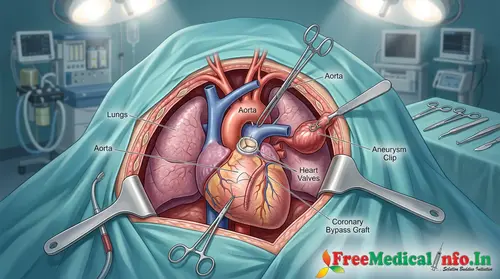
Cardiothoracic and vascularsurgery is a highly specialised area of medicine that deals with
the surgical treatment of diseases that affect the heart, lungs, chest
(thorax), and blood vessels. It is crucial for treating life-threatening
diseases like coronary artery disease, heart valve disorders, lung cancer,
aortic aneurysms, and peripheral vascular diseases.
Cardiothoracic surgery is
mostly about organs in the chest. This includes surgeries for congenital heart
defects, heart valve repair or replacement, and coronary artery bypass
grafting (CABG). These interventions are frequently necessary when
non-surgical treatments, including pharmacological therapies or lifestyle
adjustments, do not yield satisfactory outcomes. Improvements in surgical
methods, like minimally invasive and robotic-assisted surgeries, have greatly
improved patient outcomes, shortened recovery times, and lowered the risk of
complications.
Thoracic surgery is a type
of cardiothoracic surgery that only works on the lungs, oesophagus, and
other structures in the chest that aren't the heart. Lung resections for
cancer, treatment of long-term infections, and resolving structural
problems are all common procedures. Early diagnosis and accurate surgery
have significantly improved survival rates for thoracic conditions,
particularly lung cancer.
Vascular surgery, on the other hand, is the diagnosis and treatment of
diseases that affect blood vessels outside of the heart. These are
arteries, veins, and lymphatic systems. Vascular surgeons often treat
conditions like varicose veins, deep vein thrombosis (DVT), peripheral
artery disease (PAD), and aneurysms. Techniques may include open surgery or
minimally invasive endovascular procedures such as angioplasty and stenting,
which restore normal blood flow with less harm to the body.
One thing that makes this
speciality stand out is its use of cutting-edge diagnostic tools like CT
scans, MRIs, echocardiography, and angiography. Surgeons can use these
technologies to accurately judge how severe a disease is and plan the right
treatments. Additionally, working together with cardiologists, pulmonologists, anaesthesiologists,
and critical care specialists makes sure that patients get all the care
they need.
The length of time it takes
to recover from cardiothoracic and vascular surgery depends on the complexity of the surgery and the patient is overall health. Some
minimally invasive procedures let you go home in a few days, but major
surgeries like open-heart surgery may need you to stay in the hospital
for a longer time and go through rehab. Taking care of yourself after surgery
is all about managing pain, preventing infections, and slowly getting back to
your normal activities.
These surgeries can
save lives, but they also come with some risks, such as bleeding, infection,
blood clots, and problems with anaesthesia. But these risks have decreased significantly thanks to ongoing improvements in surgical techniques, better patient
selection, and better care before and after surgery.
In conclusion, cardiothoracic and vascular surgery is an important part
of modern medicine because it can help with difficult and life-threatening
problems. This field keeps getting better for patients in terms of survival,
quality of life, and long-term health outcomes thanks to new technologies
and more accurate techniques.
Congenital Heart Defects Cardiomyopathy Heart Failure Heart Valve Diseases Coronary Artery Disease (CAD) Cardiac (Heart) Diseases Atrial Septal Defect (ASD) Ventricular Septal Defect (VSD) Aortic Aneurysm Aortic Dissection Pericardial Disease Arrhythmias (Requiring Surgical Intervention) Infective Endocarditis Thoracic (Chest & Lung) Diseases Lung Cancer Pleural Effusion Pneumothorax (Collapsed Lung) Emphysema Chronic Obstructive Pulmonary Disease (COPD) Mediastinal Tumors Esophageal Cancer Achalasia Cardia Chest Wall Tumors Tracheal Stenosis Pulmonary Fibrosis Vascular Diseases Peripheral Artery Disease (PAD) Carotid Artery Disease Deep Vein Thrombosis (DVT) Varicose Veins Aortic Aneurysm Aortic Dissection Chronic Venous Insufficiency Lymphedema Renal Artery Stenosis Mesenteric Ischemia Thoracic Outlet Syndrome Congenital Cardiothoracic Conditions Tetralogy of Fallot Overview Patent Ductus Arteriosus (PDA) Transposition of the Great Arteries Coarctation of the Aorta
Book appointments with minimum wait-time & verified doctor details
Cardiothoracic & Vascular Surgery

Cardiothoracic & Vascular Surgery

Cardiothoracic & Vascular Surgery

Cardiothoracic & Vascular Surgery

Cardiothoracic & Vascular Surgery
Book appointments with minimum wait-time & verified Hospital details

Cardiothoracic & Vascular Surgery

Metro Heart Institute with Multispeciality
Cardiothoracic & Vascular Surgery
Book appointments with minimum wait-time & verified other services

Precision Perfusion: Advancements and Innovations in Cardiac Surgery
The Art and Science of Surgery: Navigating the Intersection of Precision and Compassion. The art and science of surgery. Surgery, widely regarde...
Advertisement

|

|

|

|

|

|

|

|

|

|