Medical Services
The Largest online database of patient reviews for doctors, facilities and online Appointment.


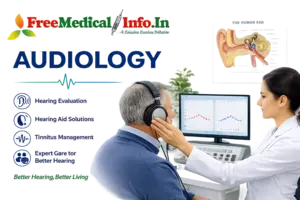
Audiology is a specialized healthcare field dedicated to the diagnosis, evaluation, treatment, and management of hearing, balance, and auditory disorders. Professionals in this field, known as audiologists, help individuals of all ages who experience hearing loss, tinnitus, dizziness, balance difficulties, and communication challenges. Audiology plays an essential role in improving quality of life by restoring communication abilities and supporting overall ear health.
Audiologists use advanced diagnostic techniques to identify the cause and severity of hearing impairment. Common hearing assessments include pure-tone audiometry, speech audiometry, tympanometry, otoacoustic emissions testing, and auditory brainstem response evaluations. These tests help determine whether hearing loss is conductive, sensorineural, or mixed in nature.
One of the most common conditions managed in audiology is sensorineural hearing loss, which often occurs because of damage to the inner ear or auditory nerve. Conductive hearing loss, on the other hand, results from problems in the outer or middle ear, such as infections or fluid buildup. Tinnitus, characterized by ringing or buzzing sounds in the ears, is another frequent complaint addressed through audiological care and sound therapy.
Audiology also focuses on vestibular and balance disorders. Conditions such as vertigo, Ménière’s disease, vestibular neuritis, and benign paroxysmal positional vertigo can significantly affect daily life. Audiologists perform balance assessments and coordinate treatment plans to improve stability, reduce dizziness, and prevent falls.
Pediatric audiology is an important branch that deals with hearing and communication disorders in infants and children. Early hearing detection and intervention are critical for speech, language, and cognitive development. Newborn hearing screenings help identify congenital hearing problems at an early stage, allowing prompt treatment and rehabilitation.
Modern audiology treatments include hearing aids, cochlear implants, assistive listening devices, auditory training, and tinnitus management therapies. Hearing aids are customized to match an individual’s hearing needs and lifestyle. Cochlear implants may benefit patients with severe or profound hearing loss who receive limited benefit from conventional hearing aids.
Preventive audiology is equally important in protecting long-term hearing health. Avoiding prolonged exposure to loud noises, using hearing protection devices, maintaining ear hygiene, and attending regular hearing evaluations can reduce the risk of permanent hearing damage. Occupational hearing conservation programs are especially valuable for workers exposed to industrial noise.
Audiology continues to evolve with technological advancements that improve diagnostic accuracy and treatment outcomes. Digital hearing aids, wireless connectivity, tele-audiology services, and artificial intelligence-based hearing solutions are transforming patient care. Through early diagnosis, personalized treatment, and rehabilitation support, audiology helps individuals maintain effective communication, social interaction, and overall well-being throughout every stage of life.
Balanitis Hearing Loss Disorders Sensorineural Hearing Loss Conductive Hearing Loss Mixed Hearing Loss Sudden Hearing Loss Noise-Induced Hearing Loss Age-Related Hearing Loss (Presbycusis) Congenital Hearing Loss Unilateral Hearing Loss Ear Infections & Inflammatory Disorders Otitis Media Chronic Otitis Media Otitis Externa Mastoiditis Labyrinthitis Vestibular Neuritis Tinnitus & Sound Perception Disorders Tinnitus Pulsatile Tinnitus Hyperacusis Auditory Hallucinations Misophonia Balance & Vestibular Disorders Vertigo Benign Paroxysmal Positional Vertigo (BPPV) Vestibular Migraine Bilateral Vestibular Hypofunction Motion Sensitivity Disorders Meniere’s disease Auditory Nerve & Neurological Disorders Acoustic Neuroma Auditory Neuropathy Spectrum Disorder (ANSD) Central Auditory Processing Disorder (CAPD) Multiple Sclerosis Related Hearing Problems Stroke-Related Auditory Disorders Pediatric Audiology Disorders Delayed Speech Due to Hearing Loss Glue Ear Congenital Deafness Genetic Hearing Disorders Neonatal Hearing Impairment Trauma & Injury Related Disorders Acoustic Trauma Temporal Bone Fracture Barotrauma Ear Drum Perforation Head Injury Related Hearing Loss Genetic & Congenital Ear Disorders Usher Syndrome Waardenburg syndrome Pendred Syndrome Enlarged Vestibular Aqueduct Syndrome (EVAS) Occupational & Environmental Hearing Disorders Industrial Noise-Induced Hearing Loss Ototoxicity Military Hearing Trauma Musician’s Hearing Loss Age-Related Audiology Conditions Presbycusis Age-Related Balance Disorders Cognitive Decline Associated Hearing Loss Cognitive Decline Associated Hearing Loss Audiology Rehabilitation & Communication Disorders Auditory Processing Difficulties Cochlear Implant Related Conditions Hearing Aid Adaptation Problems Speech Perception Disorders Listening Fatigue Disorders
Book appointments with minimum wait-time & verified doctor details
Book appointments with minimum wait-time & verified Hospital details

Audiology

Audiology
Book appointments with minimum wait-time & verified other services

Top 10 Hospitals in Faridabad Discover Quality Healthcare Options
Top-Rated Hospitals in Faridabad for Quality Healthcare Services Introduction: When it comes to healthcare, finding a reliable and reputable hospi...
Advertisement

|

|

|

|

|

|

|

|

|

|
