Medical Services
The Largest online database of patient reviews for doctors, facilities and online Appointment.


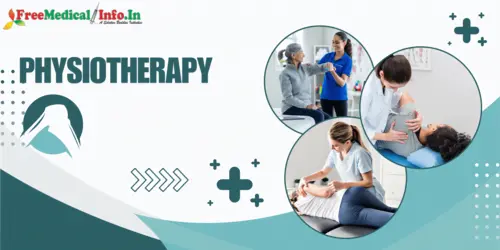
A science-based profession, physiotherapy—also referred to as physical therapy—helps those with injury, disease, or disability improve movement and function. To aid recovery and enhance overall well-being, it combines manual therapy, exercises, instruction, and counsel.
The whole approach to physiotherapy is among its most important benefits. Physiotherapists address general lifestyle, posture, and functional movement in addition to the particular location of pain or dysfunction. From helping athletes improve performance to managing chronic diseases like arthritis to supporting post-surgical recovery, physiotherapy is essential for all ages.
Musculoskeletal, neurological, cardiac, paediatric, geriatric, and sports rehabilitation are just a few of the various major areas into which physiotherapy falls. Practitioners of musculoskeletal physiotherapy treat soft tissue injuries, back pain, post-operative rehabilitation, and joint discomfort. People with disorders including stroke, Parkinson's disease, and spinal cord injuries can find movement and independence with neurological physiotherapy. Among patients recuperating from heart and lung diseases, especially post-COVID rehabilitation, cardiopulmonary treatment helps.
Chronic pain—especially in the back, neck, or shoulders—is one of the most often sought-after reasons people visit physiotherapy. To treat pain and restore function, physiotherapists apply customised exercise programs, electrotherapy, dry needling, and hand techniques. Modern physiotherapy treatment also depends critically on postural correction and ergonomic recommendations, particularly for people in physically demanding or sedentary employment.
Focussing on developmental diseases, genetic illnesses, and congenital anomalies in children, paediatric physiotherapy helps enhance motor skills, balance, and movement patterns. Geriatric physiotherapy similarly addresses age-related problems such as osteoporosis, balance problems, arthritis, and post-hip fracture rehabilitation to increase mobility and quality of life.
The evidence-based approach of physiotherapy is what makes it so very effective. Treatments draw on individualised assessments and scientific studies. To provide complete patient treatment, physiotherapists sometimes work alongside psychologists, occupational therapists, and doctors, among other medical specialists.
Technology further improves physiotherapy results. From TENS equipment and ultrasonic therapy to sophisticated motion-tracking systems and tele-rehabilitation platforms, physiotherapists today use contemporary techniques to provide high-quality treatment even virtually.
Apart from physical rehabilitation, physiotherapy gives patients knowledge and drive to take charge of their health. Emphasising prevention, physiotherapists help patients develop strength, correct posture, and avoid future injuries.
Physiotherapy can significantly help you recover from surgery, handle a sports injury, manage a chronic condition, or just increase your mobility and fitness. Many people not only recover but flourish with regular treatment and professional direction.
Neurological Condition Stroke (CVA) Parkinson’s Disease Multiple Sclerosis (MS) Cerebral palsy (CP) Spinal cord injury (SCI) Guillain-Barré Syndrome Traumatic Brain Injury (TBI) Bell’s Palsy Peripheral Neuropathy Ataxia Musculoskeletal Condition Osteoarthritis (OA) Rheumatoid arthritis (RA) Low Back Pain - Sciatica Cervical Spondylosis Frozen shoulder (Adhesive capsulitis) Tennis elbow (Lateral epicondylitis) Tennis elbow (Lateral epicondylitis) Tennis elbow (Lateral epicondylitis) Carpal tunnel syndrome ACL Tear Reconstruction Rehab Rotator cuff injury Scoliosis Fibromyalgia Fractures and post-operative rehab Understanding Cardiopulmonary Conditions Chronic Obstructive Pulmonary Disease (COPD) Asthma (Pulmonary rehab) Cystic Fibrosis Post-cardiac surgery (CABG, valve replacement) Myocardial infarction (Heart attack) Congestive heart failure (CHF) Bronchiectasis Pneumonia (esp. in elderly) Post-COVID rehabilitation Orthopedic / Post-Surgical Total Knee Replacement (TKR) Total Hip Replacement (THR) Meniscectomy rehab Spine surgery recovery Shoulder dislocation rehab Amputee Rehabilitation Joint mobilization / manipulation needs Women’s Health / Obstetrics Antenatal and postnatal Pelvic floor dysfunction Urinary Incontinence Diastasis Reaction Post-C-section recovery PCOS-Related Metabolic Rehab Pediatric Physiotherapy Condition Developmental delay Down syndrome Muscular dystrophy Clubfoot (Talipes equinovarus) Torticollis Spina bifida Juvenile idiopathic arthritis Balance disorders / Fall prevention Balance disorders / Fall prevention Osteoporosis Age-related deconditioning Parkinsonism Post-hip fracture rehab Dementia-Related Mobility Training Burn and ICU Rehab Contracture Management Bed sore prevention Chest Physiotherapy Early mobility training Rehabilitation & Pain Management Chronic pain syndromes Postural dysfunction Myofascial pain syndrome Ergonomics and workstation-related issues Rehabilitation after prolonged immobilization
Book appointments with minimum wait-time & verified doctor details

Physiotherapy

Physiotherapy

Physiotherapy

Physiotherapy

Physiotherapy

Physiotherapy

Physiotherapy

Physiotherapy
Book appointments with minimum wait-time & verified Hospital details

Dr. Suraj Prakash Arogya Kendra
Physiotherapy

Sarvodaya Hospital and Research Centre
Physiotherapy

Physiotherapy

Physiotherapy

Physiotherapy

Physiotherapy

Physiotherapy

Physiotherapy
Book appointments with minimum wait-time & verified other services

Physiotherapy

Physiotherapy

Get 20 Percent Discount On Consultation Fee With Dr. Soniya Soni Using Freemedicalinfo.in
Offered By :Dr Soniya Soni Offered By :Dr. Yogesh Parashar

Get 100 Rs Discount Consultation Fees With Shatayu Multispeciality Clinic Using Freemedicalinfo.in
Offered By :Shatayu Multispeciality Clinic Offered By :Dr Stuti Sunil Dhingra

Get 10 Percent Flat OFF With Dr. Nitin Upadhyay Using Freemedicalinfo.in
Offered By :Dr Nitin Upadhyay
Get 50 Percent Off on Consultation With Dr. Dharmender Bansal Using Freemedicalinfo.in
Offered By :Dr Dharmender Bansal
Get 100 Percent Consultation Free With Dr. Ajit Kaushik Using Freemedicalinfo.in
Offered By :Dr Ajit Kaushik
Get 20 Percent Discount on physiotherapy Sessions Dr. Ruchika Using Freemedicalinfo.in
Offered By :Dr Ruchika
Top 10 Physiotherapy Doctors in Faridabad for Expert Care
Physiotherapy: Restore Health and Mobility Physiotherapy is a healthcare field that focuses on improving physical function, alleviating pain, and inc...
Advertisement

|

|

|

|

|
|

|

|

|

|