Medical Services
The Largest online database of patient reviews for doctors, facilities and online Appointment.


Using the toothbrush is one of the most traditional ways to clean your teeth. Though nowadays many liquid wash or medicated mouth washes are available in the market, still most of the population across the world is using a toothbrush to clean their teeth.
However, most people keep using the same toothbrush for many days or months. They don't know when to change their toothbrush, or even many of them don't even think about replacing it with a new one, unless the bristles of the older one are completely worn out.
But here we need to understand that we should not use the same toothbrush for longer than a few days and replace it from time to time. So, right here we will discuss about how often you replace your toothbrush, why it is important and how to learn to change your toothbrush.
How Long Should you use the Same Toothbrush?
Usually when after every three or four months, you should change your toothbrush. However, if you are brushing two times a day and don't remember when you started using this toothbrush, you can check if it becomes frayed, discoloured or splayed; you need to replace it with a new one.
However, some people brush very softly or use the hard-bristle toothbrush that is not splayed or frayed, so they keep using it for longer days. So, the question right here is, how can we get to know when to change the toothbrush at the right time?
How to Know When to Change a Toothbrush?
Remembering how many months you have been using your toothbrush is one of the best ways to change it in a timely manner. However, if you don't have such a strong memory or don't care about keeping in mind the dates of such things, you can use various other indications to replace your toothbrush.
Condition of Bristles: When the bristles of your toothbrush bend or get tangled, it's time to buy a new one. Such old, frayed toothbrushes are not able to clean between your teeth properly or can damage your gums, tooth enamel, or soft tissues in your mouth.
After The Illness: Whenever you get ill or recover after any sickness, you need to change your toothbrush immediately, as it can contain the bacteria or germs responsible for making you ill. Usually, after a common cold, a fever or after any mouth-related allergy, you need to change your toothbrush.
Becomes Infected: if your toothbrush is infected by falling into dirt or an unclean surface, or any insect that moves over it, you need to replace it with a new one. As it can cause you infections or illness in your mouth.
After Oral Treatment: If you gone through any oral treatment line dental procedure, dental treatment, gums or oral treatment, then you need to change your toothbrush.
Why is it Important to Change Your Toothbrush?
When you use the same toothbrush for more than 3 to 4 months, it becomes ineffective in cleaning your teeth properly or removing plaque. The bristles of a long-used toothbrush wear off or bend, which cannot clean your teeth properly, exposing them to bacterial attacks.
And when your teeth are not properly cleaned, there is a higher risk of cavities, plaque, gum diseases or other dental problems. And using the old toothbrush also has the chance of mould, harbouring bacteria and fungi, which can cause infections. On the other hand, using the new toothbrush ensures deep cleaning, preventing your teeth from gum buildup for a healthier mouth.
Why Change Toothbrush Every 3 Months?
Changing the toothbrush every 3 or 4 months ensures the effectiveness of the bristles. An old or used toothbrush becomes ineffective in cleaning the food particles stuck between the teeth or
You should change your toothbrush every 3-4 months, or sooner if bristles fray, because worn bristles are less effective at cleaning, lose their shape, and can harbour bacteria, fungi, and viruses, increasing your risk for oral infections and gum damage. After illnesses like the flu or strep throat, it's important to replace it to prevent reintroducing germs.
Why change a toothbrush after being sick?
When you get ill, especially due to a cold, flu, strep throat, mouth infection or COVID-19-like diseases, you need to replace your toothbrush after recovering from such sickness. The bacteria, virus or reintroducing germs on the bristle of your toothbrush can live after such prolonged illness.
While recovering from such diseases, your immunity, which helps you to recover, can be affected by using the same toothbrush. And most importantly, when you use such an infected toothbrush, the bacteria or germs can spread to other toothbrushes of your family members.
What Happens if You Use the Same Toothbrush for Too Long?
When you keep using the same toothbrush for longer periods, it becomes ineffective in cleaning your teeth. And this can cause plaque build-up on your teeth, resulting in tooth decay and cavities. And improper cleaning of teeth becomes the breeding ground for the bacteria, fungi, and mould that increase the chances of reinfection, bad breath, gum diseases and illness.
As we said, an old toothbrush bristle becomes bent or frayed, so people put extra pressure while brushing their teeth, which can damage the tooth enamel or cause injury to the gums. On the other hand, using the new toothbrush will enable you to clean your teeth properly, preventing them from bacteria and germs.
Summing-up
Changing the toothbrush every 3 to 4 months is very important to clean your teeth properly. The bristles of an old toothbrush are worn off and cannot clean the teeth properly. And this will attract bacteria and germs in your mouth, causing plaque, cavities, and tooth decay and gum diseases.
And not only after 3 or 4 months, if you get ill and recover from any disease, but you should replace your toothbrush to avoid reintroduction of such bacteria or gum disease. And it will prevent the spreading of bacteria or germs to other toothbrushes of your family members.
So, always keep in mind to replace your toothbrush after every 3 to 4 months to avoid oral diseases and stay healthy. And you should keep regularly visiting your nearest best dentist in Greater Noida to get a routine check-up of your mouth or get the dental treatment timely.

Blood tests are commonly used to understand different aspects of a person's health. Doctors may recommend them to investigate symptoms, monitor existi... ( Read More )
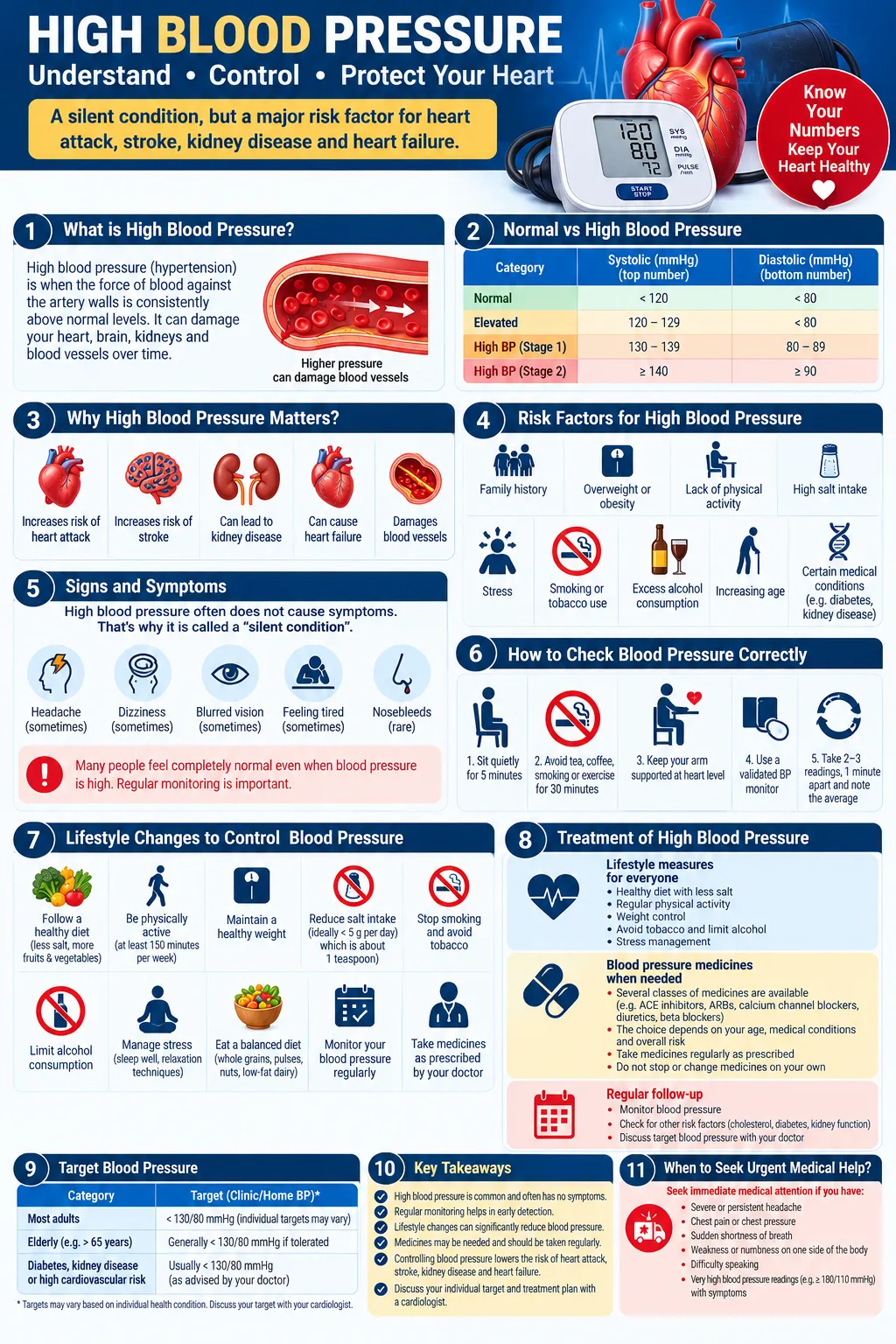
High Blood Pressure: Symptoms, Causes, Treatment and PreventionHigh blood pressure, also known as hypertension, is one of the most common cardiovascul... ( Read More )
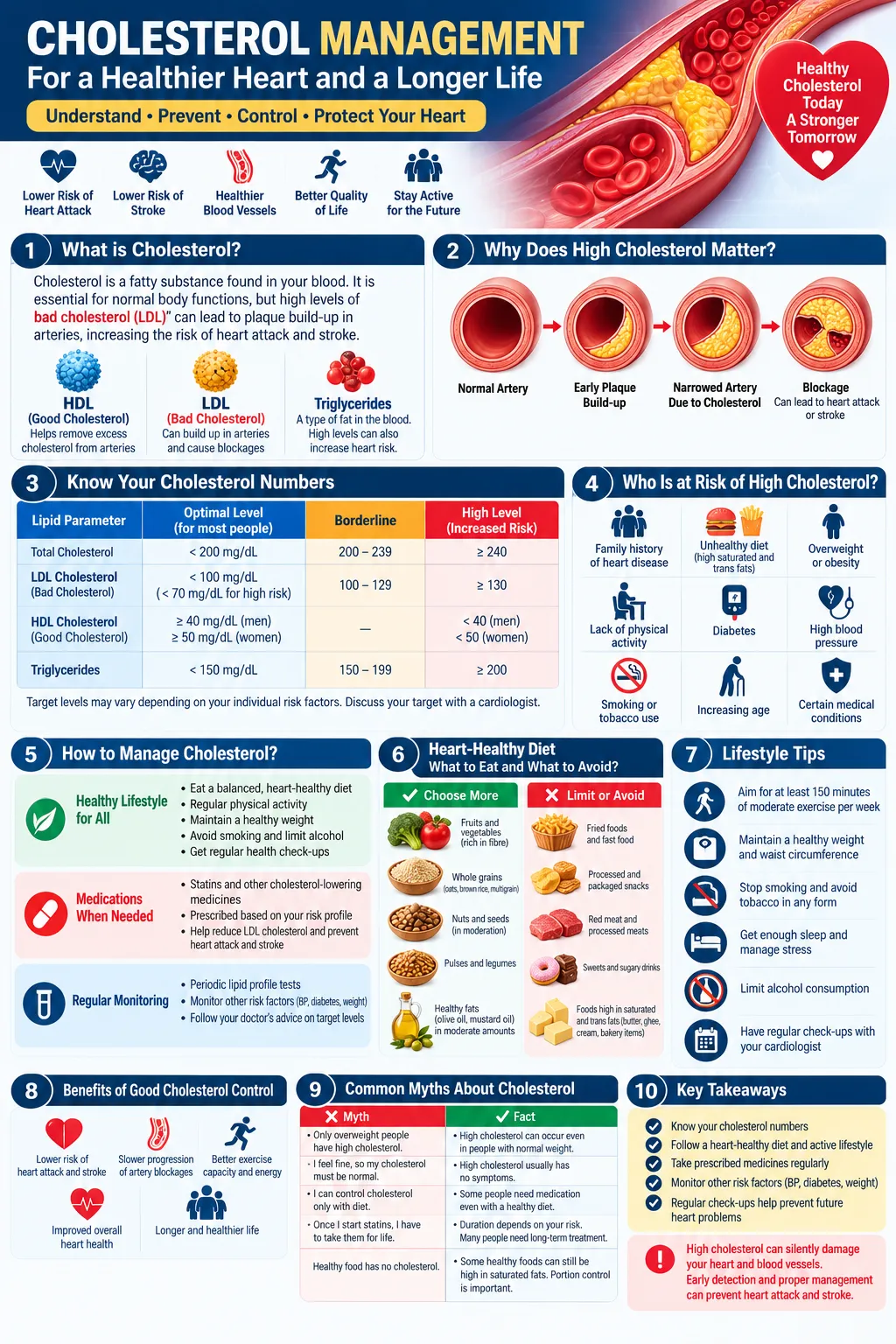
Cholesterol Management: A Cardiologist’s Guide to Healthy Cholesterol LevelsHigh cholesterol is a common health concern that can increase the risk o... ( Read More )
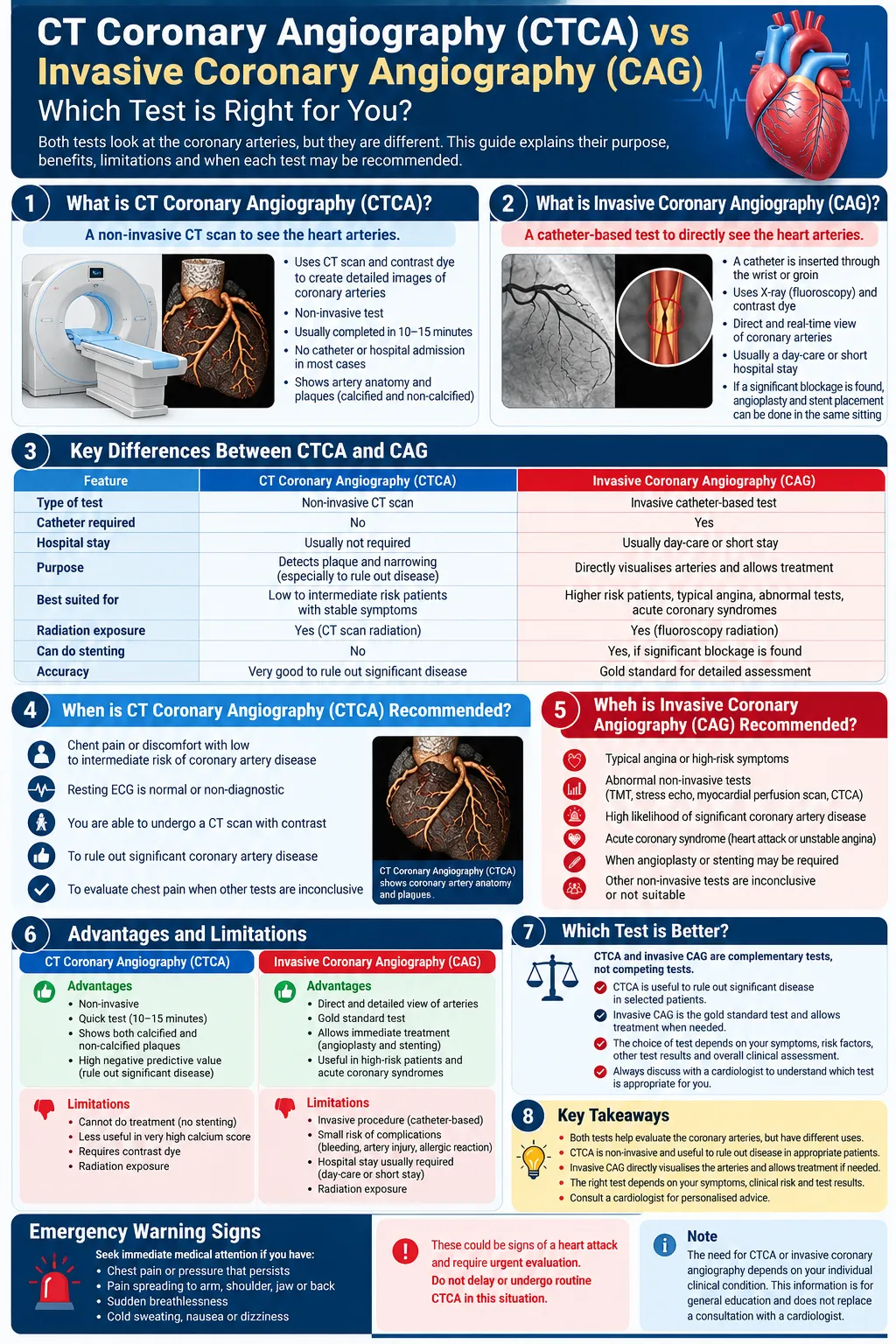
CT Coronary Angiography vs Invasive Coronary Angiography: Which Test Is Right for You?When evaluating possible coronary artery disease, two commonly d... ( Read More )