Medical Services
The Largest online database of patient reviews for doctors, facilities and online Appointment.


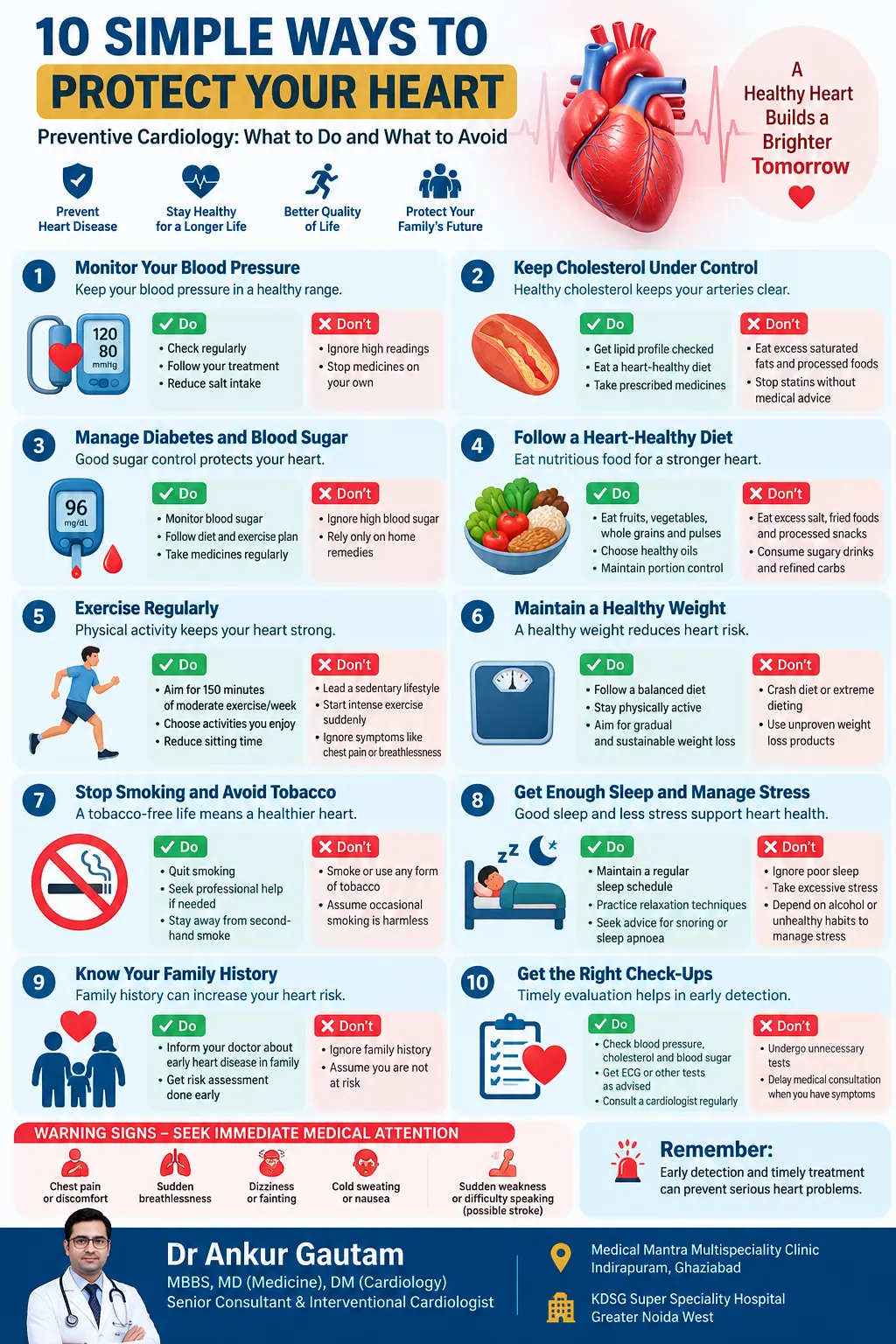
Heart disease is one of the leading causes of illness and premature death worldwide. Many cardiovascular problems develop gradually, sometimes without noticeable symptoms until a serious event such as a heart attack or stroke occurs. The good news is that several important risk factors can be identified early and managed through healthy lifestyle choices, regular medical assessment and appropriate treatment.
Preventive cardiology focuses on reducing the risk of heart disease before it develops or progresses. It includes monitoring blood pressure, cholesterol and blood sugar, improving dietary habits, maintaining a healthy weight, staying physically active and identifying people who may be at increased cardiovascular risk.
For individuals and families living in Indirapuram, Ghaziabad, understanding these preventive measures can be an important step towards long-term heart health.
Dr Ankur Gautam, DM (Cardiology), provides cardiovascular consultation and guidance on heart disease prevention, risk-factor management and the early evaluation of cardiac symptoms.
Preventive cardiology is the branch of cardiology focused on preventing cardiovascular disease and reducing the risk of future cardiac events.
It involves identifying risk factors such as high blood pressure, high cholesterol, diabetes, obesity, smoking, physical inactivity and a family history of premature heart disease.
Preventive cardiology is useful for people who have never experienced a heart problem as well as those who already have coronary artery disease, have undergone angioplasty or have other cardiovascular conditions.
There are two broad aspects of prevention:
Primary prevention: Reducing the likelihood of a first heart attack, stroke or other cardiovascular event.
Secondary prevention: Preventing further cardiovascular events in people who already have established heart disease.
The right preventive strategy depends on an individual's age, medical history, risk factors and overall cardiovascular health.
Heart disease does not always produce early warning signs. A person may feel completely healthy despite having high blood pressure, abnormal cholesterol levels or diabetes.
Some people develop coronary artery disease at a relatively young age, particularly when several risk factors occur together. A family history of premature heart disease, smoking, uncontrolled diabetes and elevated LDL cholesterol can increase cardiovascular risk.
Preventive care helps identify these problems early, allowing patients and doctors to make informed decisions about lifestyle changes, investigations and treatment.
Early assessment is particularly important for people with:
High blood pressure or high cholesterol
Diabetes or prediabetes
Excess weight or abdominal obesity
A history of smoking or tobacco use
A family history of premature heart disease
A sedentary lifestyle
Previous heart attack, angioplasty or other cardiovascular disease
Having one or more risk factors does not mean that a heart attack is inevitable. It means that your cardiovascular risk deserves appropriate assessment and management.
High blood pressure is a major risk factor for heart attack, stroke, heart failure and kidney disease. It often causes no obvious symptoms, which is why regular measurement is important.
What you should do:
Check your blood pressure periodically, especially if you have diabetes, kidney disease or a previous high reading.
Use a validated monitor and follow the correct measurement technique.
Take prescribed blood pressure medicines regularly.
Maintain a healthy weight, exercise and reduce excess salt intake.
Discuss repeatedly high or unusually low readings with your doctor.
What you should avoid:
Ignoring consistently elevated readings because you feel well.
Stopping blood pressure medicines when your readings improve without medical advice.
Changing medication doses on your own.
Your target blood pressure should be individualised according to your health and medical history.
High LDL cholesterol can contribute to plaque formation in the coronary arteries. Over time, this plaque can narrow the arteries or trigger a heart attack.
What you should do:
Get a lipid profile when recommended by your doctor.
Reduce foods high in saturated and trans fats.
Eat more vegetables, fruits, whole grains, legumes, nuts and other fibre-rich foods.
Discuss your overall cardiovascular risk and whether cholesterol-lowering medication is needed.
What you should avoid:
Assuming that normal body weight means your cholesterol must be normal.
Relying only on diet when medication is indicated.
Stopping prescribed statins without discussing the reason with your doctor.
Your LDL cholesterol target depends on your cardiovascular risk. People with established coronary artery disease generally require more intensive cholesterol management.
Diabetes increases the risk of coronary artery disease, stroke, kidney disease and other cardiovascular complications.
What you should do:
Check blood glucose and HbA1c as advised.
Follow an appropriate dietary and physical activity plan.
Take prescribed diabetes medicines consistently.
Discuss cardiovascular and kidney-protective treatment options with your doctor when appropriate.
What you should avoid:
Ignoring elevated blood sugar because you have no symptoms.
Depending exclusively on home remedies or supplements.
Changing diabetes treatment without medical guidance.
Good diabetes management should include attention to blood pressure, cholesterol, weight and kidney health—not just blood sugar.
A balanced diet can help improve blood pressure, cholesterol, blood sugar and weight.
A heart-healthy eating pattern can include:
Fresh vegetables and seasonal fruits
Whole grains and a variety of pulses
Beans, lentils and other plant-based protein sources
Unsalted nuts and seeds in appropriate portions
Lower-fat dairy products, if suitable for you
Healthy cooking oils in moderate quantities
What you should limit or avoid:
Excess salt and highly salted packaged foods
Deep-fried foods and foods rich in trans fats
Frequent consumption of ultra-processed snacks
Excess sweets, sugary drinks and refined carbohydrates
Excessive portions that contribute to weight gain
Vegetarian diets can support heart health when they are balanced and not dominated by refined carbohydrates, fried snacks or excess saturated fat.
Physical activity helps improve cardiovascular fitness, blood pressure, insulin sensitivity, weight management and overall well-being.
For most adults, a useful goal is at least 150 minutes of moderate-intensity aerobic activity each week, with muscle-strengthening activity on two or more days, as appropriate.
Examples include brisk walking, cycling, swimming and other activities suited to your fitness level.
What you should do:
Start gradually if you have been inactive.
Reduce prolonged sitting and move regularly throughout the day.
Choose activities you can maintain consistently.
Ask your doctor about a safe exercise plan if you have known heart disease or significant symptoms.
What you should avoid:
Suddenly beginning intense exercise without preparation.
Ignoring chest discomfort, unusual breathlessness, dizziness or fainting during activity.
Exercising through symptoms that could indicate a heart problem.
People with known cardiovascular disease may require an individualised exercise plan.
Excess weight, particularly around the abdomen, is associated with high blood pressure, diabetes, abnormal cholesterol and sleep apnoea.
A sustainable approach is usually more effective than crash dieting.
Focus on balanced meals, suitable portions, regular physical activity, adequate sleep and gradual weight management. Waist circumference and other metabolic risk factors can also help assess risk beyond body weight alone.
Avoid unproven weight-loss products and extreme diets that may cause nutritional deficiencies or other health problems.
Smoking damages blood vessels, promotes atherosclerosis and increases the risk of heart attack and stroke. Tobacco exposure can be harmful even in people who otherwise have a healthy lifestyle.
Stopping smoking provides cardiovascular benefits, and the benefits begin after cessation.
Avoid cigarettes, bidis, smokeless tobacco and exposure to second-hand smoke. Seek professional help if you need support to quit.
Poor sleep, chronic stress and certain sleep disorders can affect blood pressure, metabolic health and cardiovascular well-being.
Try to maintain a regular sleep schedule, get adequate sleep, remain physically active and use healthy stress-management strategies such as relaxation exercises or mindfulness.
Persistent loud snoring, choking during sleep or excessive daytime sleepiness may warrant assessment for obstructive sleep apnoea.
Stress management is helpful, but it should not replace medical treatment for high blood pressure, diabetes or other cardiovascular risk factors.
A family history of premature coronary artery disease can increase your cardiovascular risk. Risk assessment is particularly important when close relatives experienced heart disease at a young age.
Tell your doctor if a parent or sibling had an early heart attack or other significant cardiovascular disease. Depending on your history, your doctor may recommend earlier screening or additional tests, such as lipoprotein(a) measurement.
A family history does not mean that heart disease cannot be prevented. It means that risk factors may need to be assessed more carefully.
Not everyone needs every cardiac investigation. Tests should be selected according to symptoms, age, medical history and estimated cardiovascular risk.
Depending on your situation, an assessment may include:
Blood pressure measurement
Lipid profile
Blood glucose or HbA1c
Kidney function tests when indicated
ECG when clinically appropriate
Echocardiography when there is a relevant clinical indication
Other investigations based on symptoms and risk assessment
A treadmill test, CT coronary angiography or other cardiac investigation may be useful in selected circumstances, but these tests are not necessary for every healthy, symptom-free person.
The goal is appropriate screening—not unnecessary testing. Your doctor can help determine which investigations are likely to provide meaningful information.
Preventive care is important, but recognising an emergency is equally essential.
Seek immediate medical attention if you experience:
Chest pressure, tightness or discomfort, particularly if it persists or recurs
Pain spreading to the arm, shoulder, jaw, back or upper abdomen
Sudden or unusual breathlessness
Cold sweating, nausea or light-headedness associated with chest discomfort
Sudden facial weakness, arm weakness, difficulty speaking or other possible stroke symptoms
Heart attacks can sometimes present without severe chest pain, particularly in older adults and people with diabetes.
Do not delay emergency assessment to see whether symptoms settle or attempt to arrange a routine consultation first. If a heart attack is suspected, call your local emergency service.
Preventive cardiology remains essential after a heart attack, coronary angioplasty or stent placement. A successful procedure treats a specific coronary problem, but it does not eliminate the underlying tendency to develop atherosclerosis.
Long-term care may include:
Taking prescribed antiplatelet and other cardiac medicines as directed
Maintaining appropriate LDL cholesterol levels
Controlling blood pressure and diabetes
Stopping smoking and avoiding tobacco
Following a suitable exercise and rehabilitation programme
Attending regular medical follow-up
Never stop antiplatelet medication after stent placement without advice from your treating cardiologist, as doing so can increase the risk of serious complications.
People looking for a cardiologist in Indirapuram, Ghaziabad, can consider a preventive cardiovascular assessment if they have high blood pressure, high cholesterol, diabetes, a family history of heart disease or concerns about their heart health.
Dr Ankur Gautam, DM (Cardiology), is a Senior Consultant and Interventional Cardiologist with experience in cardiovascular evaluation and the management of coronary artery disease and other heart conditions.
At Medical Mantra Multispeciality Clinic, Indirapuram, the focus is on understanding individual health concerns, assessing cardiovascular risk, explaining appropriate investigations and guiding patients on lifestyle measures and treatment options.
Patients who require specialised interventional cardiology care can also access Dr Gautam at KDSG Super Speciality Hospital, Greater Noida West.
A consultation can help you understand your risk factors and decide on appropriate next steps. The need for tests or medication depends on your individual clinical assessment.
Heart-healthy habits should begin early in life. Blood pressure, cholesterol, diabetes risk and other cardiovascular factors should be assessed according to age, medical history and individual risk. People with strong family histories or existing risk factors may need earlier evaluation.
Yes. Young age and physical fitness do not completely eliminate cardiovascular risk. Genetic factors, high LDL cholesterol, smoking, diabetes and other conditions can contribute to early heart disease.
The frequency depends on your age, previous results, medical conditions, family history and treatment. People taking cholesterol-lowering medication or those at higher cardiovascular risk may need more frequent monitoring.
No. An ECG provides useful information about the heart's electrical activity, but a normal ECG does not rule out coronary artery disease. The appropriate evaluation depends on symptoms and clinical risk.
Not everyone needs extensive cardiac testing. However, periodic assessment of blood pressure, cholesterol, diabetes risk and other relevant factors can identify problems before symptoms develop. A doctor can help decide whether additional tests are appropriate.
A qualified cardiologist can assess cardiovascular risk, guide lifestyle changes and recommend appropriate investigations or treatment. If you have risk factors such as high blood pressure, diabetes, high cholesterol or a family history of premature heart disease, consider discussing them with a cardiologist.
Preventing heart disease is not about following one special diet or undergoing every available cardiac test. It is about consistently managing risk factors, staying active, eating well, avoiding tobacco, taking prescribed medication and seeking medical advice when needed.
Small, sustainable changes can make a meaningful difference to long-term cardiovascular health. If you live in Indirapuram, Ghaziabad, and have concerns about your heart health, a personalised cardiovascular risk assessment can help you make informed decisions about prevention.
Author: Dr Ankur Gautam, MBBS, MD (Medicine), DM (Cardiology)
Senior Consultant & Interventional Cardiologist
Medical Mantra Multispeciality Clinic, Indirapuram, Ghaziabad
Senior Consultant & Head of Department – Interventional Cardiology, KDSG Super Speciality Hospital, Greater Noida West
Medical disclaimer: This article is intended for general educational purposes and does not replace individual medical consultation, diagnosis or treatment. Recommendations may vary according to your health status and medical history.

Blood tests are commonly used to understand different aspects of a person's health. Doctors may recommend them to investigate symptoms, monitor existi... ( Read More )
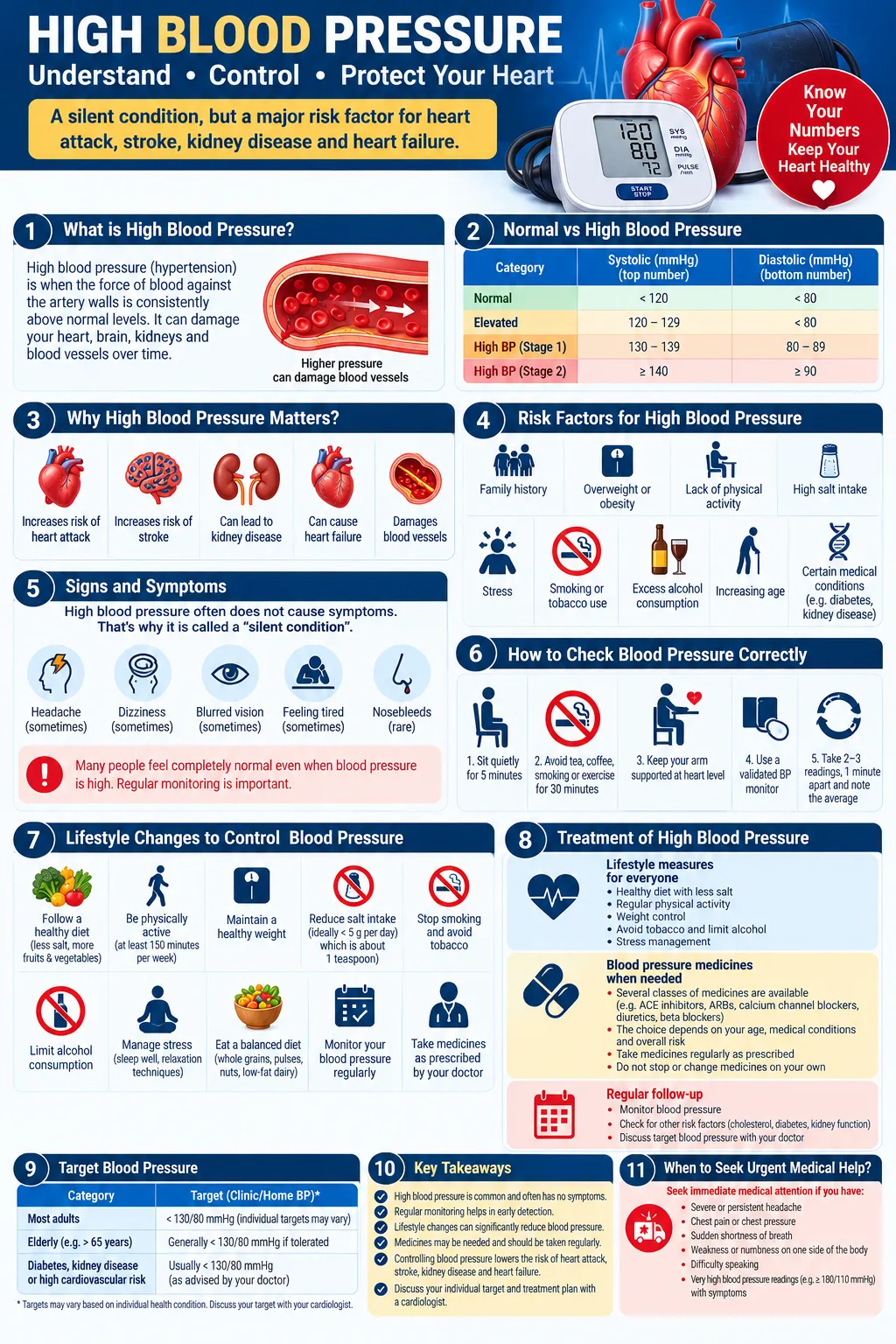
High Blood Pressure: Symptoms, Causes, Treatment and PreventionHigh blood pressure, also known as hypertension, is one of the most common cardiovascul... ( Read More )
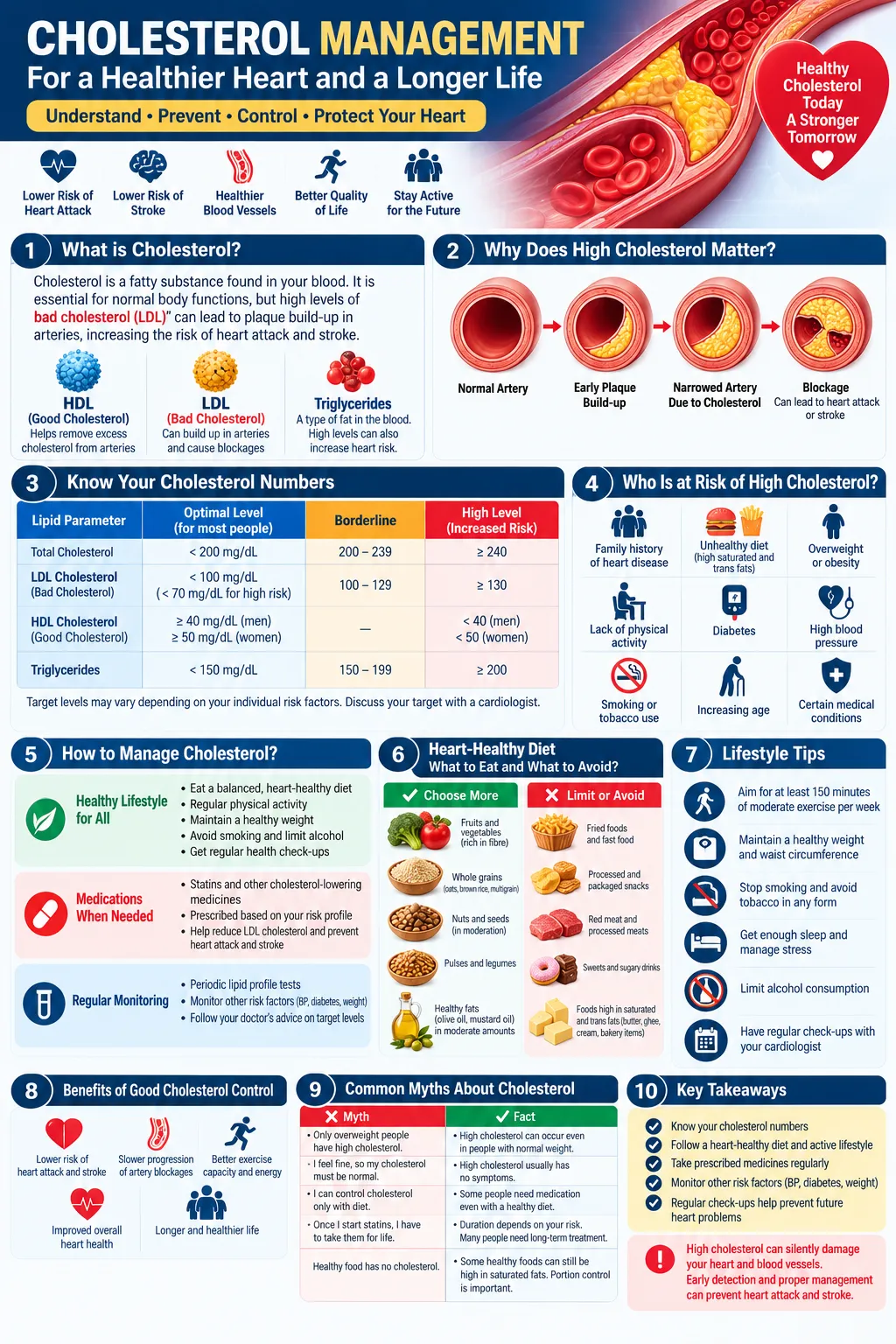
Cholesterol Management: A Cardiologist’s Guide to Healthy Cholesterol LevelsHigh cholesterol is a common health concern that can increase the risk o... ( Read More )
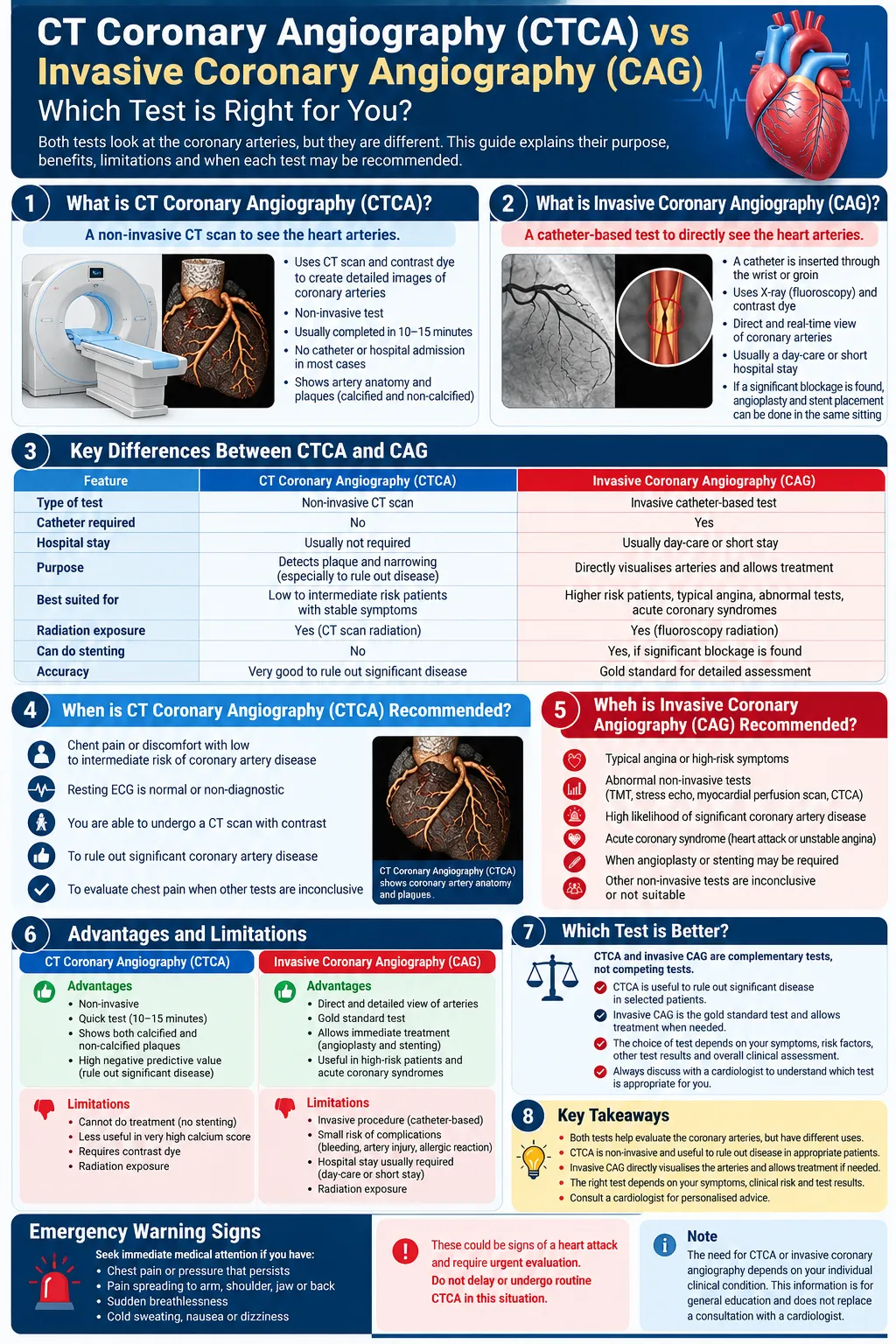
CT Coronary Angiography vs Invasive Coronary Angiography: Which Test Is Right for You?When evaluating possible coronary artery disease, two commonly d... ( Read More )