Medical Services
The Largest online database of patient reviews for doctors, facilities and online Appointment.


Blood tests are commonly used to understand different aspects of a person's health. Doctors may recommend them to investigate symptoms, monitor existing health conditions or assess general health. Knowing what common blood tests measure can help patients understand why a particular investigation has been suggested.
If you are searching for a Blood Test Centre in Vijayawada, learning about the available tests and their purposes is a useful first step. The right test depends on your symptoms, medical history and your healthcare professional's advice.
Blood tests are laboratory investigations that analyse a blood sample to measure specific substances, blood cells or other indicators. The results can provide information that helps healthcare professionals assess health conditions and decide whether further evaluation is needed.
A blood test does not always provide a diagnosis on its own. Results are interpreted alongside symptoms, medical history, physical examination and other relevant findings.
A Complete Blood Count, commonly called CBC, measures different components of the blood, including red blood cells, white blood cells, haemoglobin and platelets.
Doctors may recommend this test when evaluating symptoms such as persistent tiredness or weakness, or when investigating certain infections and blood-related conditions.
The results can help identify abnormalities that may require further assessment. A CBC alone does not establish the cause of every abnormal result.
Blood glucose tests measure the amount of glucose, or sugar, in the blood. They may be used to screen for, assess or monitor diabetes, depending on the type of test and the person's circumstances.
Common examples include fasting blood glucose and random blood glucose tests. HbA1c is another test that estimates average blood glucose levels over approximately two to three months.
Not every glucose test requires fasting. Follow the specific preparation instructions provided by your healthcare professional or laboratory.
A lipid profile measures different types of fats in the blood, commonly including total cholesterol, LDL cholesterol, HDL cholesterol and triglycerides.
Doctors may recommend this test to assess cholesterol levels and help evaluate cardiovascular risk alongside other health factors.
Whether fasting is necessary depends on the clinical situation and the instructions provided for the test. Ask the laboratory or your doctor before your appointment.
Thyroid function tests help assess how the thyroid gland is working. Depending on the clinical question, testing may include thyroid-stimulating hormone (TSH) and thyroid hormones such as T4.
A doctor may recommend thyroid testing when evaluating symptoms or monitoring a previously identified thyroid condition.
Test selection and interpretation depend on the person's symptoms, medical history, medicines and other relevant factors.
Liver function testing may include measurements of enzymes, proteins and substances such as bilirubin to help assess liver health.
These tests may be recommended when a doctor needs to investigate certain symptoms, monitor a known condition or assess the effects of particular medicines.
A result outside the reference range does not automatically mean that a person has liver disease. Further evaluation may be needed to understand the cause.
Kidney-related blood tests may include measurements such as creatinine and estimated glomerular filtration rate (eGFR). These help healthcare professionals assess how well the kidneys are filtering waste from the blood.
Depending on the situation, a doctor may also recommend urine tests and other investigations to obtain a more complete picture of kidney health.
The appropriate tests depend on individual health needs and medical advice.
Preparation varies according to the test being performed. Before your appointment, consider these steps:
Confirm whether fasting is required: Some tests require fasting, while others do not.
Ask about medicines: Do not stop or change prescribed medicines without medical advice.
Follow sample collection instructions: The laboratory may provide specific instructions for your test.
Share relevant information: Tell your healthcare professional about medicines or other factors they ask you to disclose.
Ask about report timing: Different investigations may have different reporting timelines.
Following the correct preparation instructions helps ensure that the sample is collected under the conditions required for the test.
When looking for a Blood Test Centre in Vijayawada, consider the following:
Whether the required test is available.
Whether clear preparation instructions are provided.
Whether the centre explains its sample collection process.
How reports are delivered and when they are expected.
Whether home sample collection is available for eligible tests in your area.
Whether the laboratory can answer questions about test requirements and reporting.
If you are looking for a Diagnostic Centre in Vijayawada, check the available services and confirm that the centre can perform the investigation recommended by your healthcare professional.
Negen Diagnostics is a diagnostic centre and referral laboratory in Vijayawada offering diagnostic services across areas including pathology, biochemistry, microbiology, molecular diagnostics, genetics and genomics, and radiology.
People looking for blood testing and other diagnostic services can contact Negen Diagnostics to enquire about test availability, preparation requirements, sample collection and reporting arrangements. Home sample collection may be available for eligible tests; confirm the service area and appointment details directly.
Visit the official website to learn more: https://negendiagnostics.com/
Common blood tests include CBC, blood glucose, lipid profile, thyroid function tests and selected liver or kidney investigations. The tests recommended depend on a person's symptoms, medical history and healthcare needs.
No. Some blood tests may require fasting, while others do not. Follow the instructions given for the specific test rather than assuming that fasting is always necessary.
Reporting times vary according to the investigation, laboratory process and whether specialised analysis is needed. Ask the diagnostic centre for the expected reporting time when booking.
Some tests can provide important diagnostic information, but many results need to be interpreted alongside symptoms, medical history and other clinical findings. A healthcare professional can explain what your results mean.
You can explore diagnostic centres in Vijayawada and compare their available tests, sample collection options and reporting arrangements. Negen Diagnostics offers a range of diagnostic services; contact the centre to confirm availability for your required test.
Blood tests can help healthcare professionals assess health indicators, investigate symptoms and monitor certain conditions. Understanding the purpose of a test and following its preparation instructions can help you feel more informed before your appointment.
If you are looking for a Blood Test Centre in Vijayawada, Negen Diagnostics provides a range of diagnostic services to explore. Contact the centre to confirm the availability of the required investigation and consult your healthcare professional about which tests are appropriate for you.

Blood tests are commonly used to understand different aspects of a person's health. Doctors may recommend them to investigate symptoms, monitor existi... ( Read More )
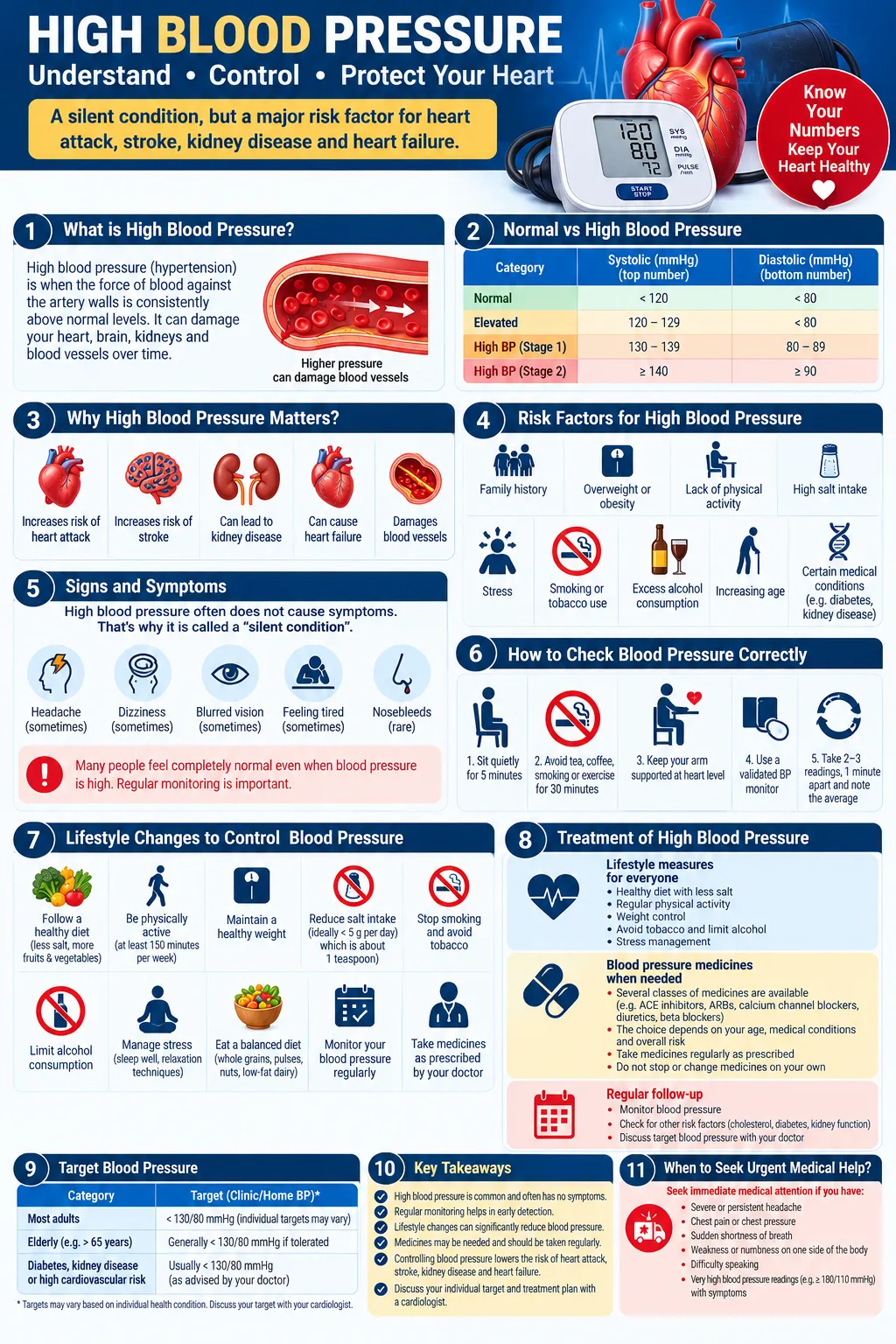
High Blood Pressure: Symptoms, Causes, Treatment and PreventionHigh blood pressure, also known as hypertension, is one of the most common cardiovascul... ( Read More )
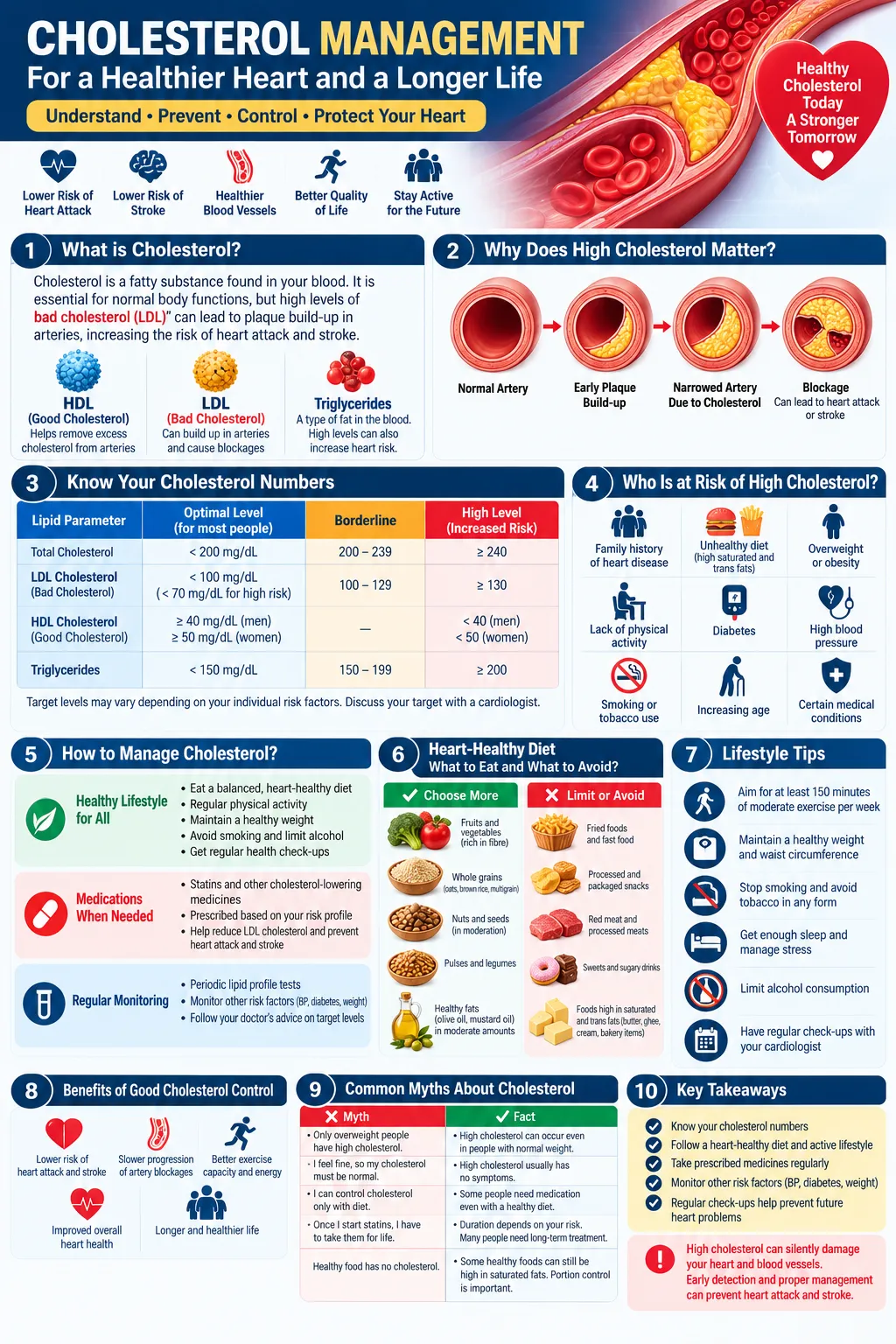
Cholesterol Management: A Cardiologist’s Guide to Healthy Cholesterol LevelsHigh cholesterol is a common health concern that can increase the risk o... ( Read More )
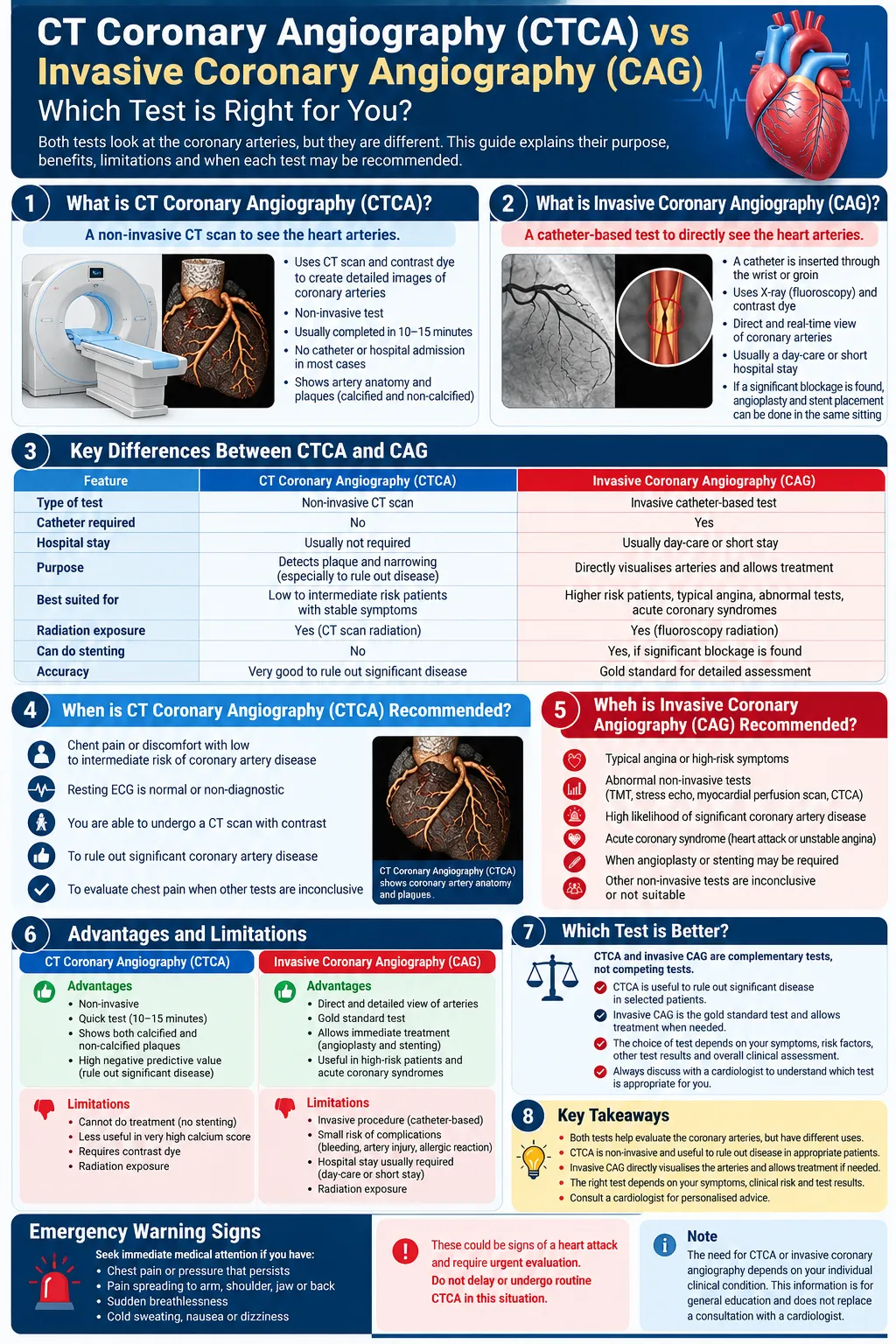
CT Coronary Angiography vs Invasive Coronary Angiography: Which Test Is Right for You?When evaluating possible coronary artery disease, two commonly d... ( Read More )