Medical Services
The Largest online database of patient reviews for doctors, facilities and online Appointment.


Cholesterol Management: A Cardiologist’s Guide to Healthy Cholesterol Levels
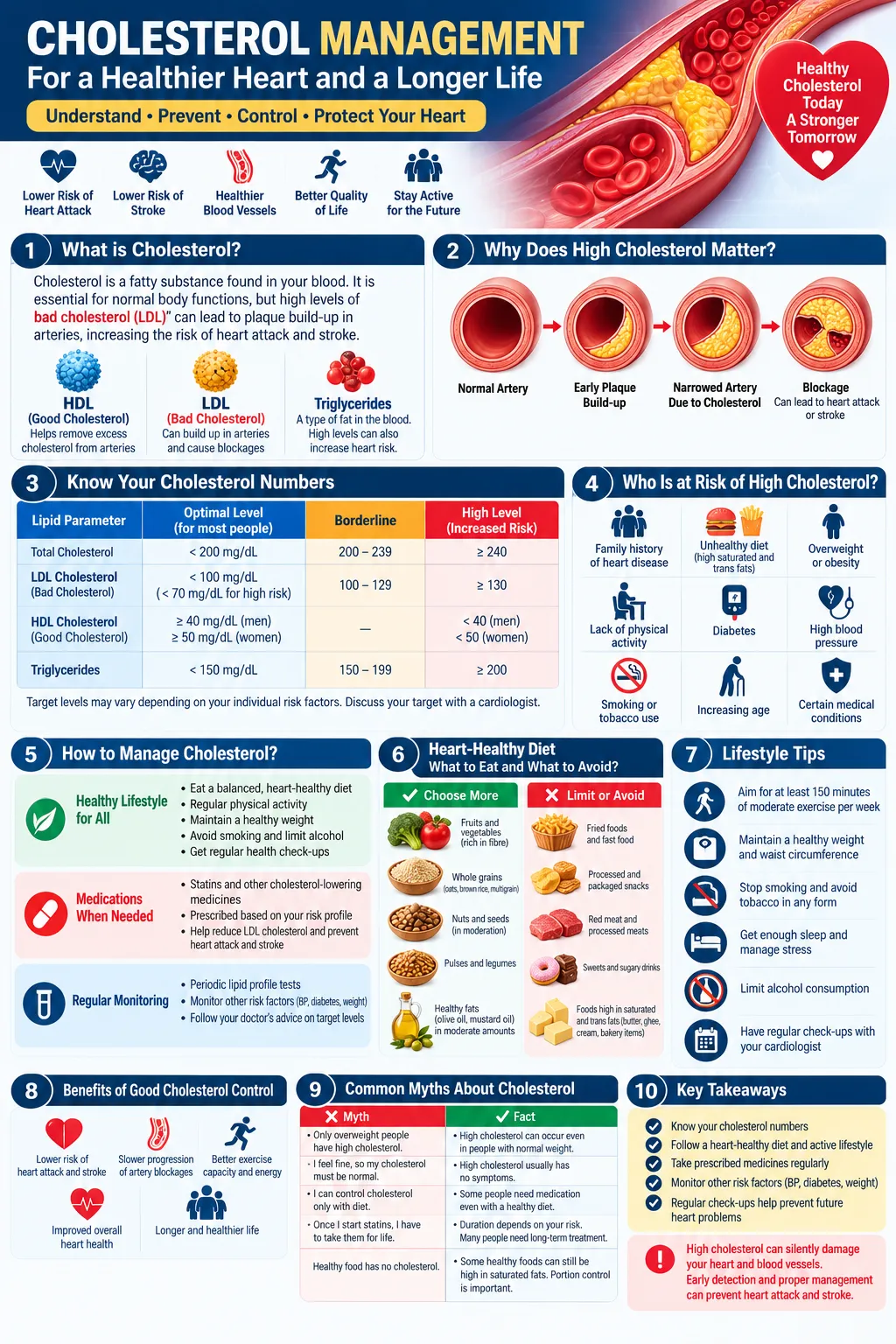
High cholesterol is a common health concern that can increase the risk of coronary artery disease, heart attack and stroke. The challenge is that high cholesterol usually does not cause noticeable symptoms. Many people discover the problem only during a routine blood test or after a cardiovascular assessment.
The good news is that cholesterol can often be managed through healthy eating, regular physical activity, weight management and appropriate medication when required.
Understanding your cholesterol levels and addressing your individual risk factors can help protect your heart over the long term.
Cholesterol is a waxy substance produced by the liver and also obtained from certain foods. The body needs cholesterol to make hormones, vitamin D and substances that help digest food.
However, having too much of certain types of cholesterol in the blood can contribute to plaque formation inside the arteries. This process, known as atherosclerosis, can narrow the coronary arteries and increase the risk of cardiovascular disease.
A lipid profile is a blood test that measures different types of fats in the blood.
LDL cholesterol — often called bad cholesterol
Low-density lipoprotein (LDL) carries cholesterol through the bloodstream. Elevated LDL can contribute to plaque buildup in the arteries and is an important risk factor for heart disease. Lower LDL levels are generally desirable, particularly in people at high cardiovascular risk.
HDL cholesterol — often called good cholesterol
High-density lipoprotein (HDL) helps transport cholesterol from tissues towards the liver. HDL is useful when assessing cardiovascular risk, but simply increasing HDL numbers does not necessarily prevent heart attacks. The overall risk profile and LDL level remain important.
Triglycerides
Triglycerides are another type of fat in the blood. High levels may be associated with obesity, diabetes, excess alcohol intake, certain dietary patterns and other metabolic conditions.
A cardiologist or treating doctor can interpret your lipid profile in the context of your medical history and cardiovascular risk.
Several factors can contribute to high cholesterol, including:
Diets high in saturated fats and trans fats
Excess body weight and physical inactivity
Diabetes and certain thyroid disorders
Genetic conditions such as familial hypercholesterolaemia
Family history of high cholesterol or premature heart disease
Smoking and certain medications or medical conditions
Even people who are young, physically active or have a normal body weight can have elevated LDL cholesterol. Therefore, risk assessment should not rely on appearance or lifestyle alone.
In most cases, high cholesterol does not cause symptoms. A person may feel completely healthy even when LDL cholesterol is elevated.
This is why a lipid profile is important for people who have cardiovascular risk factors or whose doctor recommends screening.
In some inherited cholesterol disorders, physical signs such as cholesterol deposits around tendons or the eyes may occur, but these are not present in everyone.
Do not wait for symptoms before addressing an abnormal cholesterol result.
A lipid profile may be recommended based on your age, family history, medical conditions and overall cardiovascular risk.
Testing is particularly important for people with:
High blood pressure
Diabetes or prediabetes
Obesity or metabolic syndrome
A family history of premature heart disease
Previous heart attack, stroke or coronary artery disease
Previous angioplasty or stent placement
Known or suspected inherited high cholesterol
Your doctor can advise how often testing is needed. Fasting is not always necessary for a lipid profile, although it may be requested in certain circumstances, especially when triglycerides need further assessment.
Lifestyle changes are an essential part of cholesterol management. They can improve overall cardiovascular health and may reduce LDL cholesterol, although the amount of improvement varies between individuals.
Choose a balanced diet that includes vegetables, fruits, whole grains, pulses, beans, nuts and seeds in appropriate portions.
Reduce foods high in saturated fat, such as fatty meats, butter, ghee, cream and certain high-fat dairy products. Avoid trans fats and limit highly processed foods.
For vegetarian diets, pulses, beans, oats and other fibre-rich foods can be helpful choices. Choose cooking oils in moderate quantities and focus on the overall dietary pattern rather than relying on a single food or ingredient.
Soluble fibre can help reduce LDL cholesterol by limiting cholesterol absorption in the digestive system.
Useful sources include oats, barley, beans, lentils, chickpeas, fruits and some vegetables.
Increase fibre gradually and maintain adequate fluid intake.
Regular physical activity supports cardiovascular health, weight management, blood pressure control and metabolic health.
For most adults, a reasonable goal is at least 150 minutes of moderate-intensity aerobic activity each week, along with muscle-strengthening activity on two or more days when appropriate.
Start gradually if you have been inactive. If you have chest pain, significant breathlessness or known heart disease, discuss a suitable exercise plan with your doctor.
Excess weight, particularly abdominal fat, is associated with higher triglycerides, lower HDL cholesterol and other metabolic risk factors.
Gradual, sustainable weight loss can improve lipid levels in people who are overweight. Avoid crash diets and unproven weight-loss products.
Smoking damages blood vessels and increases cardiovascular risk. Quitting tobacco is an important step towards protecting your heart, even if your cholesterol levels are already well controlled.
Excessive alcohol intake can raise triglyceride levels. Sugary drinks, frequent sweets and refined carbohydrates can also contribute to elevated triglycerides, particularly in people with diabetes or insulin resistance.
A balanced eating pattern and moderation are more useful than relying on restrictive short-term diets.
Lifestyle changes are important, but they are not always enough to bring LDL cholesterol to the level appropriate for your cardiovascular risk.
Statins are commonly prescribed medicines that lower LDL cholesterol and reduce the risk of cardiovascular events in appropriate patients.
Depending on the patient's risk and response to treatment, a doctor may also consider other cholesterol-lowering medicines, such as ezetimibe or injectable therapies.
Medication decisions depend on factors such as:
Current LDL cholesterol level
Previous heart attack, stroke or coronary artery disease
Diabetes and other medical conditions
Family history and suspected inherited cholesterol disorders
Overall cardiovascular risk
Response to lifestyle changes and previous treatment
People who have already had a heart attack or undergone coronary angioplasty often need intensive LDL cholesterol reduction and long-term preventive treatment.
Never start, stop or change cholesterol medication without discussing it with your treating doctor. If you experience possible side effects, seek advice rather than discontinuing treatment on your own.
There is no single LDL cholesterol target that is appropriate for everyone.
The desired level depends on a person's cardiovascular risk. Someone without known cardiovascular disease may have a different target from someone with diabetes, established coronary artery disease or a previous heart attack.
People at very high cardiovascular risk generally require more intensive LDL reduction. Your doctor can explain your target based on current clinical guidance and your individual circumstances.
The aim is not simply to achieve a laboratory number; it is to reduce the risk of future cardiovascular events.
Cholesterol management is especially important for people who have had a heart attack, coronary angioplasty or stent placement.
A stent treats a specific narrowed segment of an artery, but it does not remove the underlying tendency to develop atherosclerosis elsewhere in the coronary circulation.
Long-term prevention may include:
Taking prescribed statins and other medicines consistently
Monitoring LDL cholesterol as advised
Following a heart-healthy diet
Staying physically active according to medical advice
Controlling blood pressure and diabetes
Avoiding smoking and tobacco
Attending regular follow-up appointments
Good cholesterol management is an important part of preventing future cardiac events.
Consider a cardiovascular assessment if you have persistently elevated LDL cholesterol, diabetes, high blood pressure, a strong family history of premature heart disease or a previous cardiovascular event.
A cardiologist can assess your overall risk, interpret your lipid profile and discuss lifestyle changes, medication and further investigations when appropriate.
People with a family history of early heart disease may also benefit from discussing whether testing for lipoprotein(a), an inherited cardiovascular risk factor, is appropriate.
If you experience chest pressure, sudden breathlessness, cold sweating or other symptoms suggestive of a heart attack, seek emergency medical care immediately rather than waiting for a routine appointment.
People looking for high cholesterol treatment or a cardiologist in Indirapuram, Ghaziabad, can seek medical advice to understand their lipid profile and cardiovascular risk.
Dr Ankur Gautam, DM (Cardiology), Senior Consultant and Interventional Cardiologist, provides cardiac consultation and guidance on cardiovascular risk-factor management.
Consultation is available at Medical Mantra Multispeciality Clinic, Indirapuram, Ghaziabad, and at KDSG Super Speciality Hospital, Greater Noida West.
The appropriate treatment plan depends on your cholesterol levels, medical history, existing risk factors and previous cardiovascular conditions.
Some people can improve cholesterol levels through dietary changes, exercise and weight management. However, medication is often necessary for people with markedly elevated LDL cholesterol, inherited cholesterol disorders or high cardiovascular risk.
Usually, no. High cholesterol is commonly detected through a lipid profile rather than symptoms.
Oats, barley, pulses, beans, fruits, vegetables, nuts and other fibre-rich foods can support LDL reduction when included in a balanced diet. Reducing saturated and trans fats is also important.
The frequency depends on your initial results, treatment, medical conditions and cardiovascular risk. Your doctor can recommend an appropriate monitoring schedule.
Yes. Genetics, inherited conditions, thyroid disorders and other factors can cause high cholesterol even in people who exercise regularly and maintain a healthy weight.
A qualified cardiologist or other appropriate treating doctor can assess your lipid profile, cardiovascular risk and need for lifestyle changes or medication.
Cholesterol management is an important part of preventing heart disease. Regular assessment, a heart-healthy diet, physical activity, tobacco avoidance and appropriate medication can help reduce cardiovascular risk.
Do not ignore persistently high cholesterol simply because you feel well. Early assessment and an individualised treatment plan can help protect your long-term heart health.
Author: Dr Ankur Gautam, MBBS, MD (Medicine), DM (Cardiology)
Senior Consultant & Interventional Cardiologist
Medical Mantra Multispeciality Clinic, Indirapuram, Ghaziabad
KDSG Super Speciality Hospital, Greater Noida West
Medical disclaimer: This article is for general educational purposes and does not replace individual medical advice, diagnosis or treatment.

Blood tests are commonly used to understand different aspects of a person's health. Doctors may recommend them to investigate symptoms, monitor existi... ( Read More )
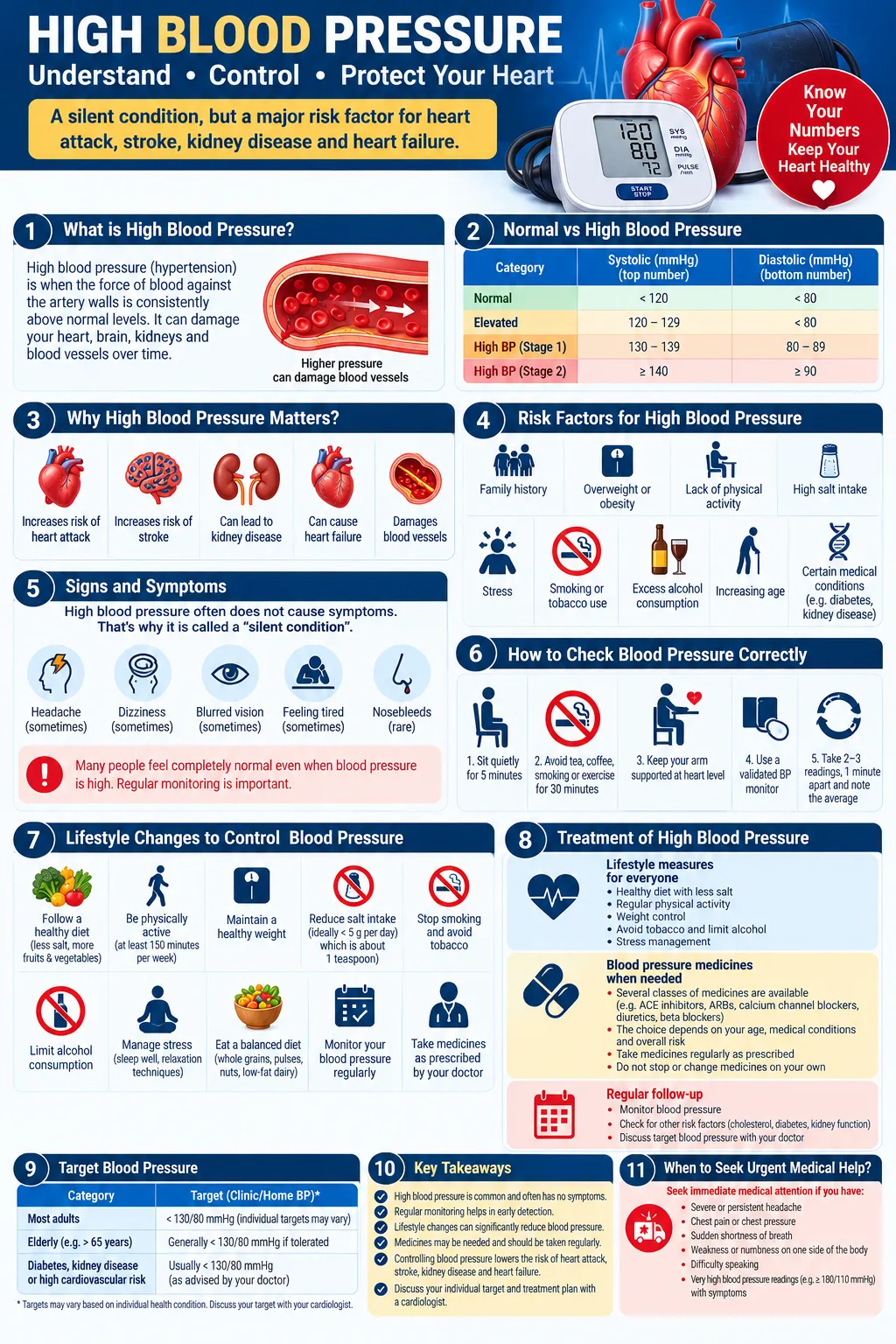
High Blood Pressure: Symptoms, Causes, Treatment and PreventionHigh blood pressure, also known as hypertension, is one of the most common cardiovascul... ( Read More )
Cholesterol Management: A Cardiologist’s Guide to Healthy Cholesterol LevelsHigh cholesterol is a common health concern that can increase the risk o... ( Read More )
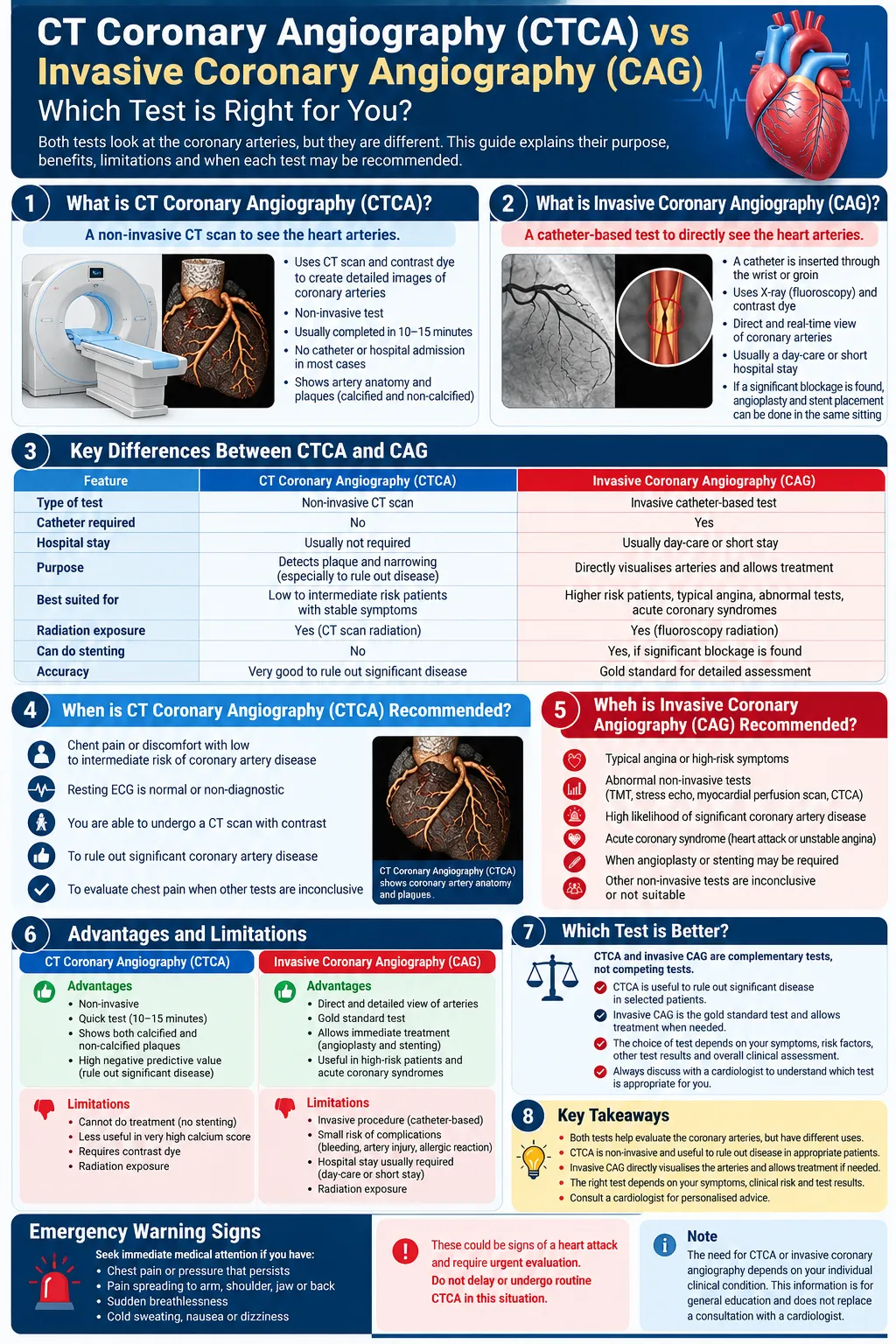
CT Coronary Angiography vs Invasive Coronary Angiography: Which Test Is Right for You?When evaluating possible coronary artery disease, two commonly d... ( Read More )