Medical Services
The Largest online database of patient reviews for doctors, facilities and online Appointment.


Low Back Pain in Orthopedic Care
Low back pain is one of the most frequent causes for orthopedic consultation. It can result from muscle strain, ligament injury, disc degeneration, or structural abnormalities in the spine. In orthopedic practice, the goal is to identify the root cause of pain and provide tailored treatment that alleviates discomfort while restoring normal spinal function.
Common contributors include poor posture, prolonged sitting, heavy lifting, and lack of physical activity. Orthopedic specialists conduct a detailed examination to determine whether the pain is mechanical, nerve-related, or degenerative in nature. Diagnostic imaging such as X-rays or MRI scans may be used to assess spinal condition and rule out serious causes. Low Back Pain Specialist in Faridabad.
Treatment typically begins with rest, physiotherapy, and anti-inflammatory medications. Strengthening exercises, posture correction, and ergonomic modifications play an essential role in long-term relief. For persistent or severe cases, advanced options like spinal injections or minimally invasive surgery may be advised.
With early evaluation and proper orthopedic management, most patients experience significant improvement and regain spinal flexibility. Preventive measures, including regular exercise and maintaining healthy body mechanics, are key to avoiding recurrent back problems.
Low back pain is one of the most common musculoskeletal complaints that leads patients to seek orthopaedic consultation. It affects people of all ages and can significantly interfere with daily activities, work performance, and overall quality of life. In orthopaedic practice, understanding the underlying causes and providing evidence-based treatment are key to successful management. Low Back Pain Specialist in Faridabad.
Common Causes of Low Back Pain
Low back pain usually arises from disorders affecting the lumbar spine, intervertebral discs, facet joints, muscles, or ligaments. Common causes include muscle strain, degenerative disc disease, herniated discs, spinal stenosis, osteoarthritis, and spondylolisthesis. Poor posture, heavy lifting, obesity, and sedentary lifestyle often contribute to mechanical stress on the spine. Occasionally, low back pain may result from inflammatory or neoplastic conditions, requiring specialized evaluation.
Clinical Evaluation and Diagnosis
In orthopaedic assessment, a detailed medical history and physical examination form the foundation of diagnosis. The clinician evaluates pain location, duration, severity, and associated symptoms such as numbness or leg weakness. Neurological tests assess nerve involvement, while special maneuvers help pinpoint mechanical causes. Imaging studies like X-rays, MRI, or CT scans are ordered when necessary to visualize structural abnormalities or disc pathology. Blood tests may also be recommended to rule out infection or systemic disease. Best CT Scan & X-Ray Specialist in Faridabad.
Treatment and Management Approaches
The treatment of low back pain in orthopaedic practice focuses on relieving symptoms, correcting the underlying cause, and preventing recurrence. Most cases respond well to non-surgical measures such as rest, physiotherapy, postural correction, and use of non-steroidal anti-inflammatory drugs (NSAIDs). Activity modification and ergonomic adjustments at work or home can also help reduce strain on the lower back.
When pain persists despite conservative management, orthopaedic specialists may recommend interventions like epidural steroid injections, radiofrequency ablation, or minimally invasive spine procedures. Surgical treatment is reserved for severe cases involving spinal instability, significant neurological deficits, or structural deformity that impairs function.
Role of Rehabilitation and Preventive Care
Rehabilitation plays a vital role in recovery. Physiotherapy strengthens the core muscles, improves flexibility, and restores functional mobility. Patient education is equally important—teaching correct posture, proper lifting techniques, and regular exercise can help prevent recurrences. Orthopaedic teams often collaborate with pain management and rehabilitation experts to design individualized care plans for long-term spine health.
Conclusion
Low back pain remains a significant health issue with multifactorial origins. In orthopaedic practice, a thorough evaluation, targeted treatment, and emphasis on lifestyle modification ensure better outcomes. Early diagnosis and patient involvement in preventive care are essential to maintaining spinal stability and reducing the burden of chronic back pain. Top Low Back Pain Specialist in Faridabad.

Blood tests are commonly used to understand different aspects of a person's health. Doctors may recommend them to investigate symptoms, monitor existi... ( Read More )
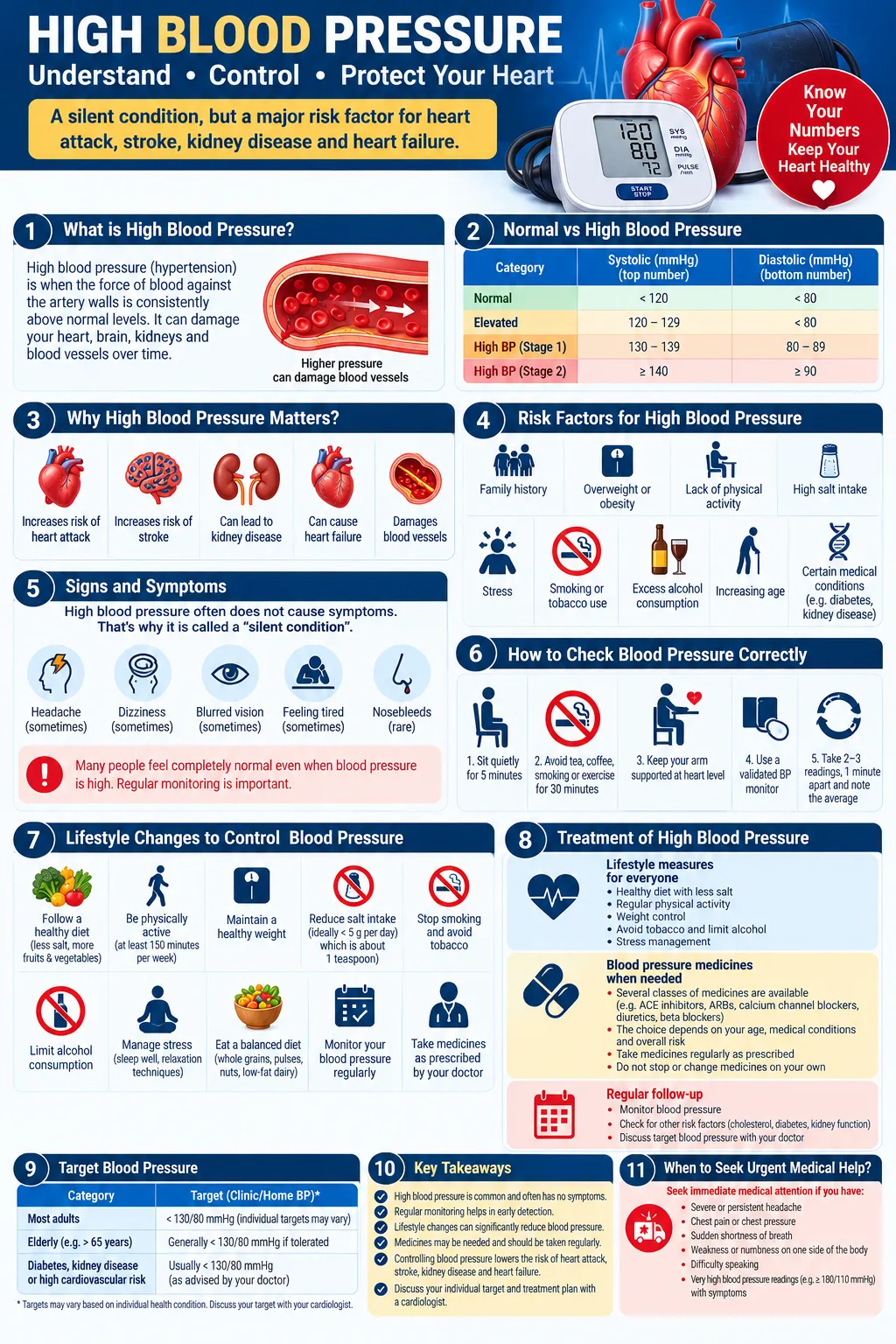
High Blood Pressure: Symptoms, Causes, Treatment and PreventionHigh blood pressure, also known as hypertension, is one of the most common cardiovascul... ( Read More )
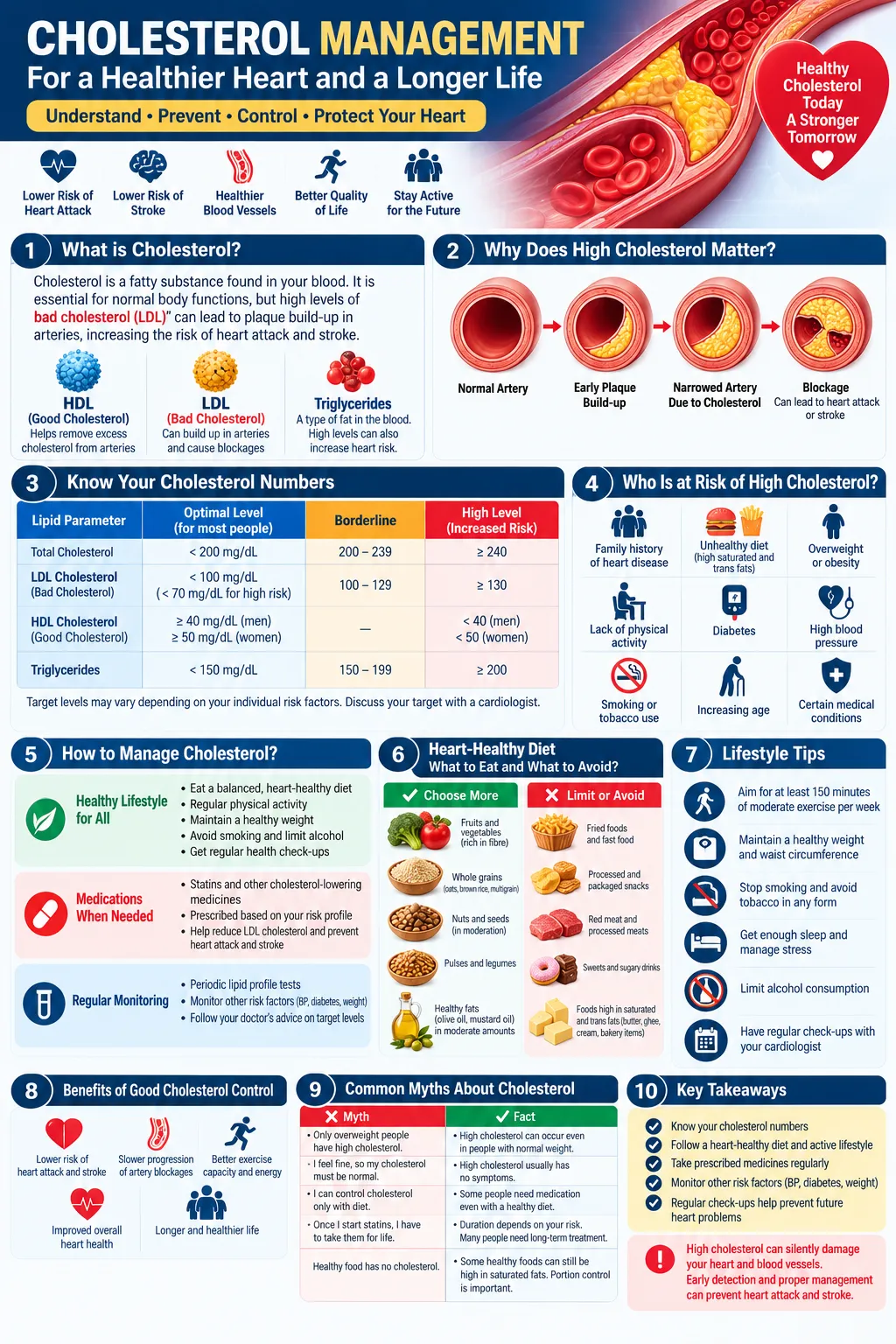
Cholesterol Management: A Cardiologist’s Guide to Healthy Cholesterol LevelsHigh cholesterol is a common health concern that can increase the risk o... ( Read More )
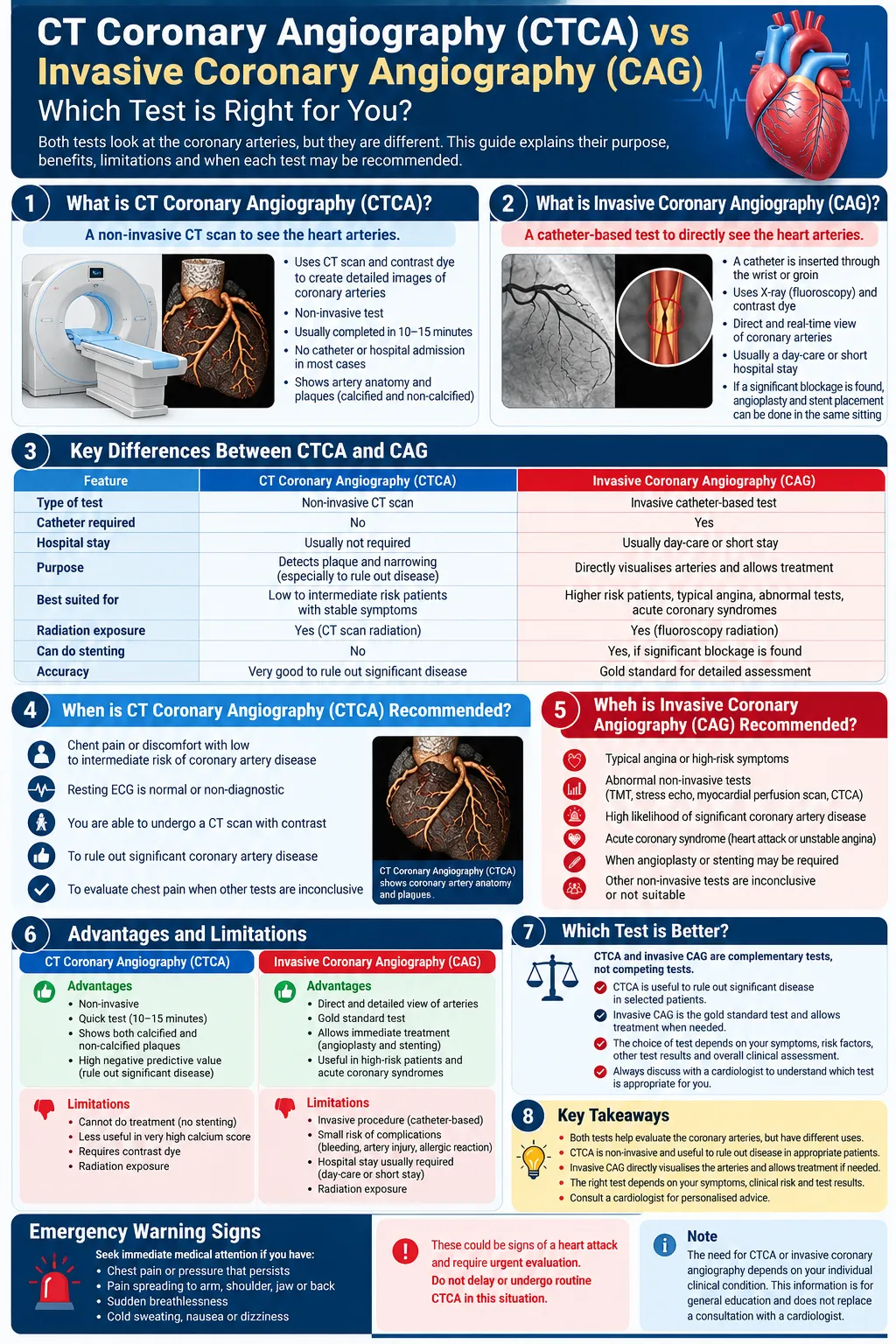
CT Coronary Angiography vs Invasive Coronary Angiography: Which Test Is Right for You?When evaluating possible coronary artery disease, two commonly d... ( Read More )