Medical Services
The Largest online database of patient reviews for doctors, facilities and online Appointment.


Knee Pain & Orthopaedics
Knee pain affects millions worldwide, often stemming from orthopaedic conditions like osteoarthritis, ligament injuries, or meniscus tears. In orthopaedics, accurate diagnosis through physical exams, X-rays, and MRI guides effective management, prioritising non-surgical options initially for most patients.?Top Knee Pain Specialist in Faridabad.
Common Causes
Osteoarthritis tops the list, where cartilage wear causes bone-on-bone friction, leading to stiffness and swelling, especially in older adults or those with prior injuries. Traumatic issues like ACL tears from sports or patellar tendinitis from overuse also contribute significantly. Overweight individuals face higher risks due to excess joint loading, while inflammatory arthritis like rheumatoid adds systemic challenges.?
Diagnosis Approach
Orthopaedic specialists start with history and gait analysis, followed by targeted tests like McMurray's for menisci or Lachman's for ligaments. Imaging confirms structural damage, while blood tests rule out infections or gout. Early intervention prevents progression.?
Treatment Strategies
Non-surgical paths dominate first-line care: physiotherapy strengthens supporting muscles, NSAIDs curb inflammation, and braces provide stability. Injections like corticosteroids or PRP offer targeted relief. Surgery, such as arthroscopy or replacement, reserves for failures.? Pain management in Faridabad.
Prevention Tips
Maintain ideal weight, exercise regularly with low-impact activities, and use proper footwear. Strengthening quads and hamstrings builds resilience against daily stresses.?
Non-surgical knee pain overview
Non-surgical management is usually the first line of treatment for knee pain caused by osteoarthritis, ligament strain, meniscal injuries, or overuse. Orthopaedic specialists individualise these plans based on age, activity level, severity of damage, and associated medical conditions. A multimodal approach combining exercise, weight control, medicines, and supportive devices often provides better and longer-lasting relief than any single therapy alone.
Lifestyle changes and physiotherapy
Targeted physiotherapy plays a central role in knee pain management by strengthening quadriceps and hip muscles, improving joint stability, and restoring range of motion. Structured programmes may include stretching, closed-chain strengthening, balance training, and low-impact aerobic activities such as cycling or swimming. Lifestyle measures like weight reduction, avoiding high-impact sports, using proper footwear, and modifying daily activities can significantly reduce mechanical load on the joint and slow progression of arthritis-related damage. Non Surgical Specialist in Faridabad.
Medications and topical agents
Orthopaedic doctors commonly prescribe paracetamol or non-steroidal anti-inflammatory drugs (NSAIDs) to control pain and inflammation in the short to medium term. Topical NSAID gels or sprays can be useful in patients who cannot tolerate oral medicines, offering local relief with fewer systemic side-effects. Short courses of other agents such as muscle relaxants or neuropathic pain modulators may be considered in selected cases, while long-term opioid use is generally discouraged due to dependency and adverse effect risks.
Bracing, supports and assistive devices
Unloading knee braces, neoprene sleeves, or patellar-stabilising braces help improve alignment, redistribute joint forces, and enhance proprioception, especially in unicompartmental osteoarthritis or patellofemoral pain. Simple external supports like orthotic insoles, walking sticks, or walkers reduce stress on the affected limb, improve confidence in walking, and decrease the risk of falls. Taping techniques and elastic bandages are sometimes used as adjuncts during rehabilitation or sports to provide temporary support. Best PRP Doctors in Faridabad.
Injection-based therapies
Intra-articular corticosteroid injections can offer strong but usually short-term pain relief by suppressing synovial inflammation, and are often used when pain flares limit rehabilitation. Hyaluronic acid (viscosupplementation) injections aim to improve joint lubrication and shock absorption, and may benefit some patients with mild to moderate osteoarthritis. Regenerative options like platelet-rich plasma (PRP) or other biologic injections are increasingly used in sports and orthopaedic practice, with the goal of promoting tissue healing and symptom relief in selected patients, though responses can vary and multiple sessions may be required.
When to consider surgery
If a patient continues to experience significant pain, stiffness, or functional limitation despite an adequate trial of non-surgical measures, an orthopaedic surgeon may discuss minimally invasive or surgical options. Progressive deformity, recurrent locking, or advanced cartilage loss on imaging are additional factors that may push the decision towards surgery. Early orthopaedic evaluation ensures timely diagnosis, allows maximum use of conservative therapies, and helps plan the right stage for any future surgical intervention if needed. Top Orthopedic Surgeon in Faridabad.

Blood tests are commonly used to understand different aspects of a person's health. Doctors may recommend them to investigate symptoms, monitor existi... ( Read More )
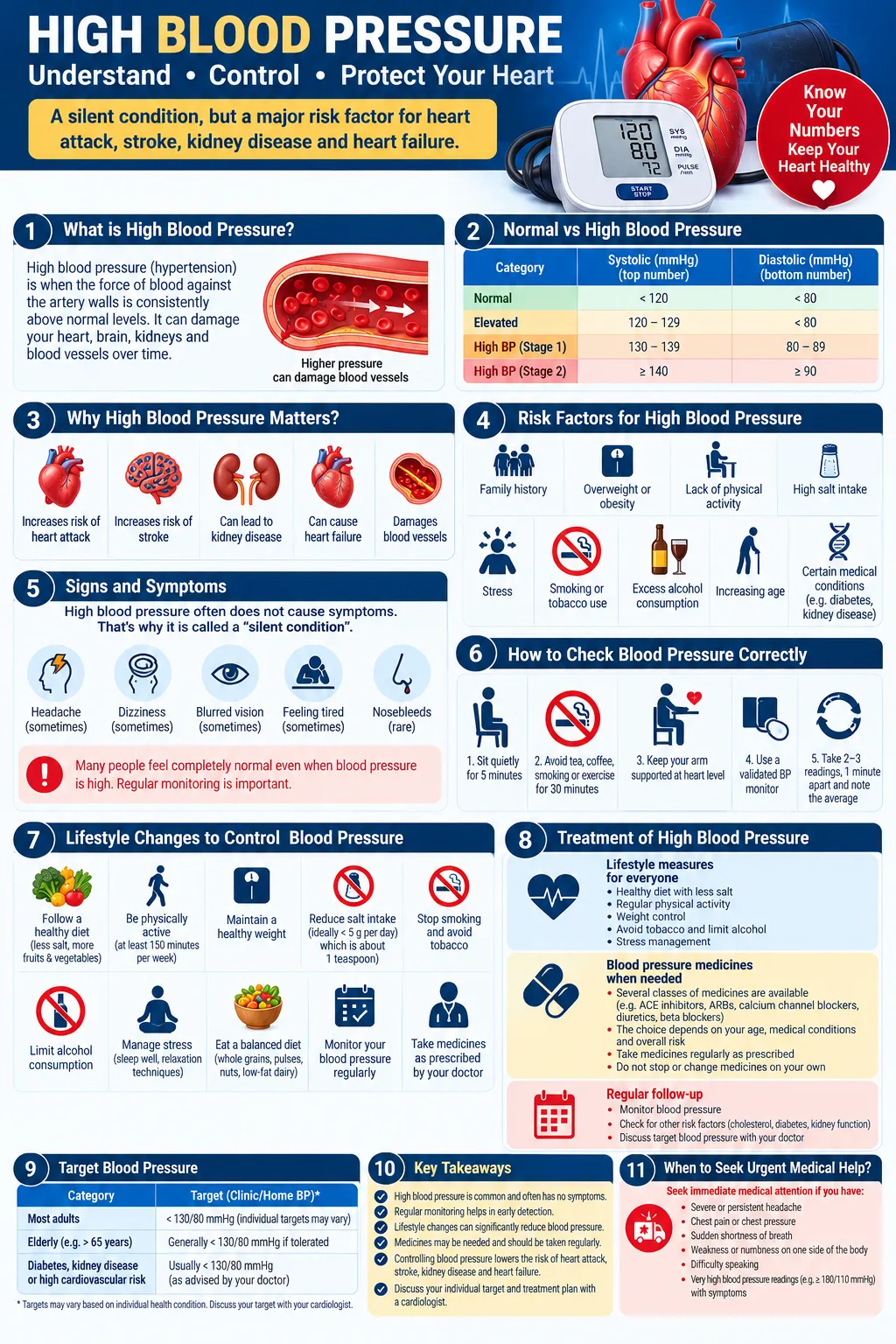
High Blood Pressure: Symptoms, Causes, Treatment and PreventionHigh blood pressure, also known as hypertension, is one of the most common cardiovascul... ( Read More )
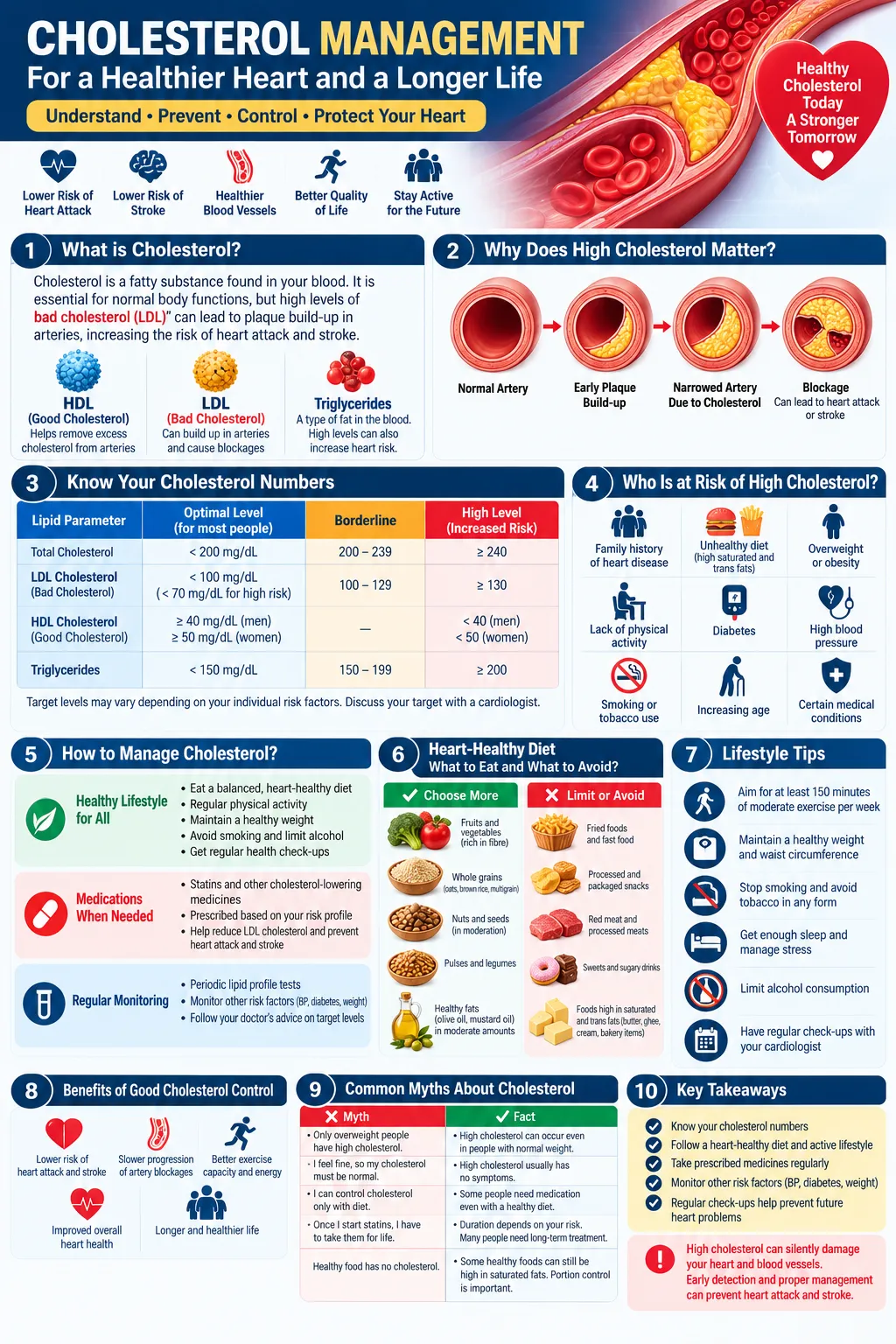
Cholesterol Management: A Cardiologist’s Guide to Healthy Cholesterol LevelsHigh cholesterol is a common health concern that can increase the risk o... ( Read More )
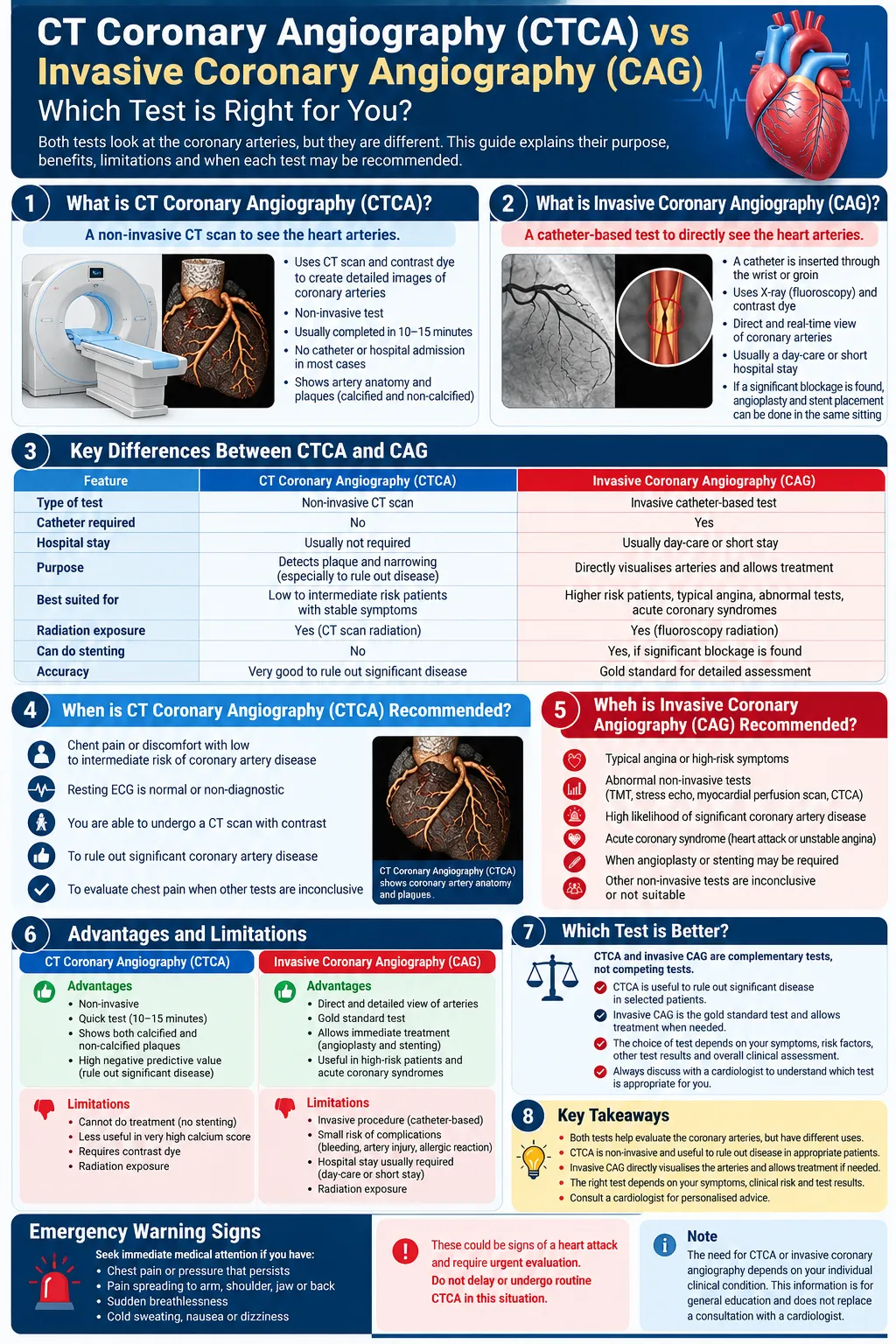
CT Coronary Angiography vs Invasive Coronary Angiography: Which Test Is Right for You?When evaluating possible coronary artery disease, two commonly d... ( Read More )