Medical Services
The Largest online database of patient reviews for doctors, facilities and online Appointment.


There is no cutting involved in the medical process known as endoscopy. A thin, flexible tube with a light and camera is placed into the body to look at the digestive system. It helps gastroenterologists detect issues like ulcers, bleeding, tumours, or inflammation by letting them examine closely the oesophagus, stomach, and parts of the intestine. Best Digestive checkup Specialists in Faridabad.
This test is typically recommended by doctors to check for acid reflux, gastritis, coeliac disease, or early signs of gastrointestinal cancer. Depending on your symptoms, your doctor may suggest an upper endoscopy (through the mouth) or a colonoscopy (through the rectum).
Endoscopies are usually safe, done with little sedation, and don't hurt too much. They aid with more than simply diagnosis; they also help with treatment, including getting a biopsy or taking out a polyp.
Patients are normally urged to fast for a few hours and take their medications as directed by their doctor before the surgery. After the procedure, most people return to their normal lives within a few hours.
Endoscopy is a safe and accurate technique to discover and treat digestive disorders early on, which leads to greater long-term health for your digestive system. Top Colonoscopy Doctor in Faridabad.
Before the Procedure: Getting ready is really important for an endoscopy that goes well and is accurate. Your doctor will tell you exactly what to do, but here are some general steps:
• Drugs: Tell your doctor about any drugs you are currently taking, especially blood thinners or insulin, because they may need to be changed.
• Medical History: Tell the doctor about any health issues that could be essential, such as heart problems or bad reactions to anaesthetic in the past.
In some cases, a sedative may be administered before the therapy to assist the patient in relaxing and feeling better.
During the process
Usually, endoscopy is done at a doctor's office on the same day as an outpatient procedure. In most cases, this is what happens:
• Positioning: You will be lying on your left side the whole time.
• Sedation: You'll get a small amount of sedation through an IV. You can also administer local anaesthesia on the throat.
• Inspection: The doctor looks at pictures of living things on a screen and may take samples or remove growths if they need to.
• Recovery: Until the sedative wears off, someone will monitor you closely. You may feel sleepy or bloated or have a sore throat for a short while.
• Getting there: Make sure someone is available to drive you home, as you won't be allowed to drive for the rest of the day.
• Diet: You can eat and drink again after a few hours unless someone tells you not to.
• Results: You can talk about what you observed shortly after the surgery, but it usually takes a few days to acquire the biopsy results.
Call your doctor if you experience a lot of pain in your stomach, throw up, or see blood in your stool. Best Stomach Pain Specialist in Faridabad.
Final Thoughts
If you know how endoscopy works, it might not be as intimidating, and you might be able to work together to get better sooner. It's a safe, useful, and very beneficial approach to detect and resolve intestinal problems. Please follow your doctor's instructions and feel free to express any concerns you may have before or after the test. Endoscopy Specialist in Faridabad.

Blood tests are commonly used to understand different aspects of a person's health. Doctors may recommend them to investigate symptoms, monitor existi... ( Read More )
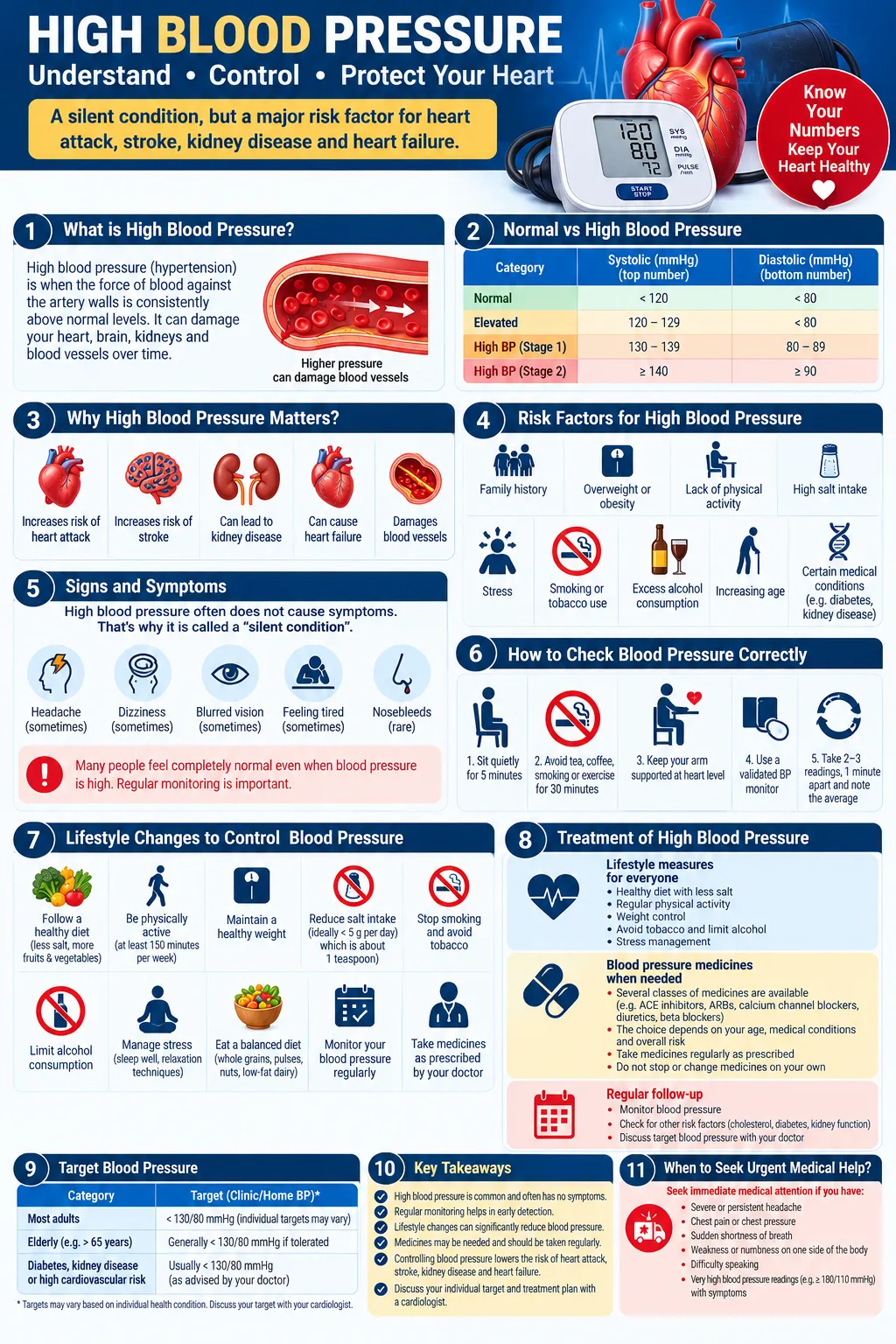
High Blood Pressure: Symptoms, Causes, Treatment and PreventionHigh blood pressure, also known as hypertension, is one of the most common cardiovascul... ( Read More )
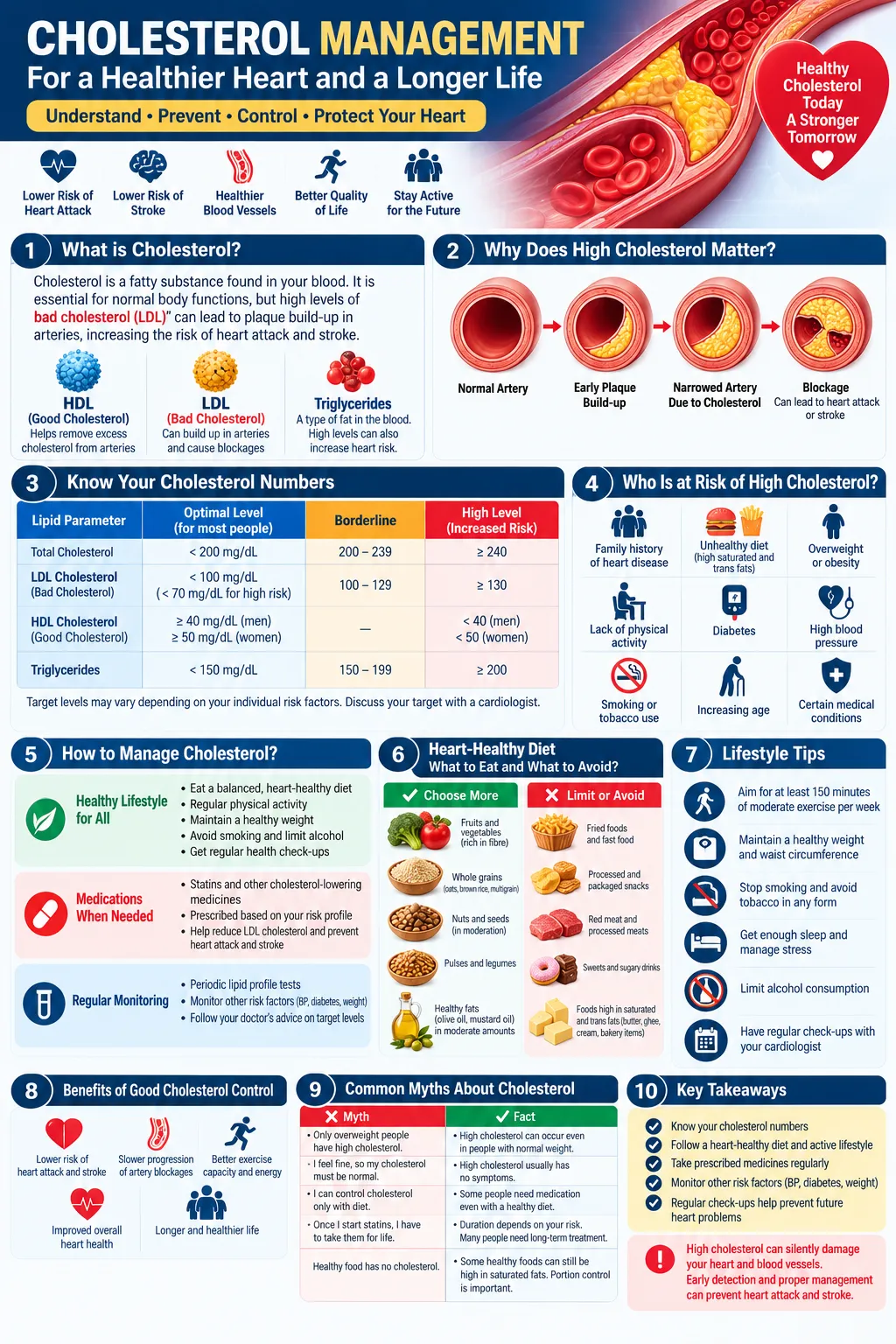
Cholesterol Management: A Cardiologist’s Guide to Healthy Cholesterol LevelsHigh cholesterol is a common health concern that can increase the risk o... ( Read More )
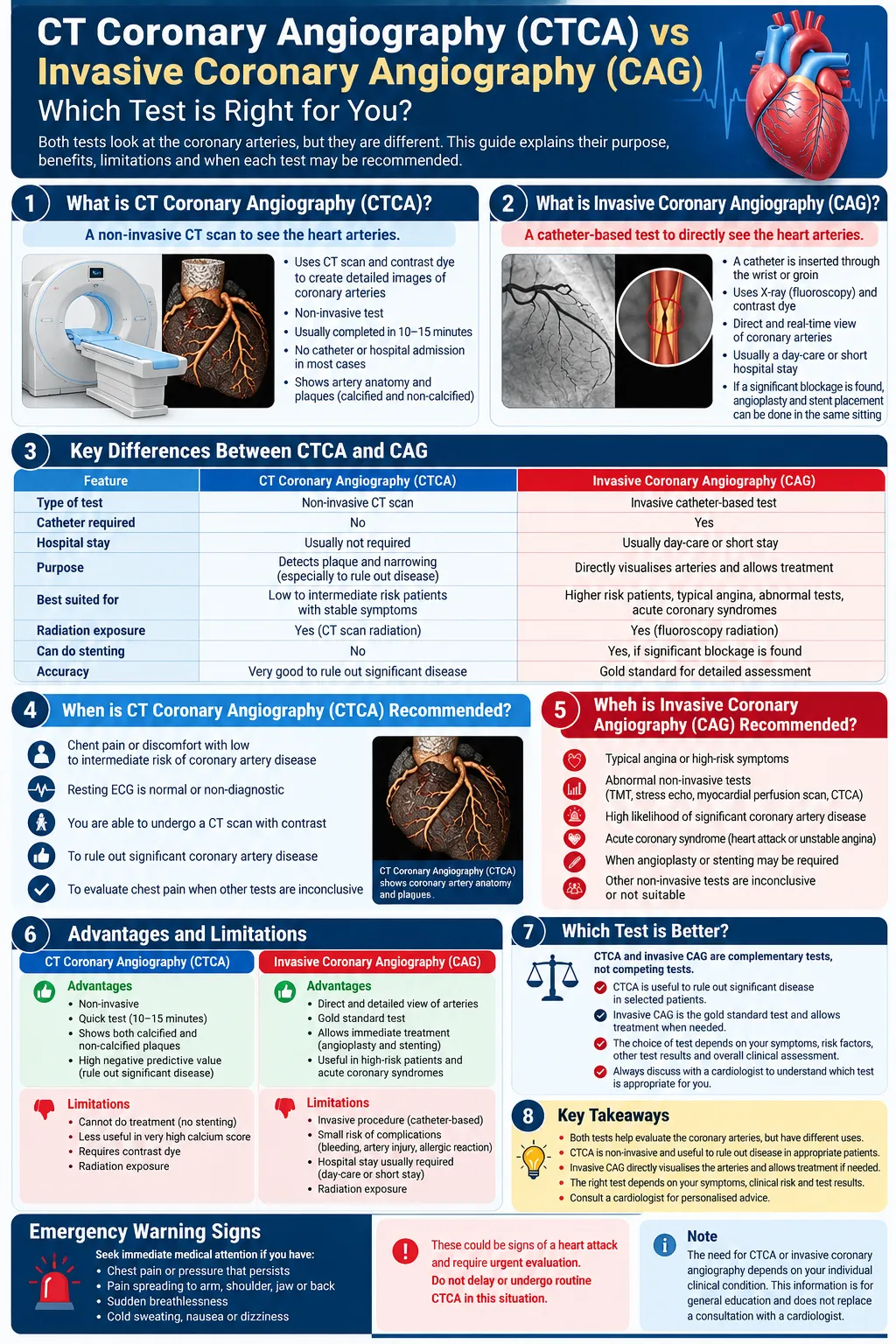
CT Coronary Angiography vs Invasive Coronary Angiography: Which Test Is Right for You?When evaluating possible coronary artery disease, two commonly d... ( Read More )