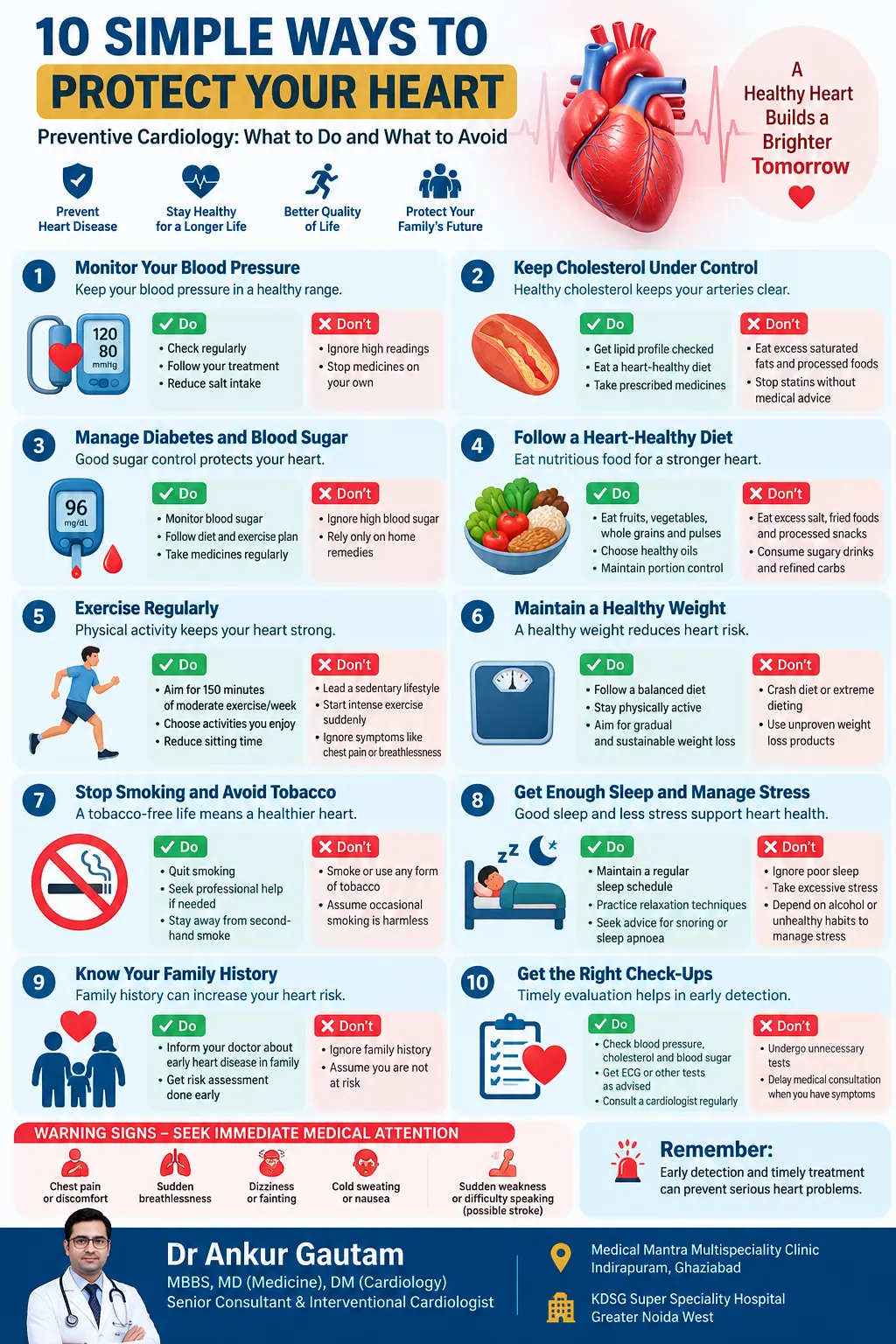
Medical Services
The Largest online database of patient reviews for doctors, facilities and online Appointment.


Among the most often reported health issues are fever, cold, and coughing, particularly in relation to seasonal changes. Though usually modest, they can greatly disrupt everyday activities and cause considerable discomfort. While a cold may bring symptoms including runny nose, sneezing, congestion, and tiredness, fever usually suggests your body is fighting an infection.
Usually, viral diseases like the flu or common cold bring up these symptoms. But, particularly if they last more than a few days, they can occasionally hint at bacterial infections, bronchitis, or even pneumonia.
Rest, water, warm liquids, and over-the-counter drugs constitute basic treatment. Additionally, steam inhalation and saltwater gargles can help relieve discomfort.
A doctor can rule out more major diseases, provide a correct diagnosis, and suggest suitable drugs. Apart from accelerating healing, timely medical treatment helps prevent problems.
Don't discount ongoing symptoms; seek professional advice as needed.
A fever, cold, or chronic cough can seriously disrupt your daily activities and general state of health. These frequent yet disruptive illnesses can be indicators of seasonal allergies, underlying diseases, or even stress connected to lifestyle. A general physician then becomes your first line of protection, providing accurate diagnosis, professional treatment strategies catered to your situation, and skilled care.
Acknowledging the Symptoms
Usually your body's means of alerting you to something not quite right are fever, cold, and cough. Often accompanying illnesses, fever is a symptom indicating vigorous immune system action against microorganisms. The cause will determine whether coughing is dry or productive—that is, with phlegm. Top Fever & Cold Specialist in Faridabad.
Although these disorders are usually mild, self-limiting, and treatable at home, occasionally they point to more serious problems, including flu, bronchitis, sinusitis, or even pneumonia. Therefore, effective and appropriate management depends on consulting a general physician to get the required treatment.
General Physician's Role
Providing basic treatment for various acute and chronic illnesses, ageneral physician (GP) is a trained medical professional. A GP is crucial in determining the degree, pointing out the cause, and avoiding complications for common illnesses such as fever, cold, and coughing.
The doctor will carefully review your symptoms, complete a physical examination, and, if needed, suggest testing including a CBC, chest X-ray, or throat swab during a consultation. The results will guide their prescriptions for medication: antipyretic s for fevers, decongestants for colds, cough suppressants, and antibiotics (if necessary) for infections.
Individualized therapy and holistic methods
The customized attention and comprehensive treatment strategy of skilled care provided by a general physician distinguish it. They take the patient's whole health into account, including nutrition, stress, hydration, sleep, and immunity, transcending mere treatment of specific symptoms. Along with medical treatment for quick recovery, they could advise home treatments such as warm fluids, rest, steam inhalation, and saltwater gargles.
GPs also know how to spot red signs that can point to complications—such as high-grade fever, coughing that lasts longer than two weeks, chest discomfort, or dyspnoea—and can refer you to a specialist or hospital treatment when called for.
Prevention and following-up
Apart from therapy, prevention depends much on general physicians. They inform patients about dietary and lifestyle modifications that increase immunity, seasonal immunization like flu shots, and hygienic habits. Moreover, crucial is follow-up treatment to guarantee that recovery is on schedule and to modify treatment should symptoms continue or get worse.
Conclusion:
Professional guidance from a general physician can significantly impact the management of fever, cold, and cough. Right diagnosis, quick treatment, and sympathetic support will help you recover faster and avoid complications. Never ignore ongoing symptoms; see a general physician to start on the path towards an improved and healthier life. Best General Medicine dr in Faridabad.

Blood tests are commonly used to understand different aspects of a person's health. Doctors may recommend them to investigate symptoms, monitor existi... ( Read More )
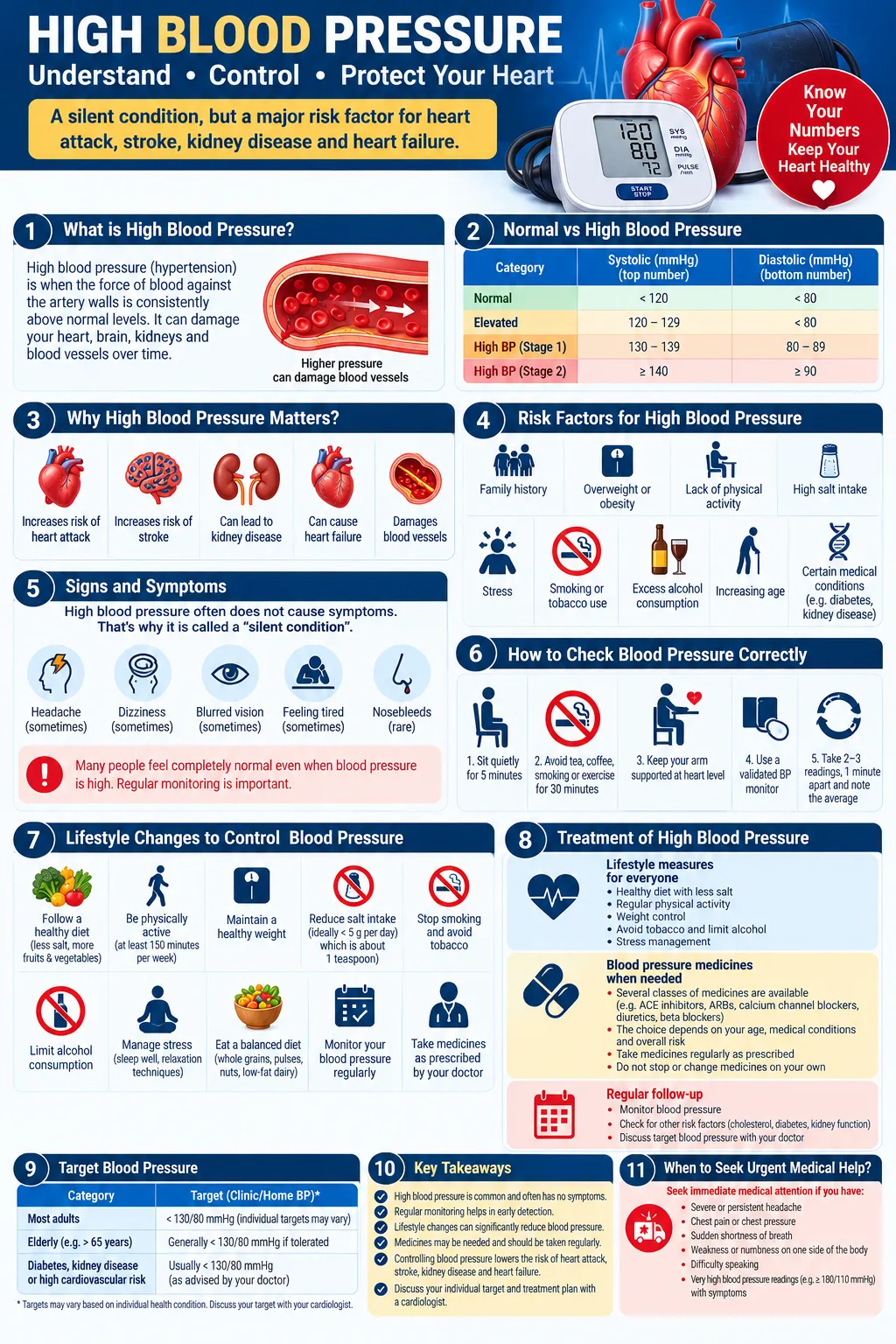
High Blood Pressure: Symptoms, Causes, Treatment and PreventionHigh blood pressure, also known as hypertension, is one of the most common cardiovascul... ( Read More )
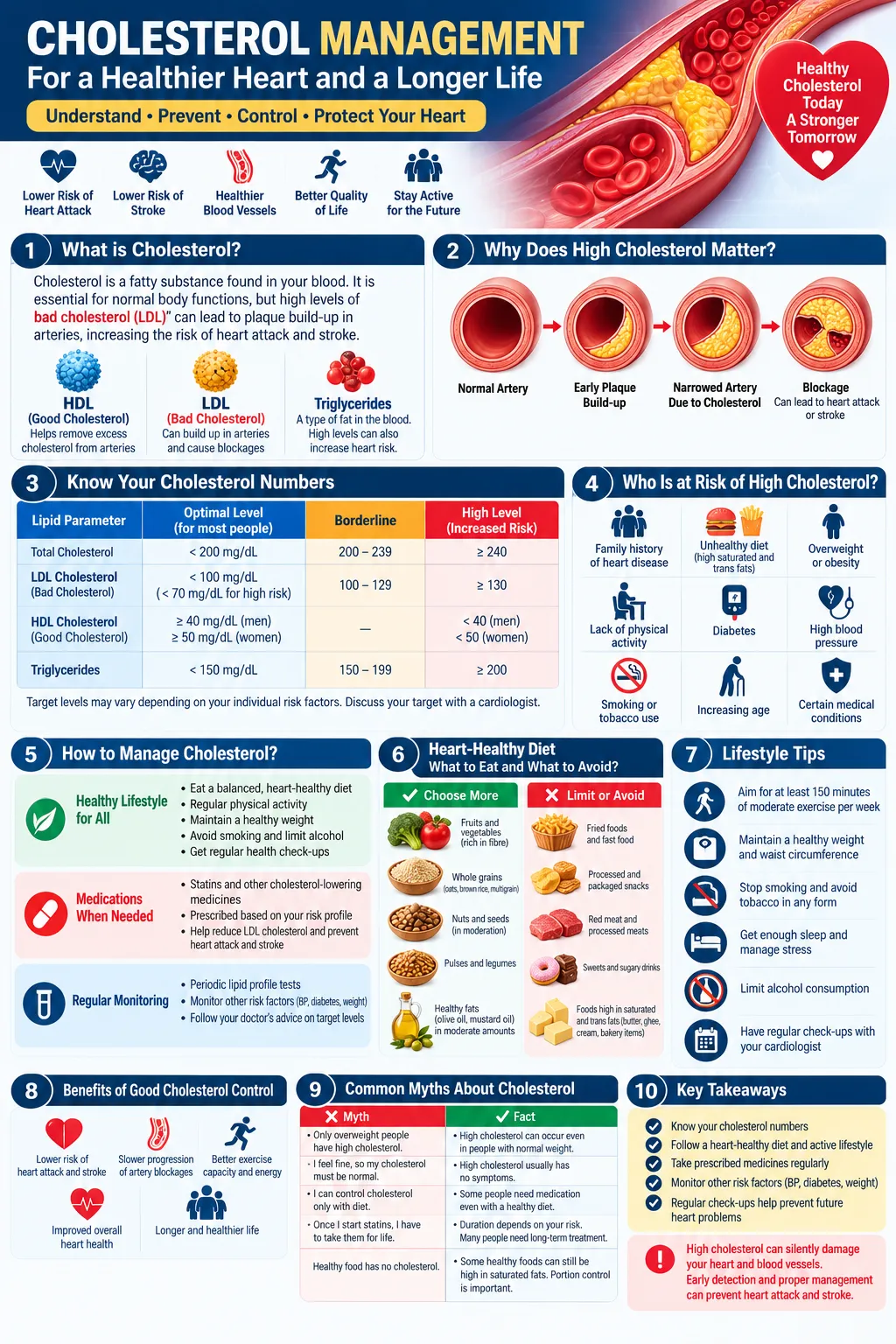
Cholesterol Management: A Cardiologist’s Guide to Healthy Cholesterol LevelsHigh cholesterol is a common health concern that can increase the risk o... ( Read More )
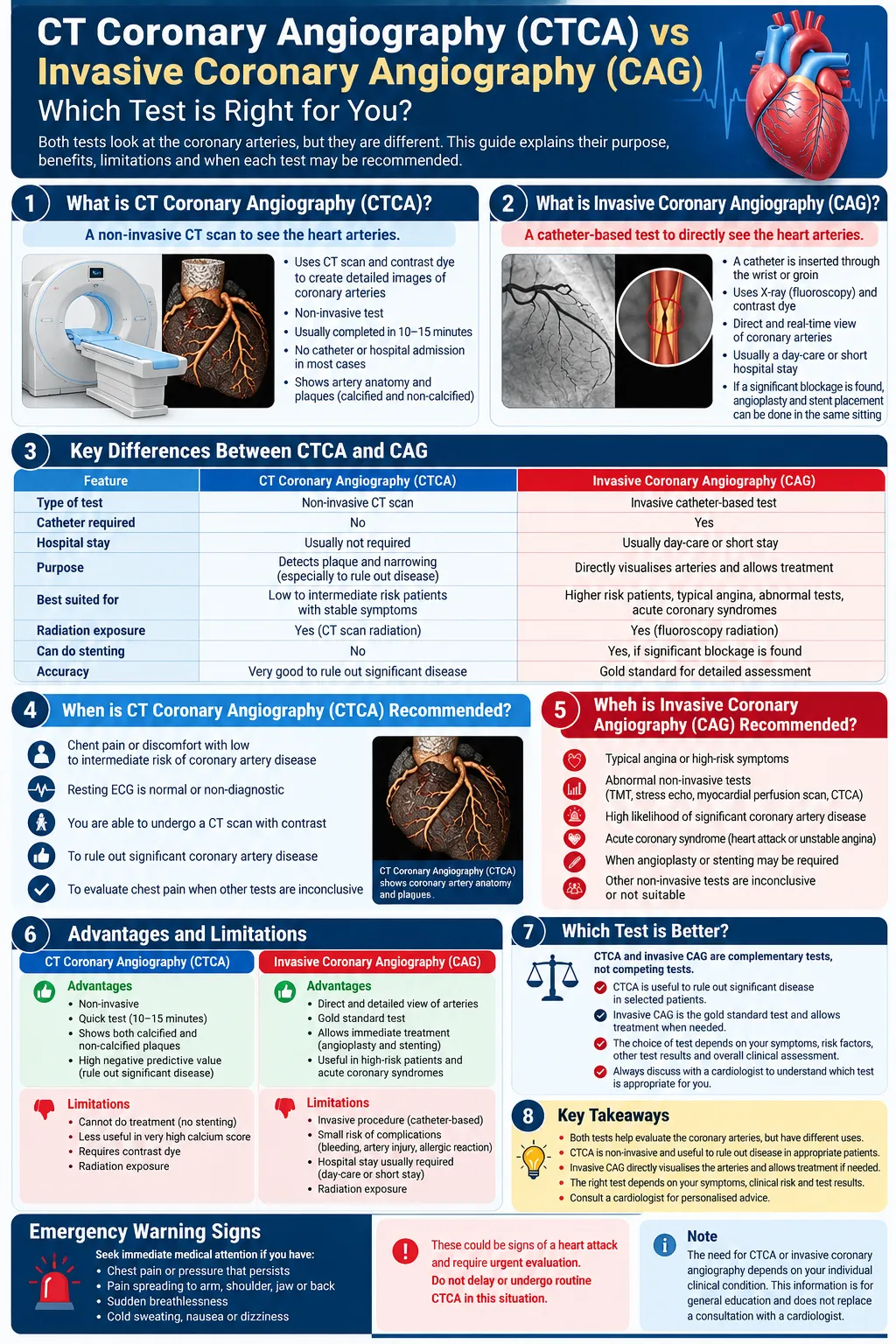
CT Coronary Angiography vs Invasive Coronary Angiography: Which Test Is Right for You?When evaluating possible coronary artery disease, two commonly d... ( Read More )