Medical Services
The Largest online database of patient reviews for doctors, facilities and online Appointment.


Frozen Shoulder Orthopaedic Care Diagnosis Treatment and Recovery
Frozen shoulder, also known as adhesive capsulitis, is a common orthopaedic condition that causes pain, stiffness, and restricted movement of the shoulder joint. It develops when the shoulder capsule becomes inflamed and tight, leading to the formation of adhesions that limit normal motion. This condition most often affects adults between 40 and 60 years of age and is more common in people with diabetes, thyroid disorders, or those who have had prolonged shoulder immobilisation after injury or surgery. Best Frozen Shoulder Pain Specialist in Faridabad.
From an orthopaedic perspective, frozen shoulder is typically diagnosed through clinical examination. Patients present with gradual onset shoulder pain followed by progressive stiffness, especially difficulty in lifting the arm or rotating it outward. Imaging tests such as X-rays or MRI may be advised to rule out arthritis, rotator cuff tears, or other structural problems.
Treatment is primarily non-surgical and focuses on pain control and restoring mobility. Anti-inflammatory medications, corticosteroid injections, and structured physiotherapy play a key role in recovery. Gentle stretching and range-of-motion exercises help prevent further stiffness and gradually improve function. In cases where conservative treatment fails, orthopaedic interventions such as hydrodilatation, manipulation under anaesthesia, or arthroscopic capsular release may be recommended. With timely orthopaedic care, most patients achieve significant pain relief and regain shoulder movement. Top Shoulder Orthopaedic Care in Faridabad.
Frozen shoulder, medically known as adhesive capsulitis, is a painful and disabling condition characterised by progressive stiffness and restricted movement of the shoulder joint. It commonly affects adults between the ages of 40 and 60 and is seen more frequently in women and individuals with diabetes, thyroid disorders, or prolonged shoulder immobilisation. Orthopaedic evaluation plays a crucial role in accurate diagnosis and timely management to prevent long-term disability.
Understanding Frozen Shoulder
The shoulder is a ball-and-socket joint surrounded by a flexible capsule. In frozen shoulder, this capsule becomes inflamed, thickened, and tight, forming adhesions that limit joint mobility. The condition typically progresses through three stages:
1. Freezing stage: Increasing pain and gradual loss of motion
2. Frozen stage: Pain may reduce, but stiffness becomes severe
3. Thawing stage: Slow improvement in movement over months
Without appropriate treatment, recovery can take one to three years.
Orthopaedic Diagnosis
Diagnosis of frozen shoulder is primarily clinical. Orthopaedic specialists assess shoulder pain, stiffness, and significant limitation of both active and passive movements, especially external rotation. A detailed medical history helps identify risk factors such as diabetes, recent surgery, or trauma.
Imaging investigations are used to rule out other conditions. X-rays help exclude arthritis or fractures, while MRI or ultrasound may show capsular thickening or associated rotator cuff pathology. Early and accurate diagnosis is essential to initiate the correct treatment plan. Top Shoulder Pain Specialist in Faridabad.
Non-Surgical Orthopaedic Treatment
Most cases of frozen shoulder are managed successfully without surgery. Treatment focuses on pain relief and restoring shoulder mobility.
Advanced and Surgical Options
If symptoms persist despite conservative treatment for several months, orthopaedic specialists may consider advanced interventions. These include hydrodilatation, where fluid is injected to stretch the capsule, or manipulation under anaesthesia to break adhesions. In resistant cases, arthroscopic capsular release is performed to surgically loosen the tightened capsule, offering faster recovery.
Conclusion
Frozen shoulder is a self-limiting but potentially prolonged condition that can significantly affect daily life. Early orthopaedic diagnosis and a structured treatment approach combining medication, physiotherapy, and targeted interventions ensure optimal pain relief, restored mobility, and improved quality of life. Top Orthopedic Shoulder Pain in Faridabad.

Blood tests are commonly used to understand different aspects of a person's health. Doctors may recommend them to investigate symptoms, monitor existi... ( Read More )
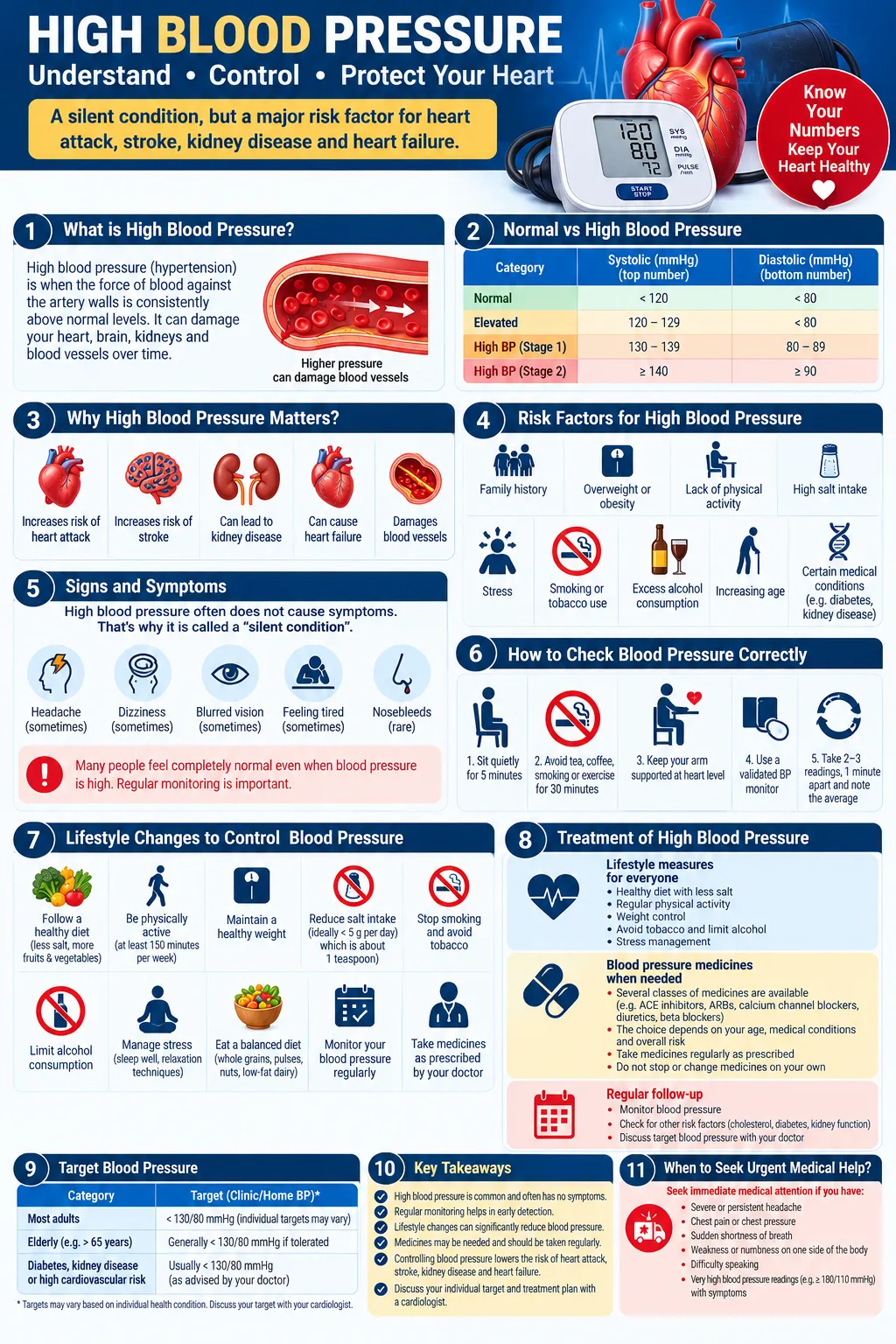
High Blood Pressure: Symptoms, Causes, Treatment and PreventionHigh blood pressure, also known as hypertension, is one of the most common cardiovascul... ( Read More )
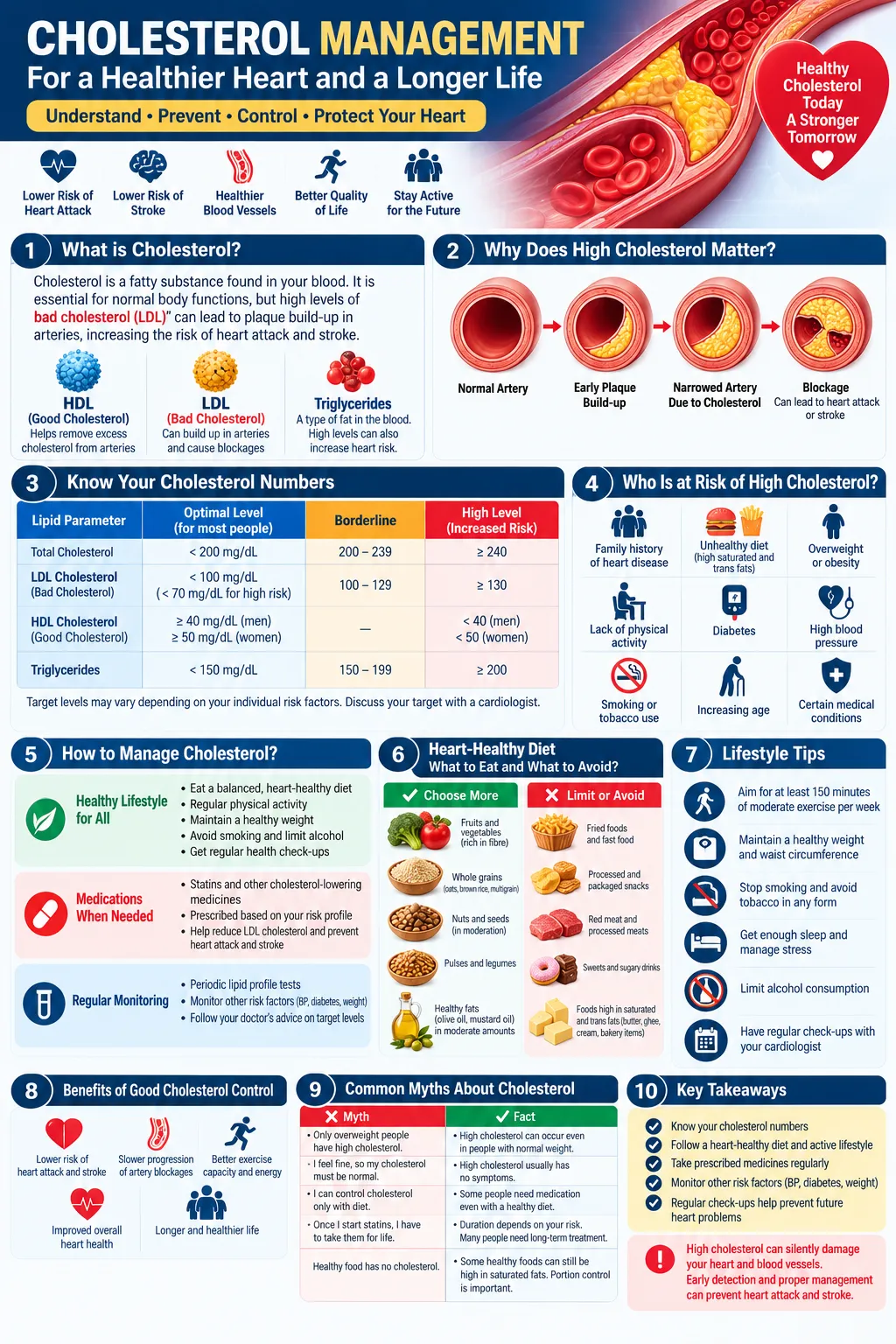
Cholesterol Management: A Cardiologist’s Guide to Healthy Cholesterol LevelsHigh cholesterol is a common health concern that can increase the risk o... ( Read More )
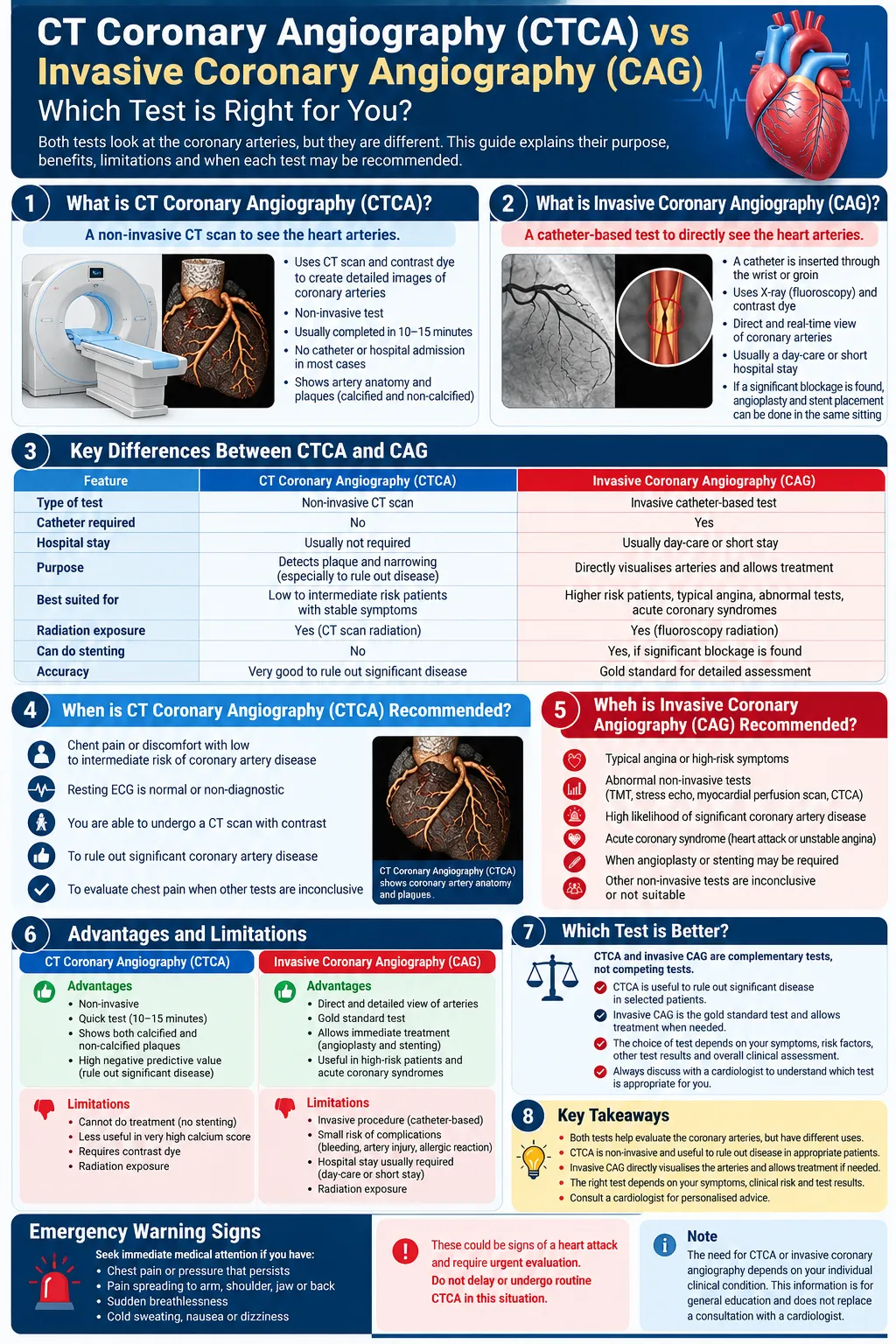
CT Coronary Angiography vs Invasive Coronary Angiography: Which Test Is Right for You?When evaluating possible coronary artery disease, two commonly d... ( Read More )