Medical Services
The Largest online database of patient reviews for doctors, facilities and online Appointment.


Salt is a common part of our daily diet, but too much of it can silently harm your health—especially your kidneys. Many people do not realize that excess salt can affect kidney function by increasing blood pressure and disturbing the body’s fluid balance.
If you are already undergoing High BP Treatment in Vijayawada, managing your salt intake becomes even more important to protect your kidneys from long-term damage.
Your kidneys play a vital role in maintaining the balance of fluids and minerals in your body. One of their key functions is to control the amount of sodium (salt) in your bloodstream.
Here’s how it works:

When you consume too much salt, your kidneys have to work harder to remove the extra sodium. Over time, this added stress can reduce their efficiency.
A qualified Nephrologist in Vijayawada can help you understand how your kidney function is affected and guide you toward healthier habits.
Eating too much salt regularly can have serious effects on your body, especially your kidneys.
Major impacts include:
If left untreated, this can lead to serious conditions requiring Chronic kidney failure treatment in Vijayawada.
While high salt intake can affect anyone, some people are more vulnerable to kidney damage.
High-risk groups include:
If you fall into any of these categories, it is important to regularly consult a Nephrology specialist in Vijayawada to monitor your kidney health.
According to health guidelines, the recommended daily salt intake is about 5 grams (one teaspoon) per day. However, many people consume much more than this without realizing it.
Hidden sources of salt:
Even foods that don’t taste salty can contain high amounts of sodium, making it important to read labels carefully.
Experts at Sunrise Kidney Centre often advise patients to be aware of these hidden sources to better manage their intake.
Reducing salt does not mean compromising on taste. Small changes in your diet can make a big difference.
Simple and effective tips:
Following these steps can help reduce the burden on your kidneys and improve overall health.
High salt intake and kidney stress may not show immediate symptoms, but over time, you may notice:
If you experience these symptoms, it is important to seek medical advice early.
For expert consultation, you can consider reaching out to Dr. M.V. Sai Krishna, who specializes in kidney-related conditions and personalized treatment plans.
Kidney damage develops slowly and often goes unnoticed until it becomes severe. By controlling your salt intake and monitoring your health, you can prevent complications and maintain healthy kidney function.
Early lifestyle changes are much easier than dealing with advanced kidney disease later.
Yes, high salt intake does affect kidney function. It increases blood pressure, causes fluid imbalance, and puts long-term stress on your kidneys. The good news is that simple dietary changes can make a big difference.
If you are concerned about your kidney health or have risk factors like high blood pressure or diabetes, consult a specialist for proper guidance. Personalized care can help you protect your kidneys and live a healthier life.
Reducing salt today can safeguard your kidneys for tomorrow.

Heart disease has been the main source of death in India for over twenty years fuelled by unhealthy eating regimens prompting Diabetes, hypertension a... ( Read More )
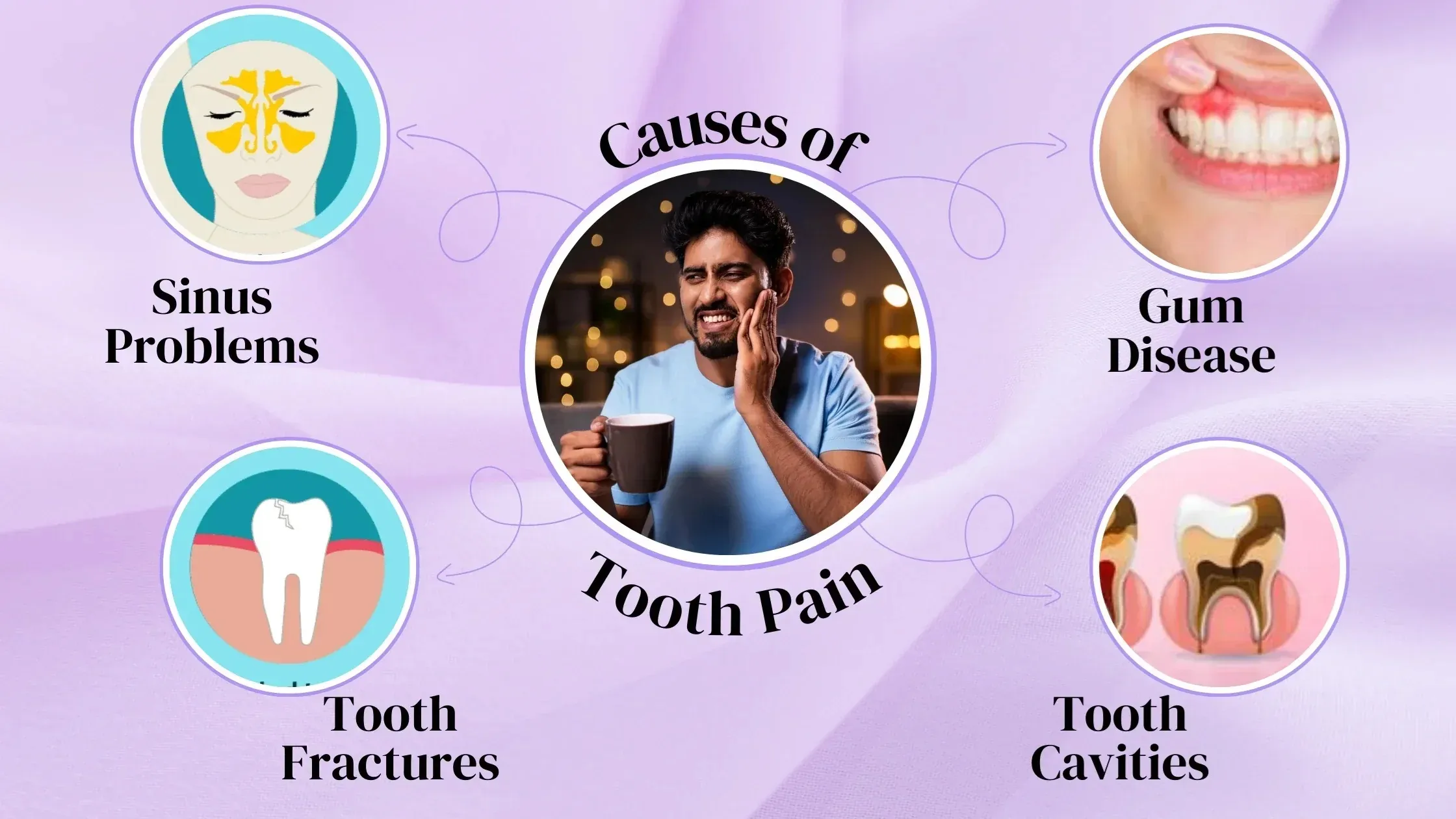
Pain in the teeth can be one of the agonising experiences that can disturb your daily life. Ignoring such pain in teeth can cause serious dental probl... ( Read More )

Mouth ulcer or canker sores are painful, making your daily life difficult to eat foods or consume various food items, especially spicy items. Though a... ( Read More )

Salt is a common part of our daily diet, but too much of it can silently harm your health—especially your kidneys. Many people do not realize that e... ( Read More )