Medical Services
The Largest online database of patient reviews for doctors, facilities and online Appointment.


Orthopaedic Management of Sciatica Pain
Sciatica pain arises from compression or irritation of the sciatic nerve, typically due to a herniated lumbar disc, spinal stenosis, or piriformis syndrome, causing radiating discomfort from the lower back through the buttock and leg. Orthopaedic specialists diagnose it via clinical tests like straight-leg raise, combined with MRI or X-rays to identify the precise pathology. Best Sciatica pain in Faridabad.
Conservative Treatments
Initial management emphasizes non-surgical approaches for 80-90% of cases resolving within weeks. NSAIDs like ibuprofen reduce inflammation, while muscle relaxants and gabapentinoids target nerve pain. Physiotherapy focuses on McKenzie exercises, core strengthening, and neural mobilizations to alleviate nerve tension and improve posture.?
Advanced Interventions
Persistent symptoms may warrant epidural steroid injections for targeted anti-inflammatory relief, often under fluoroscopy. These bridge to better rehab participation.?
Surgical Options
Surgery, such as microdiscectomy or laminectomy, is reserved for cauda equina syndrome, severe weakness, or failed conservative care after 6-12 weeks. Minimally invasive techniques minimize recovery time. Top Ortho Specialist in Faridabad.
Prevention Strategies
Long-term relief involves weight control, ergonomic adjustments, and regular low-impact exercises like walking or yoga to fortify spinal stability. Early orthopaedic consultation optimizes outcomes and curbs chronicity.
Orthopaedic Approach for Diagnosis Treatment and Prevention of Sciatica
Sciatica refers to pain radiating from the lower back down the leg due to irritation or compression of the sciatic nerve roots in the lumbar spine. Orthopaedic specialists focus on identifying the underlying cause, such as a herniated disc, spinal stenosis, degenerative changes or instability, before planning treatment. A detailed history, clinical examination and investigations like X?ray or MRI help pinpoint the exact level and severity of nerve compression.?
Initial orthopaedic management is usually conservative, especially in mild to moderate cases without red flag signs like bowel or bladder involvement or progressive weakness. Short courses of non?steroidal anti?inflammatory drugs, neuropathic pain medications, muscle relaxants and sometimes oral steroids are used to control pain and inflammation around the irritated nerve root. Activity modification, avoiding heavy lifting and prolonged sitting, and using lumbar support or ergonomic seating are advised rather than prolonged bed rest.?
Physiotherapy plays a central role in orthopaedic care of sciatica, aiming to improve spinal alignment, core strength and flexibility. Supervised exercises include gentle lumbar extension or flexion protocols, hamstring stretches and core?stabilising routines along with techniques like traction, manual mobilisations and soft?tissue release to reduce nerve tension. Heat or cold therapy, posture training and graded return to walking, swimming or low?impact aerobic activity help maintain conditioning while symptoms settle.?
For patients with persistent or severe pain despite adequate conservative therapy, orthopaedic doctors may recommend interventional procedures. Epidural or selective nerve?root corticosteroid injections target inflammation around the compressed nerve, often providing significant but temporary relief that allows better participation in physiotherapy. These procedures are done under imaging guidance to improve accuracy and reduce complications, and their frequency is limited over a year.?
Surgical management is considered when there is significant neurological deficit, intractable pain, or failure of conservative treatment over several weeks to months. Common orthopaedic spine surgeries include microdiscectomy to remove the herniated part of the disc, and laminectomy to decompress the spinal canal in cases of spinal stenosis. Many of these operations can be performed using minimally invasive techniques, which aim to reduce muscle damage, speed recovery and shorten hospital stay.? Lower back pain with sciatica in Faridabad.
Long?term orthopaedic management focuses on preventing recurrence by addressing biomechanical and lifestyle factors. Patients are counselled on weight reduction, regular back and core?strengthening exercises, safe lifting techniques and workplace ergonomics to reduce future stress on the lumbar spine. With timely orthopaedic evaluation and a structured, stage?wise approach, most individuals with sciatica can achieve substantial and lasting relief from pain and improved functional capacity.

Blood tests are commonly used to understand different aspects of a person's health. Doctors may recommend them to investigate symptoms, monitor existi... ( Read More )
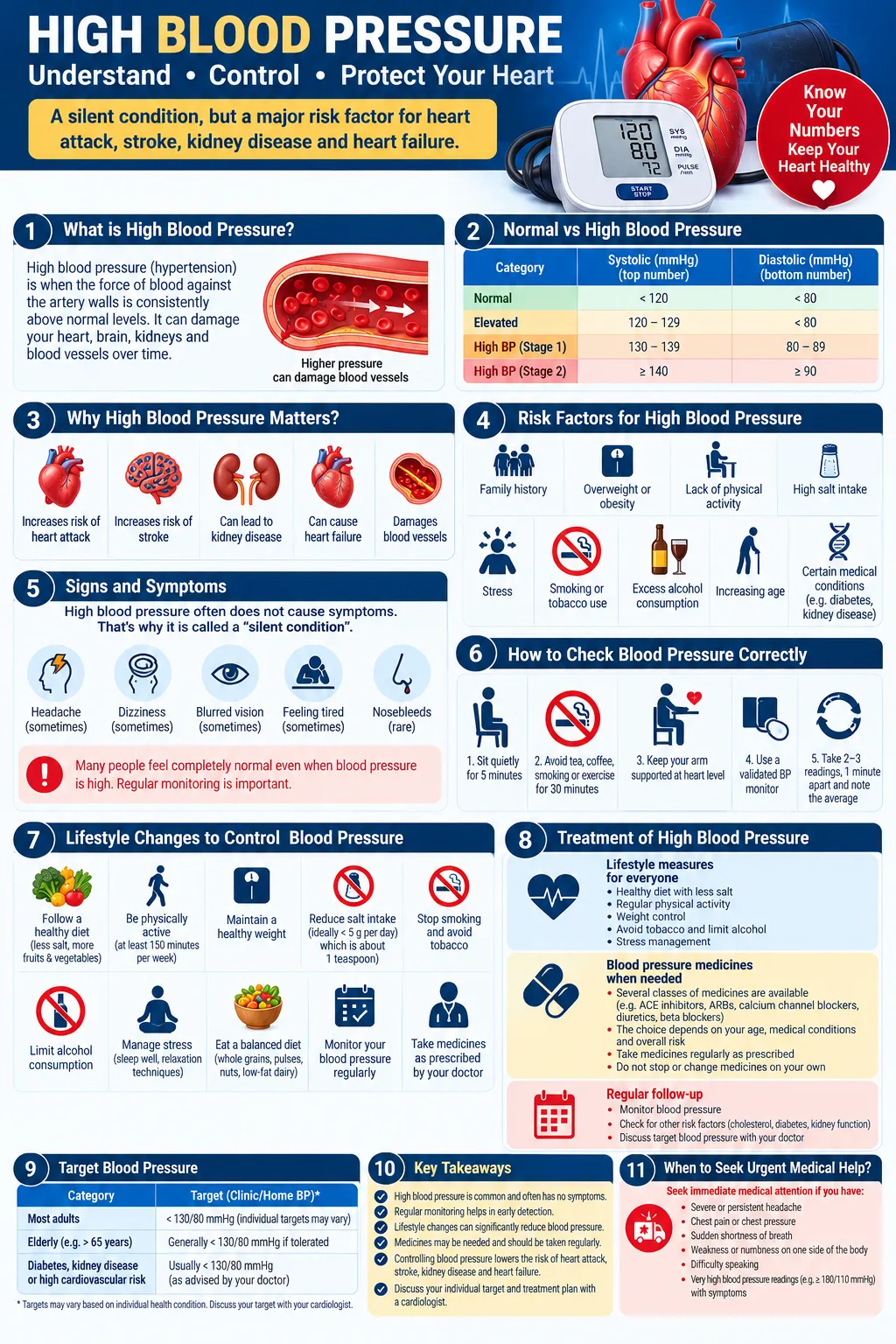
High Blood Pressure: Symptoms, Causes, Treatment and PreventionHigh blood pressure, also known as hypertension, is one of the most common cardiovascul... ( Read More )
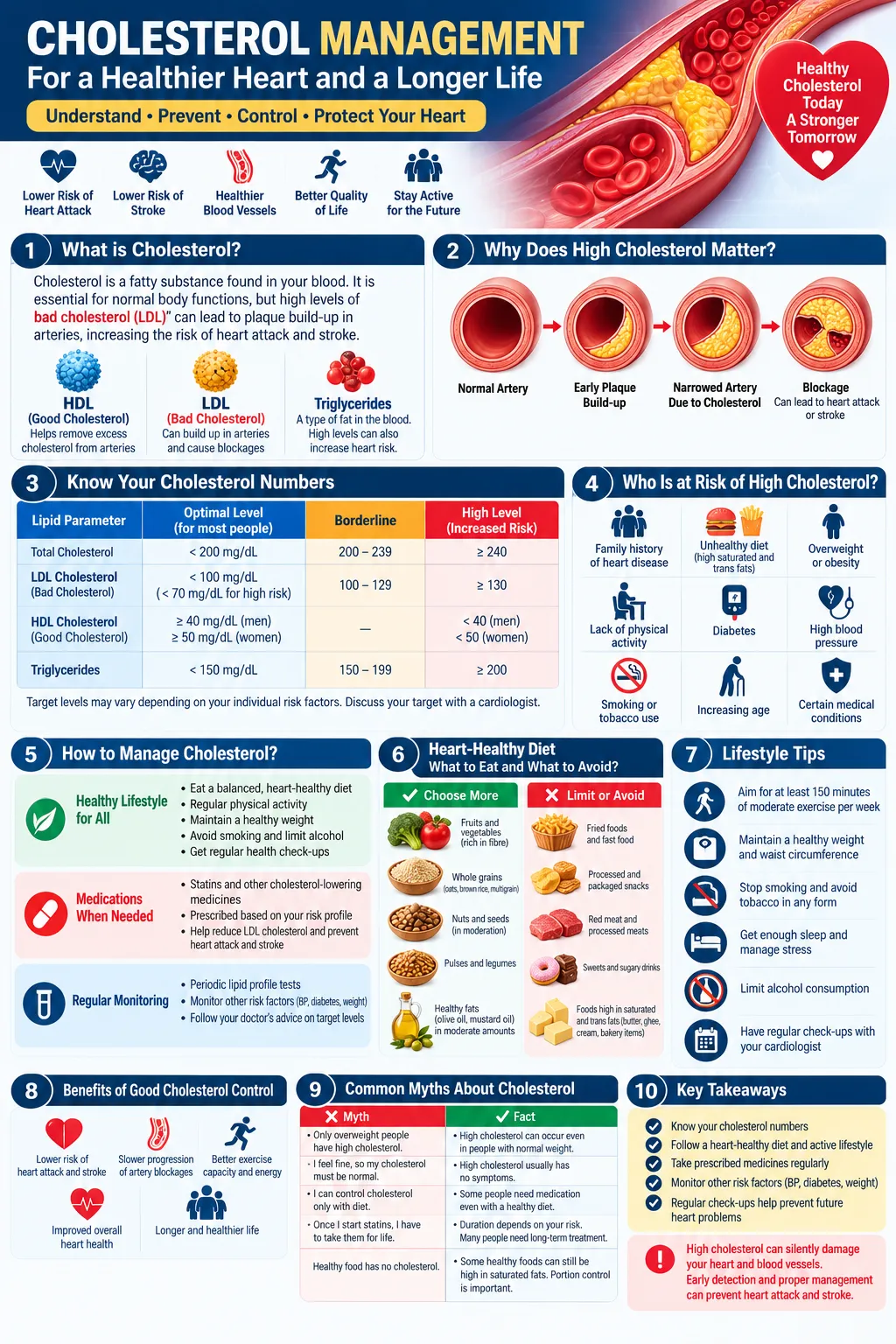
Cholesterol Management: A Cardiologist’s Guide to Healthy Cholesterol LevelsHigh cholesterol is a common health concern that can increase the risk o... ( Read More )
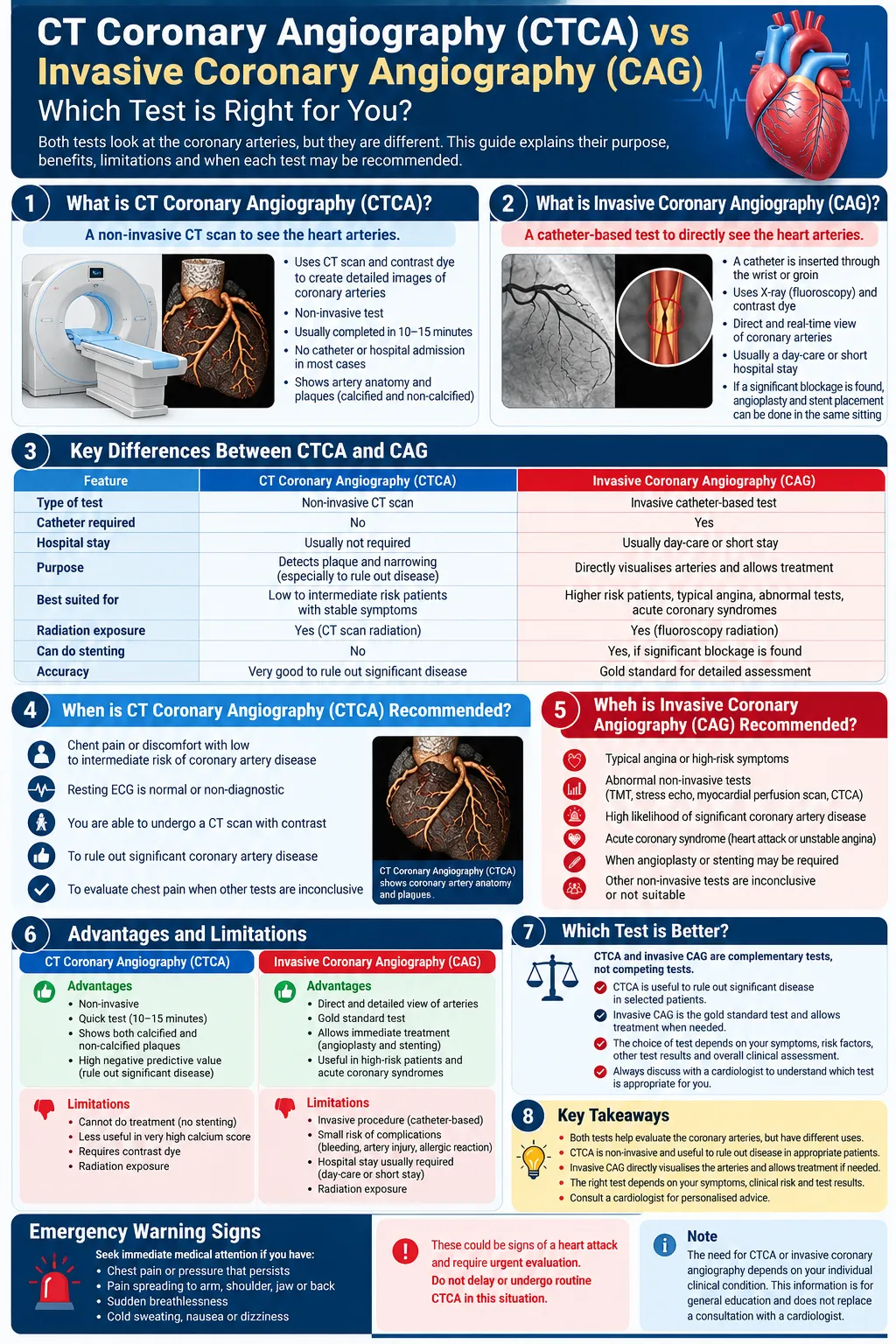
CT Coronary Angiography vs Invasive Coronary Angiography: Which Test Is Right for You?When evaluating possible coronary artery disease, two commonly d... ( Read More )