Medical Services
The Largest online database of patient reviews for doctors, facilities and online Appointment.


Selective Estrogen Receptor Modulators (SERMs) in Hormonal Therapy
Selective Estrogen Receptor Modulators (SERMs) are a vital component of hormonal therapy, especially for managing hormone receptor-positive breast cancers. SERMs, such as tamoxifen, raloxifene, and toremifene, work by selectively binding to estrogen receptors in the body. In breast tissue, SERMs act as estrogen antagonists, blocking the hormone’s ability to fuel cancer cell growth and proliferation. This makes them highly effective in reducing recurrence and preventing new breast cancers, particularly in both premenopausal and postmenopausal women. Best Breast Cancer Specialist in Faridabad.
Interestingly, SERMs can act as estrogen agonists in other tissues such as bone and liver, helping maintain bone density and reduce cholesterol levels. Tamoxifen is a principal SERM used in adjuvant therapy and risk reduction for estrogen receptor-positive breast cancers, while raloxifene is preferred for postmenopausal women to lower osteoporosis risk and reduce breast cancer likelihood. Despite their benefits, SERMs may present side effects like hot flashes and increased clot risk, emphasizing the importance of individualized therapy selection. Overall, SERMs demonstrate significant promise in both cancer treatment and prevention. Experienced cancer doctor for breast cancer in Faridabad.
Aromatase inhibitors and Selective Estrogen Receptor Modulators (SERMs) are pivotal in hormonal therapy, especially for hormone receptor-positive breast cancers. Both drug classes target estrogen pathways but use distinctly different mechanisms to achieve anti-cancer effects.
Aromatase Inhibitors: Mechanism and Clinical Role
Aromatase inhibitors (AIs)—including anastrozole, letrozole, and exemestane—block the aromatase enzyme, which converts androgens to estrogen, thereby significantly reducing estrogen levels in the body. They are primarily prescribed for postmenopausal women, as ovarian estrogen production is minimal after menopause, making peripheral aromatization the main estrogen source. By lowering estrogen, AIs deprive hormone receptor-positive breast cancer cells of the hormone necessary for their growth and proliferation. Besides cancer, AIs have applications in treating conditions like endometriosis and certain cases of male infertility by modulating estrogen synthesis. Top Cancer Treatment in Faridabad.
SERMs: Mechanism and Therapeutic Applications
SERMs—such as tamoxifen and raloxifene—function by binding to estrogen receptors, exhibiting agonist or antagonist effects depending on the tissue type. In breast tissue, SERMs act as antagonists, preventing estrogen from stimulating cancer growth, which is critical in ER-positive breast cancers. Conversely, in bone and cardiovascular tissues, some SERMs act as agonists—thus supporting bone density and reducing osteoporosis risk, especially in postmenopausal women. This selective activity makes SERMs versatile: besides oncology, they are used for osteoporosis prevention, managing menopausal symptoms, and even in certain infertility protocols. Affordable Cancer Consultation in Gurgaon.
Comparative Clinical Impact
While both agent classes lower the influence of estrogen on breast cancer cells, SERMs are used in both pre- and postmenopausal settings, with tamoxifen being effective irrespective of menopause status. Aromatase inhibitors, however, are indicated mainly for postmenopausal women, offering superior outcomes in terms of recurrence prevention among this population. Syndrome-wise, SERMs may cause gastrointestinal upset, risk of thromboembolic events, and rarely, uterine cancer (with tamoxifen). AIs can lead to musculoskeletal complaints and reduced bone density.
Evolving Therapeutic Landscape
Newer SERMs (such as ospemifene, lasofoxifene, bazedoxifene) are being trialed to broaden beneficial effects while minimizing adverse outcomes. Likewise, innovative aromatase inhibitors are under investigation for enhanced efficacy and reduced systemic impact. Top cancer specialist for head and neck tumors in Faridabad.

Blood tests are commonly used to understand different aspects of a person's health. Doctors may recommend them to investigate symptoms, monitor existi... ( Read More )
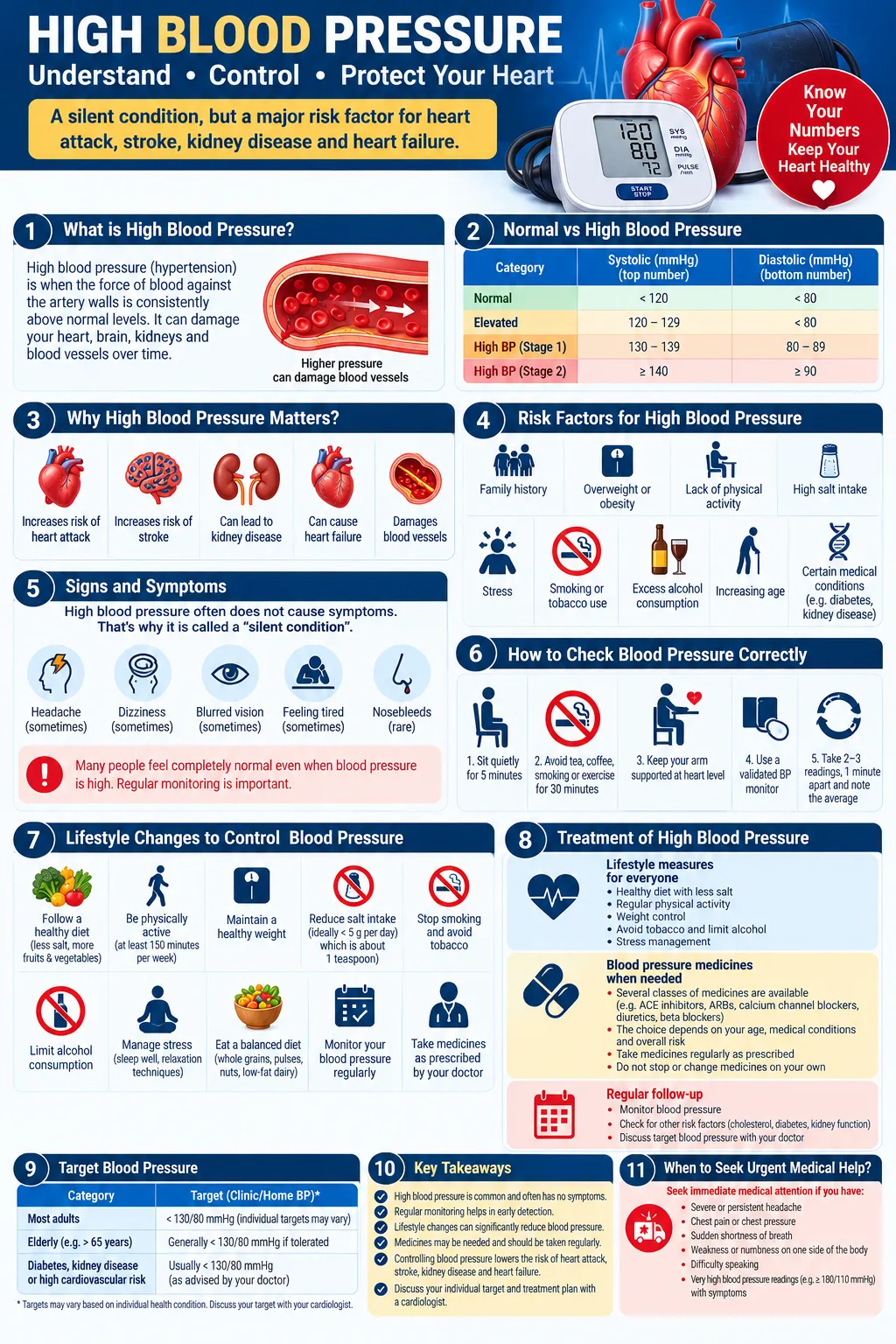
High Blood Pressure: Symptoms, Causes, Treatment and PreventionHigh blood pressure, also known as hypertension, is one of the most common cardiovascul... ( Read More )
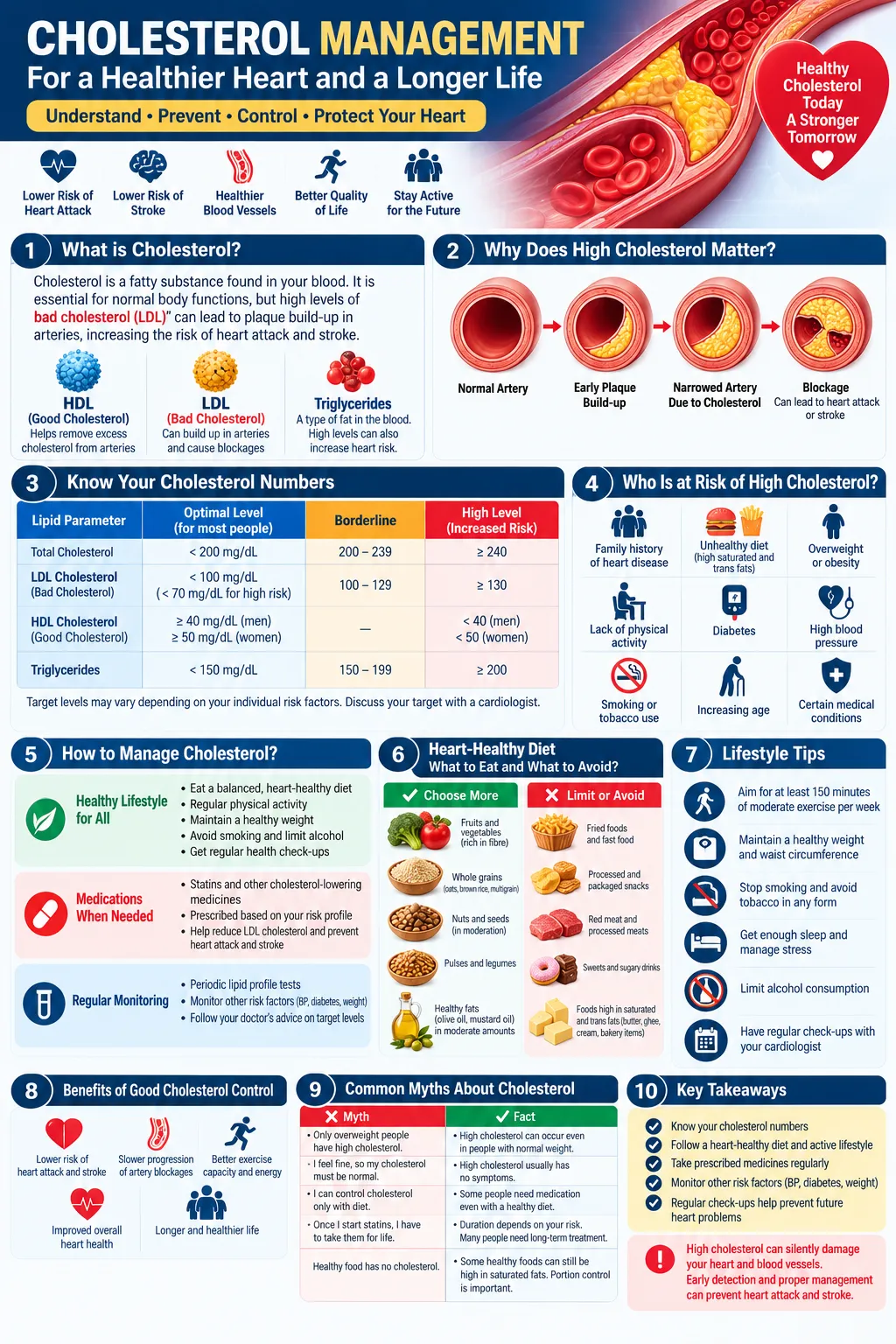
Cholesterol Management: A Cardiologist’s Guide to Healthy Cholesterol LevelsHigh cholesterol is a common health concern that can increase the risk o... ( Read More )

CT Coronary Angiography vs Invasive Coronary Angiography: Which Test Is Right for You?When evaluating possible coronary artery disease, two commonly d... ( Read More )