Medical Services
The Largest online database of patient reviews for doctors, facilities and online Appointment.


Endoscopic retrograde cholangiopancreatography (ERCP) is a highly specialised gastrointestinal test that is used to find and treat problems with the bile ducts, gallbladder, and pancreas. ERCP is different from regular endoscopic procedures since it uses both endoscopy and fluoroscopic imaging to see and treat problems. Best ERCP doctor for bile duct cancer in Faridabad.
A flexible, side-viewing endoscope is introduced into the mouth and the duodenum during ERCP. Then, a contrast dye is put into the bile and pancreatic ducts, which lets X-ray images be taken in real time. This helps find obstructions, stones, strictures, or tumours that could be causing symptoms like jaundice, stomach pain, or pancreatitis.
The fact that ERCP can help people is what makes it special. It lets gastroenterologists find issues and fix them right away, including getting rid of gallstones, putting in stents, or draining abscesses. This dual function makes ERCP an important technique for treating complicated liver, bile duct, and pancreatic problems.
ERCP is effective but rarely used due to its complexity and risk. It is done by experienced professionals in advanced care settings. For those who have problems with their bile ducts or pancreas, ERCP is a minimally invasive but powerful treatment in the field of gastroenterology.
Is the technique useful thus far?
Endoscopic retrograde cholangiopancreatography (ERCP) is a specialised gastroenterological procedure that uses both endoscopy and fluoroscopy to find and treat problems with the bile ducts, gallbladder, and pancreas. ERCP is different from other gastrointestinal (GI) procedures because it can be used for both diagnosis and treatment.
ERCP is different from typical procedures like colonoscopy, gastroscopy, or endoscopic ultrasound (EUS) because it lets doctors directly intervene in the biliary and pancreatic ducts. This involves getting rid of gallstones, putting in stents, curing strictures, and even draining infections. Top gallstone-ercp Specialist in Faridabad.
Diagnostic Power with Therapeutic Scope
This imaging is very important for finding leaks, blockages, stones, tumours, and other problems that routine endoscopy or imaging, like CT or MRI alone, can't find. But ERCP does even more than that; it lets gastroenterologists treat the problem right now after they find it.
If a stone is located in the bile duct, for instance, it can be taken out right away.Other techniques, such as MRCP (Magnetic Resonance Cholangiopancreatography), just give pictures and need more operations to treat the problem.
Comparing ERCP to Other Procedures:
• Colonoscopy lets doctors look at the colon and take out polyps or biopsy material. It doesn't go to the biliary or pancreatic system.
• Gastroscopy lets you see the oesophagus, stomach, and duodenum, but it can't get to the ducts.
• EUS can use ultrasound to take pictures of adjacent organs, but it can't treat problems in the ducts unless it is used alongside more advanced procedures.
• MRCP and CT scans are imaging tests that don't require any surgery, but they can't resolve any problems they find.
Very complicated, very valuable.
ERCP is only done when it may help, as it is difficult and can cause issues like bleeding, pancreatitis, and infections. Highly trained gastroenterologists usually do it in designated places.
In conclusion,
ERCP is different from previous GI procedures because it can do two things at once: it can provide accurate images and immediate treatment options. It is essential for treating complicated liver, bile duct, and pancreas problems that would otherwise need many steps or procedures. For patients with bile duct obstructions, pancreatic ductal difficulties, or gallstone complications, ERCP is still the best way to treat these problems in modern gastroenterology.Best gastroenterologist for ERCP in Faridabad.

Blood tests are commonly used to understand different aspects of a person's health. Doctors may recommend them to investigate symptoms, monitor existi... ( Read More )
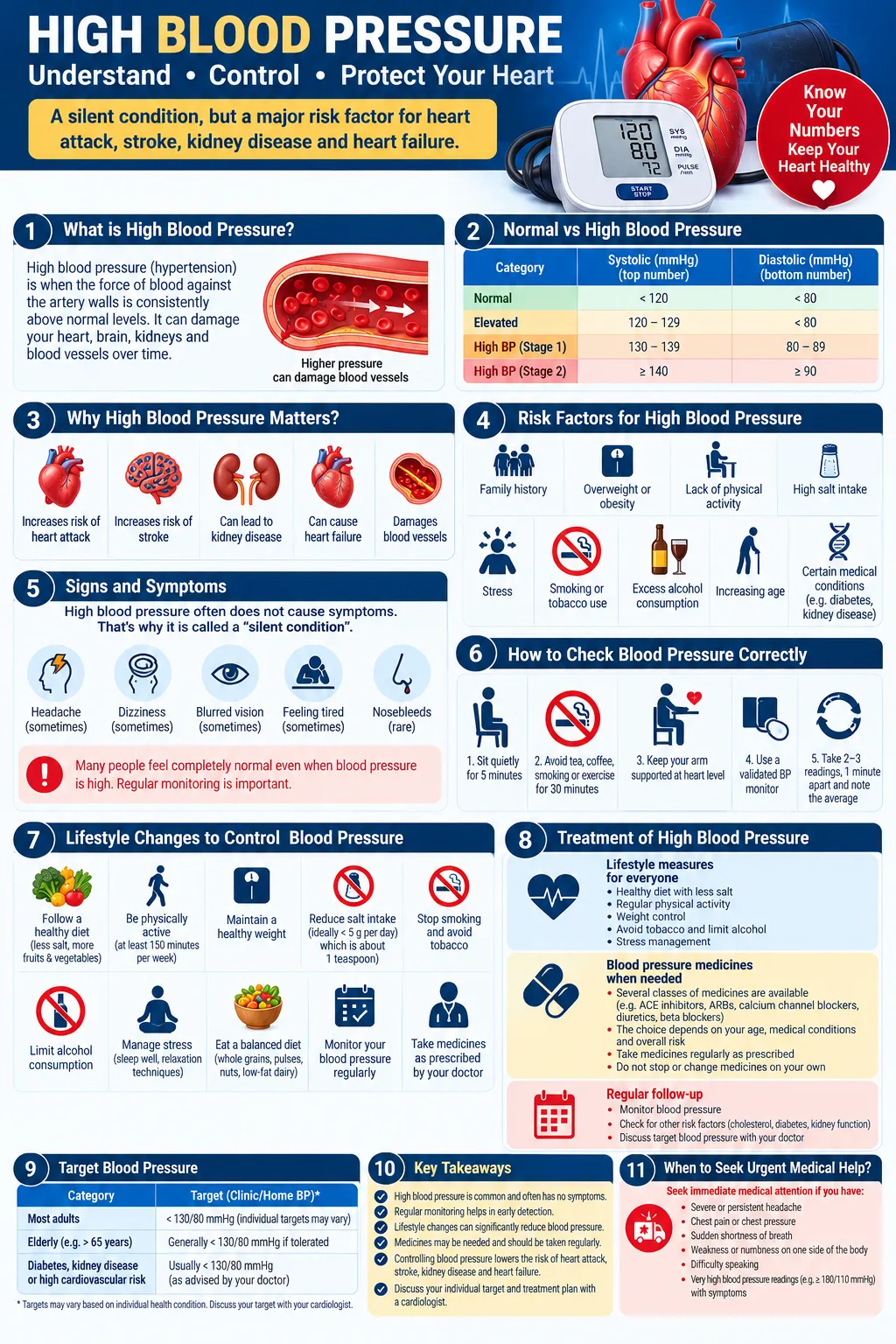
High Blood Pressure: Symptoms, Causes, Treatment and PreventionHigh blood pressure, also known as hypertension, is one of the most common cardiovascul... ( Read More )
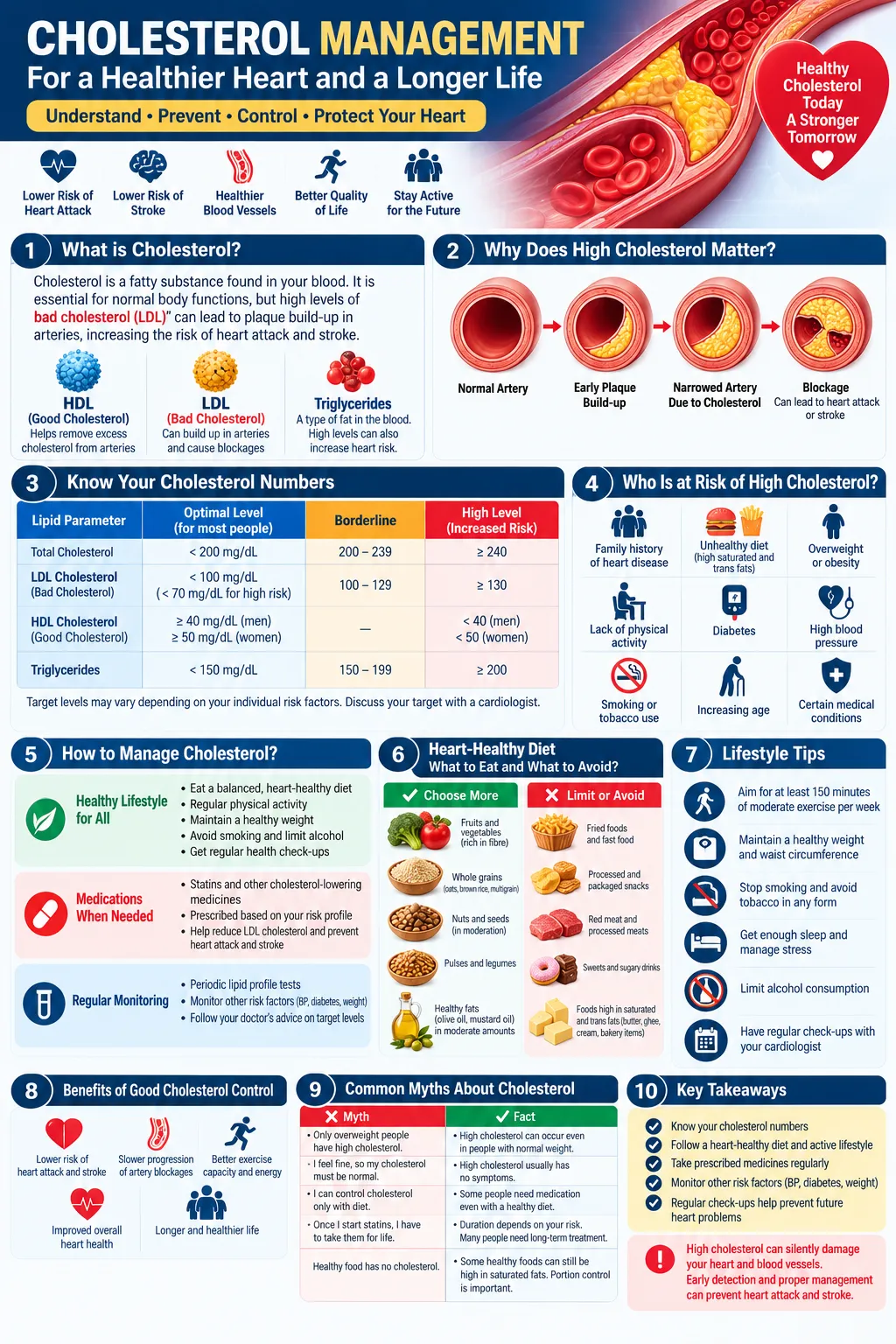
Cholesterol Management: A Cardiologist’s Guide to Healthy Cholesterol LevelsHigh cholesterol is a common health concern that can increase the risk o... ( Read More )
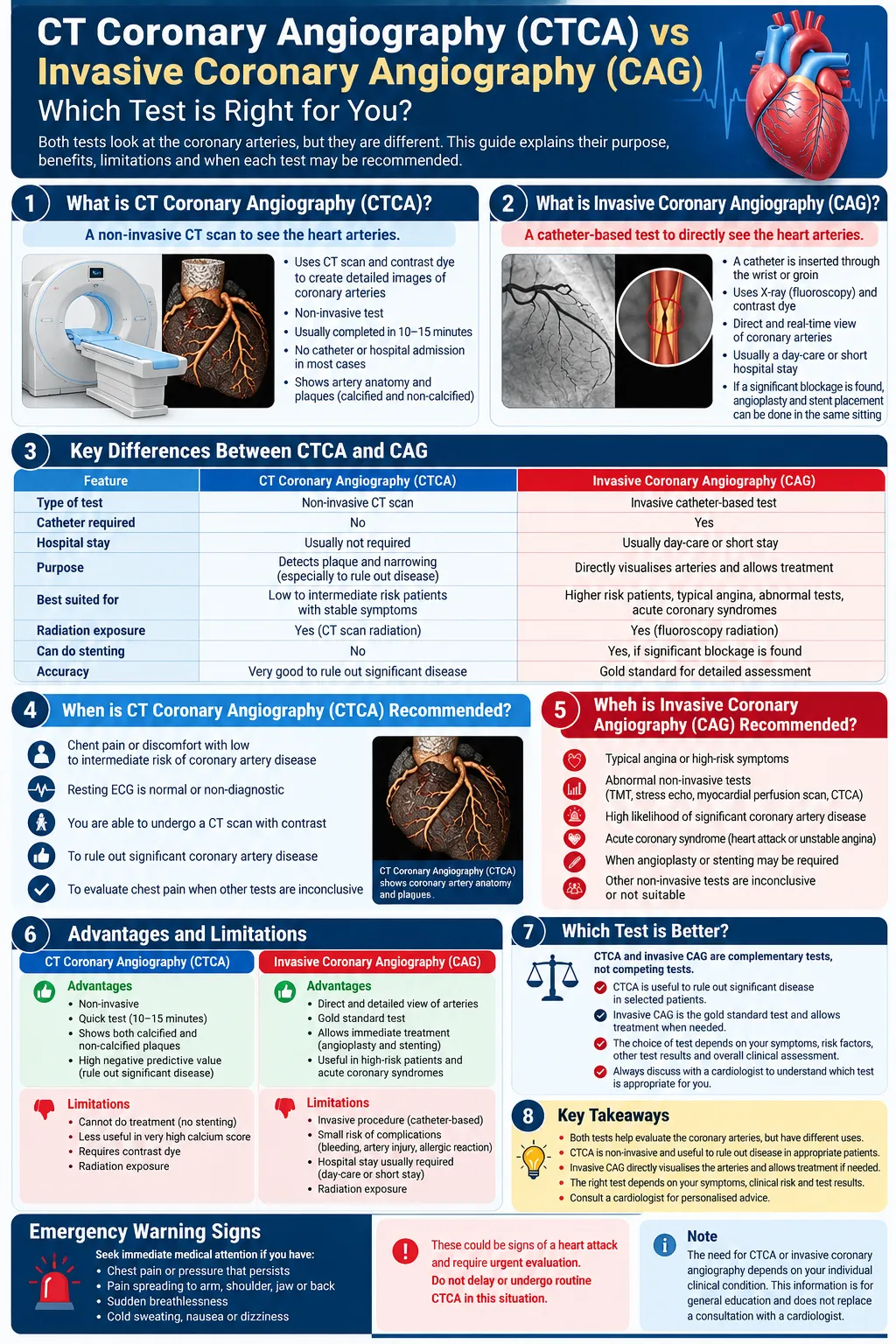
CT Coronary Angiography vs Invasive Coronary Angiography: Which Test Is Right for You?When evaluating possible coronary artery disease, two commonly d... ( Read More )