Medical Services
The Largest online database of patient reviews for doctors, facilities and online Appointment.


Both Liver Biopsy and FibroScan are useful ways to check the health of the liver. A needle is used to take a small piece of tissue from the liver for a liver biopsy. This invasive operation is still the best way to find out if someone has cirrhosis, hepatitis, or fatty liver disease. It gives very precise information about how bad the liver damage or fibrosis is. Best Liver Biopsy Specialist in Faridabad.
FibroScan, on the other hand, is a rapid, painless, and non-invasive test that uses transient elastography to detect liver stiffness. It helps find and stage liver fibrosis without the hazards of a biopsy, such as bleeding or getting an infection. FibroScan is especially helpful for keeping an eye on long-term liver problems and checking the health of the liver in those who need to see a doctor often.
Liver biopsy gives very detailed information on a microscopic level; however, FibroScan is a safer and more pleasant option for many patients. The decision between the two relies on the clinical context, necessary precision, and the patient's state. FibroScan is becoming a more popular way to check the liver for the first time, especially in outpatient settings. Best FibroScan Specialist in faridabad.
FibroScan and conventional liver biopsy are both useful methods that gastroenterologists employ to check the health of the liver. But they differ in their operation, accuracy, safety, and overall patient care. Here is a full comparison from the perspective of an expert. Benefits of FibroScan over Liver Biopsy in Faridabad
What does FibroScan mean?
It uses painless ultrasound technology to get speedy and accurate findings, usually in less than 10 minutes. No anaesthesia, hospitalisation, or recovery time is required.
What is a biopsy of the liver?
A classic liver biopsy involves putting a needle into the liver (usually via the skin) to get a small piece of tissue. Thereafter, a microscope is used to look for evidence of inflammation, fibrosis, or other problems in the sample. Despite its perceived superiority, this invasive procedure carries certain risks.
Gastroenterologist's Viewpoint: A Comparison of the Two
1. Correctness and Usefulness for Diagnosis
Liver biopsy delivers very precise histological information, which makes it the best way to find out what is wrong with the liver. However, due to the tiny size of the tissue, sampling errors can limit its accuracy.
FibroScan is very reliable for checking for fibrosis and steatosis in common illnesses, including hepatitis C and non-alcoholic fatty liver disease (NAFLD), even if it doesn't show microscopic details. It gives a more complete and accurate picture of the liver.
2. Safety and comfort.
FibroScan doesn't hurt, cause bleeding, or put you at risk of infection. This means that it can be checked on a regular basis.
A biopsy, on the other hand, is invasive and might cause problems like discomfort, bleeding inside the body, and infection. It often needs local anaesthesia and monitoring after the procedure.
3. How much it costs and how easy it is to get to
FibroScan is usually cheaper than a liver biopsy and can be done at outpatient clinics. More and more sophisticated gastroenterology offices are offering it.
A biopsy costs more and usually means going to the hospital, having tests done in a lab, and getting help from an expert.
4. Time and ease
You may get the results of a FibroScan right away, and it only takes 10 to 15 minutes.
It can take several hours for a biopsy to be done, and the findings may take much longer because of lab processing and recovery time.
When to Pick What?
A gastroenterologist recommends FibroScan for routine monitoring, staging fibrosis, and managing chronic liver disease when a rapid, safe examination is required. However, when a comprehensive histology is required, such as in cases of autoimmune hepatitis or liver tumours, a biopsy remains the optimal choice.
Final Thoughts
Both FibroScan and conventional liver biopsy are important tools for diagnosing liver problems. The choice relies on the clinical situation, the patient's health, and how much data is needed. FibroScan is quickly becoming a first-line, patient-friendly tool in today's gastroenterology practice. Biopsy, on the other hand, is still useful for complicated situations that need detailed tissue investigation. Top Liver Biopsy Specialist in Faridabad.

Blood tests are commonly used to understand different aspects of a person's health. Doctors may recommend them to investigate symptoms, monitor existi... ( Read More )
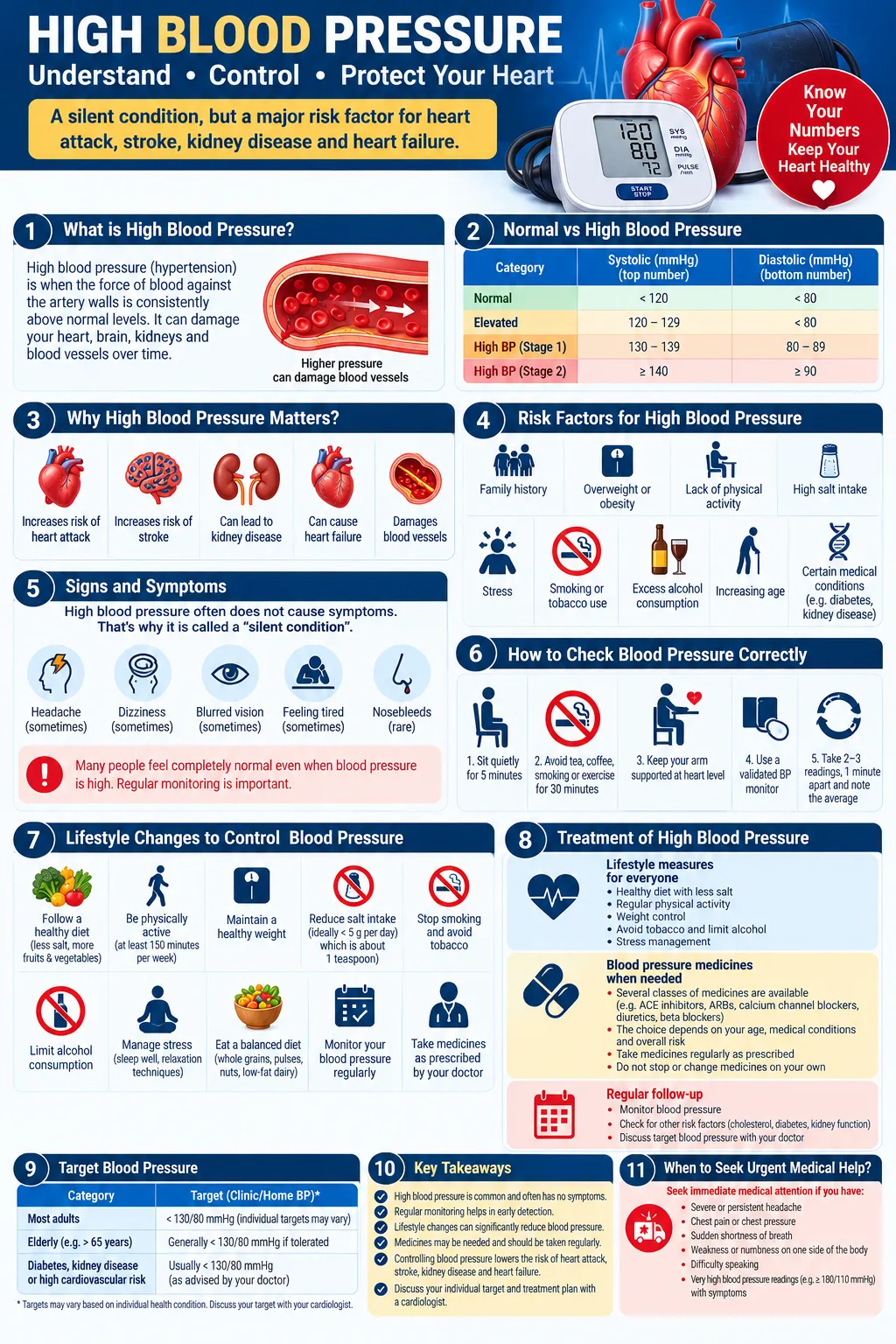
High Blood Pressure: Symptoms, Causes, Treatment and PreventionHigh blood pressure, also known as hypertension, is one of the most common cardiovascul... ( Read More )
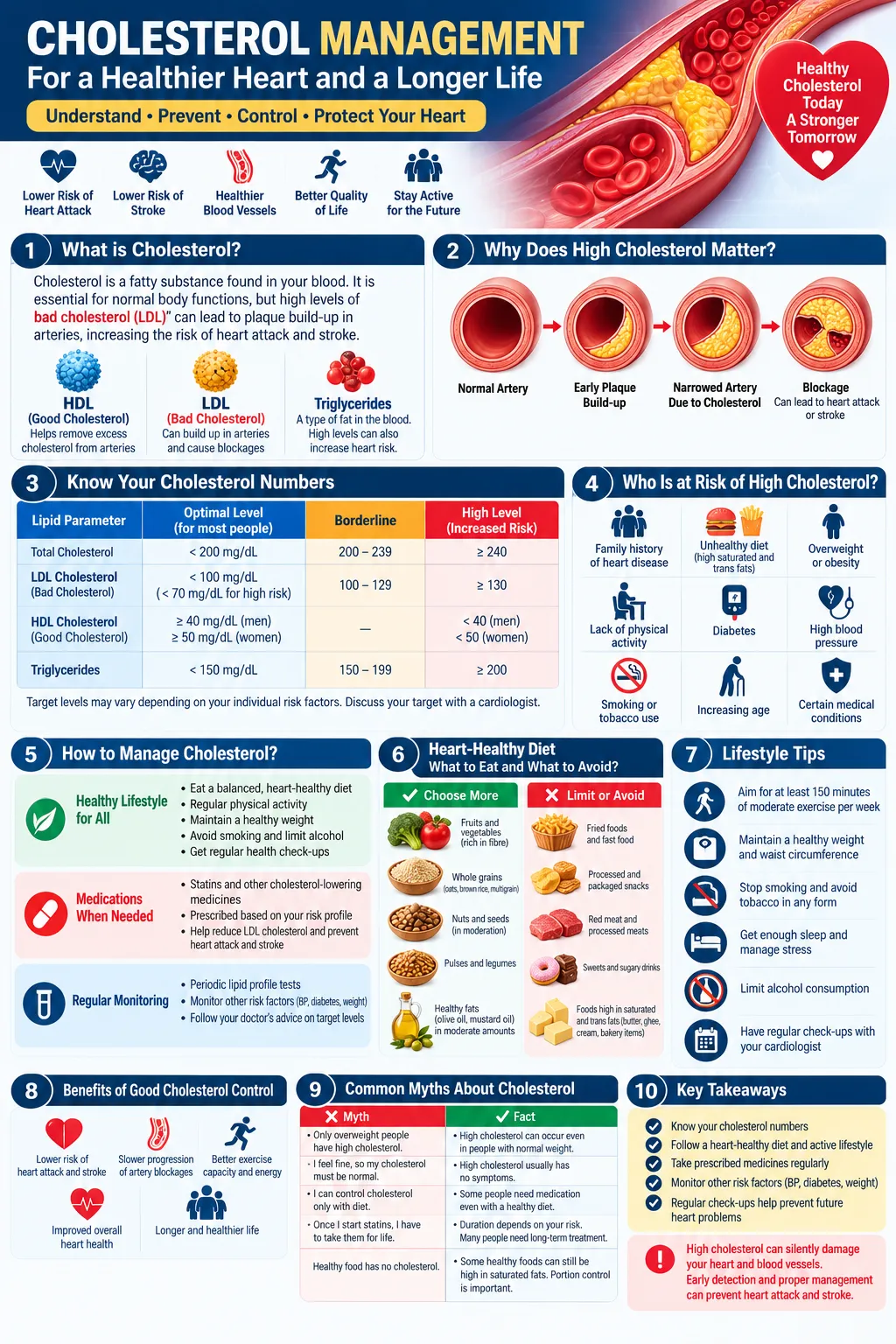
Cholesterol Management: A Cardiologist’s Guide to Healthy Cholesterol LevelsHigh cholesterol is a common health concern that can increase the risk o... ( Read More )
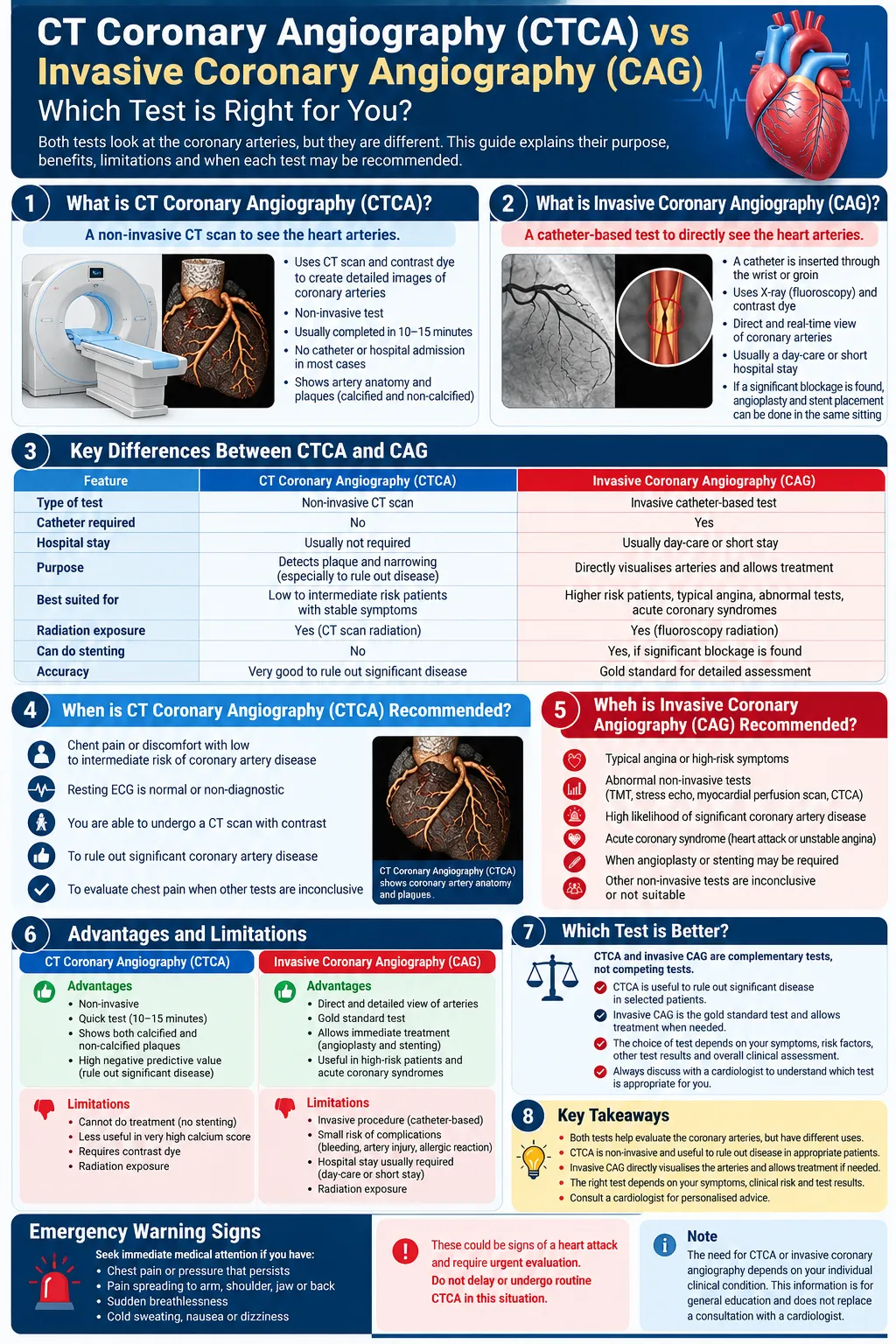
CT Coronary Angiography vs Invasive Coronary Angiography: Which Test Is Right for You?When evaluating possible coronary artery disease, two commonly d... ( Read More )