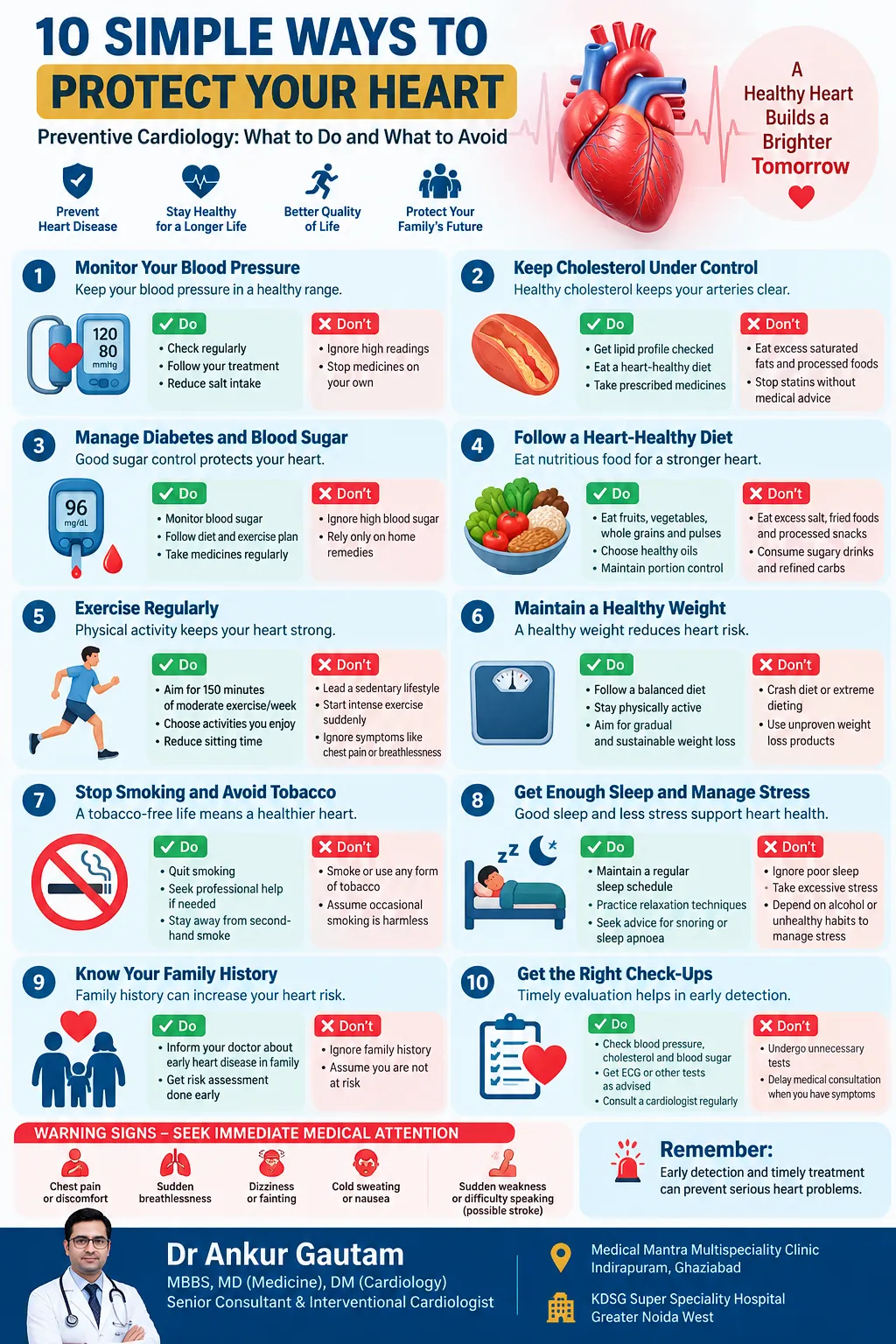
Medical Services
The Largest online database of patient reviews for doctors, facilities and online Appointment.


Sigmoidoscopy: An Important Diagnostic Tool in Gastroenterology
Sigmoidoscopy is very important to figure out what is wrong with the digestive system when there is rectal bleeding, prolonged diarrhoea, stomach pain, or changes in bowel habits.
Doctors can see the lining of the colon directly with a flexible tube that has a light and camera. They can also obtain tissue samples (biopsies) and even remove polyps if necessary during the same surgery. Best Colon screening Faridabad.
This test is very useful for finding colorectal cancer and inflammatory bowel illnesses like ulcerative colitis early on. Doctors often recommend this test for people over 50 or those with a family history of colon cancer.
Sigmoidoscopy is a beneficial first step for checking the gastrointestinal system since it is safe, effective, and accurate. It doesn't look at the whole colon, but its specialised approach gives important information and can help determine if other tests are needed. Sigmoidoscopy is still a viable and quick way to check for lower GI symptoms and make sure that patients perform well in modern digestive therapy. Sigmoidoscopy expert in Faridabad.
Sigmoidoscopy is an important diagnostic examination in gastroenterology that lets doctors see the rectum and sigmoid colon, which are the lower parts of the large intestine. This minimally invasive procedure is becoming a key part of figuring out a lot of different gastrointestinal (GI) problems, from mild ones like haemorrhoids to more significant ones like inflammatory bowel disease (IBD) or colon cancer.
Flexible sigmoidoscopy is the more usual procedure. Rigid sigmoidoscopy, on the other hand, is currently done less often and has a smaller range of diagnostic purposes. It uses a straight, inflexible tube. Best sigmoidoscopy doctor in Faridabad.
Sigmoidoscopy is suggested for numerous symptoms, such as rectal bleeding, persistent diarrhoea, stomach discomfort, unexplained weight loss, and alterations in bowel patterns. It also screens for colorectal cancer in those over 50 or with a family history. Sigmoidoscopy only looks at the distal region of the colon, which makes it faster and safer and often doesn't need full anaesthesia. Full colonoscopy looks at the whole colon.
One of the best things about sigmoidoscopy is that it lets you see things in real time and lets you take tissue samples, remove polyps, or sample mucosa all at the same time. This immediacy improves the accuracy of diagnoses and often means that patients don't have to have the same tests done again. Furthermore, the treatment is usually done on an outpatient basis, and most patients can go back to their daily activities soon after. Top Diarrhoea Doctor in Faridabad.
Getting ready for a sigmoidoscopy is usually easier than getting ready for a full colonoscopy. For example, a mild enema is frequently used instead of a full bowel cleansing. Sigmoidoscopy is a good first-line tool for finding out what's wrong because it has less prep work, lower hazards, and a shorter time. This is especially true in places where resources are limited or where a speedy diagnosis is important.
Sigmoidoscopy has several drawbacks, even though it offers certain benefits. It doesn't show the whole colon and might miss lesions in the proximal colon. If abnormalities are identified or symptoms don't go away, a complete colonoscopy may be done next.
In conclusion, sigmoidoscopy is still a potent, easy-to-use, and quick way to diagnose problems in modern gastroenterology. Its function in improving early diagnosis and patient care is widely known, whether it is used to examine for symptoms or as a routine cancer screening. Sigmoidoscopy is still a useful tool for finding and treating lower gastrointestinal problems early on because of improvements in endoscopic technology and a growing awareness of preventative healthcare. Best gastroenterologist for sigmoidoscopy in Faridabad.

Blood tests are commonly used to understand different aspects of a person's health. Doctors may recommend them to investigate symptoms, monitor existi... ( Read More )
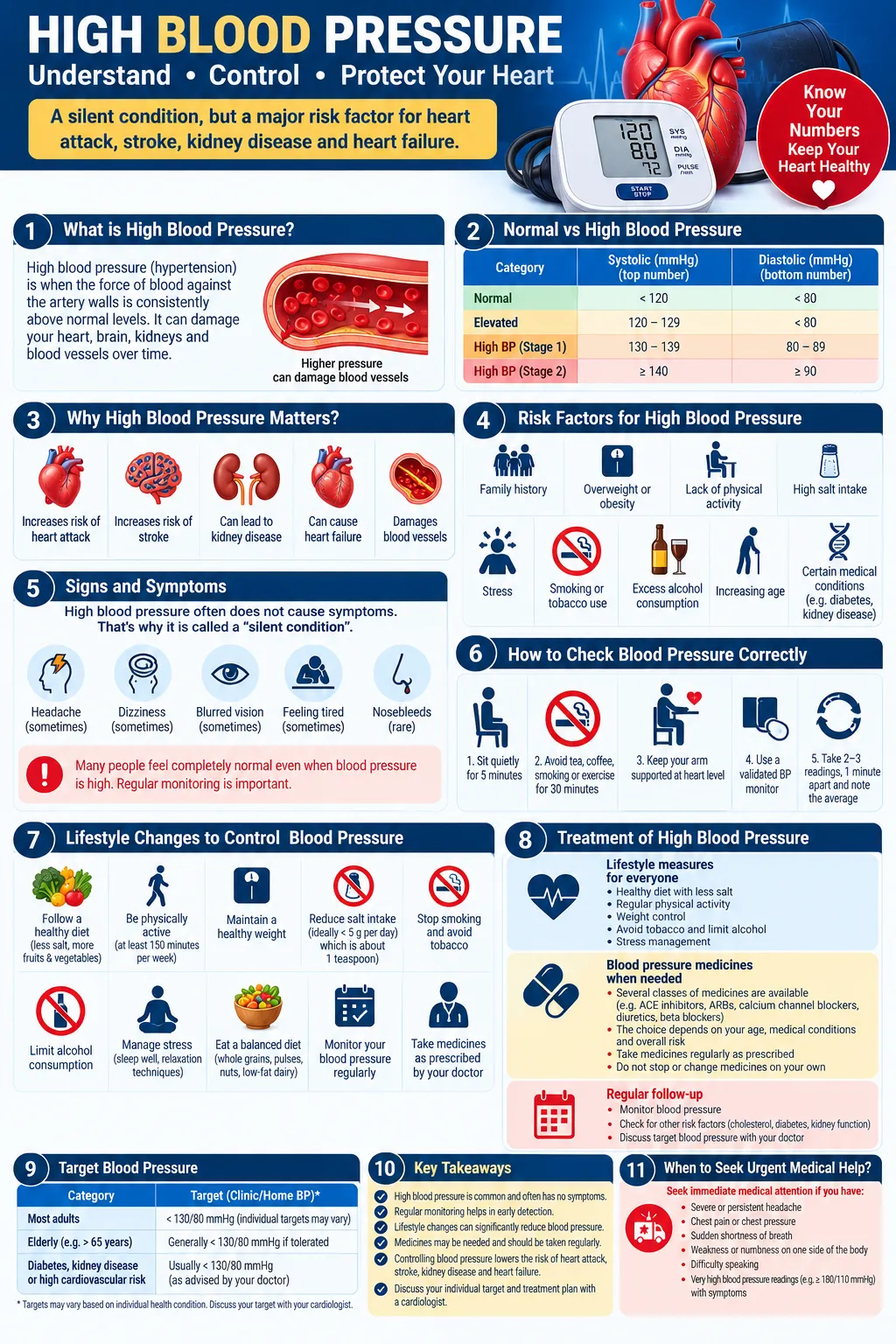
High Blood Pressure: Symptoms, Causes, Treatment and PreventionHigh blood pressure, also known as hypertension, is one of the most common cardiovascul... ( Read More )
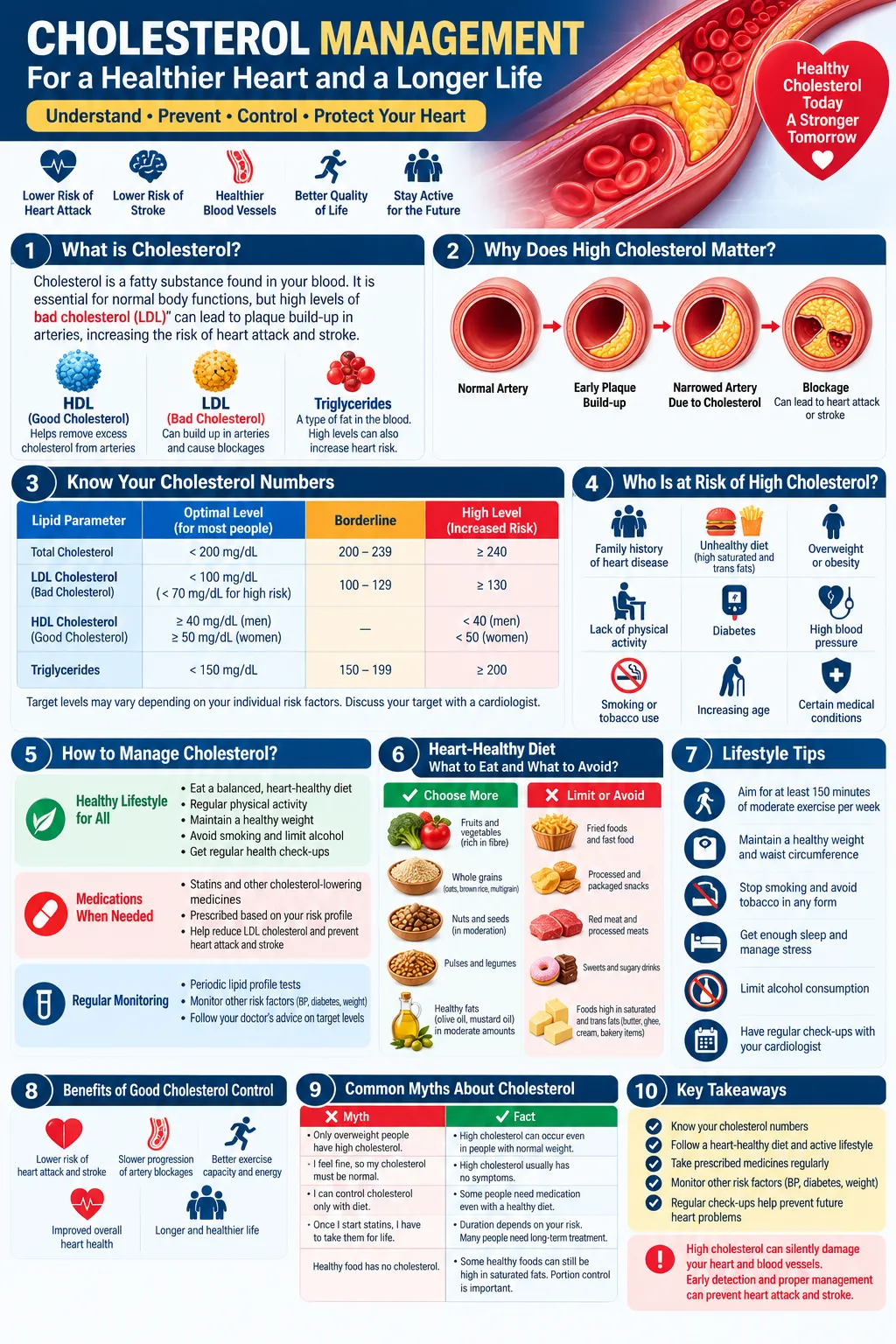
Cholesterol Management: A Cardiologist’s Guide to Healthy Cholesterol LevelsHigh cholesterol is a common health concern that can increase the risk o... ( Read More )
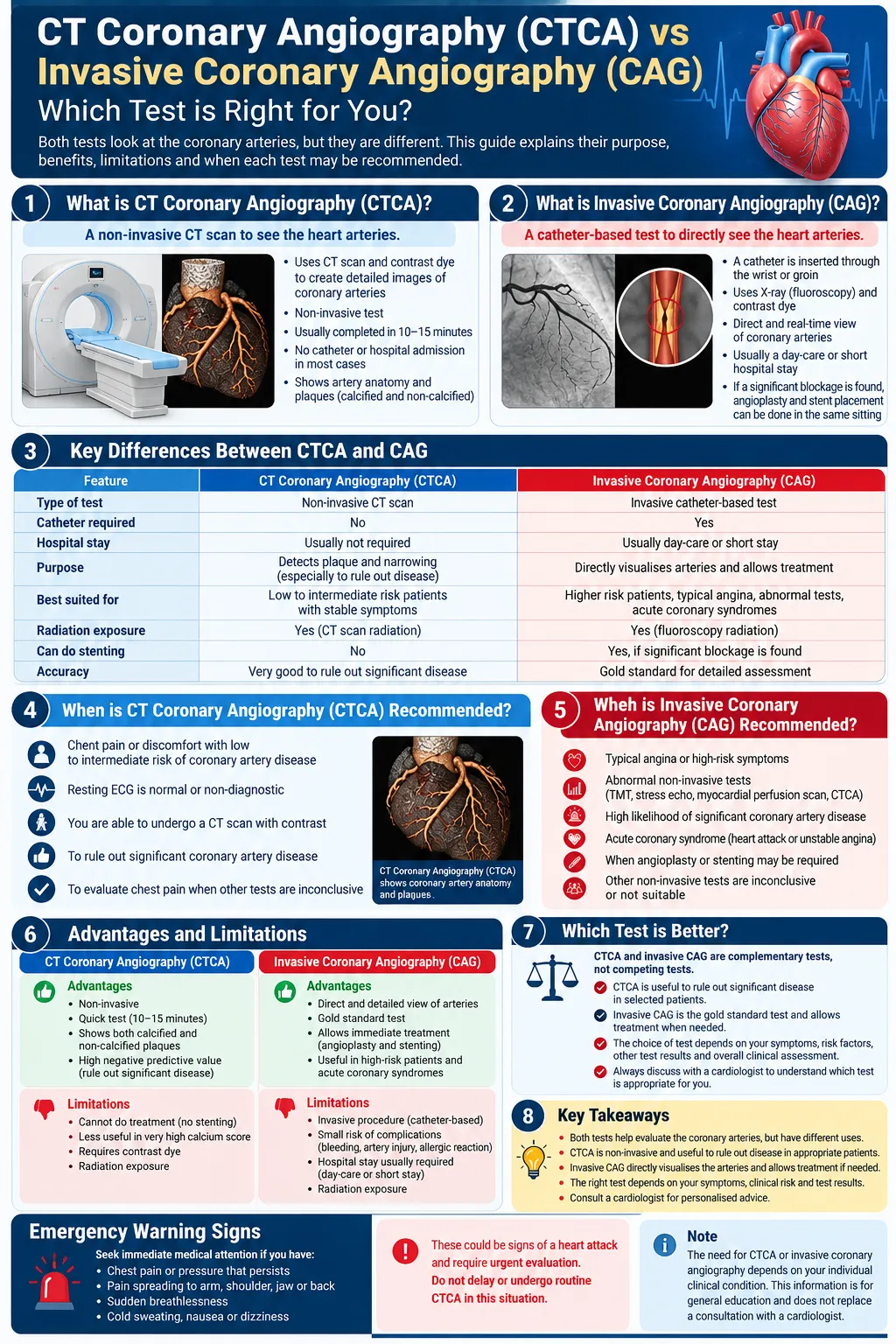
CT Coronary Angiography vs Invasive Coronary Angiography: Which Test Is Right for You?When evaluating possible coronary artery disease, two commonly d... ( Read More )