Medical Services
The Largest online database of patient reviews for doctors, facilities and online Appointment.


Cancer is a complicated collection of disorders characterized by the unchecked proliferation of abnormal cells in the body, and if it goes undetected and untreated early on, it might lead to serious illness or death. With about 100 varieties of cancer, the most often occurring ones are breast, lung, prostate, colorectal, and skin cancer. Breast Cancer Surgeon in Delhi-NCR.
Cancer can have environmental exposures, genetic elements, lifestyle choices (such as smoking, poor food, and lack of exercise), and some infections, among other causes. Though the type and stage of the cancer will determine the symptoms, they usually include tiredness, inexplicable weight loss, ongoing pain, or strange lumps or bleeding.
Regular screenings help to greatly increase the likelihood of effective therapy by early discovery. More efficient treatments include surgery, chemotherapy, radiation, targeted medicines, and immunotherapy that follow from advances in medical science. Top Oncologists in Delhi-NCR.
Leading a healthy life, avoiding tobacco and excessive alcohol, eating a balanced diet, and exercising consistently can prevent many cancers. Regular visits and awareness of changes in your body are also key.
Although a cancer diagnosis can be life-changing, for many individuals, early intervention and the correct course of therapy give hope and a chance of remission or cure.
Early Detection Strategies for Saving Lives: Cancer Screening Guidelines
However, many forms of cancer are treatable or even curable when they are discovered early. Identifying cancer before symptoms show is mostly dependent on screening tests, which also help to improve therapy results and raise survival rates. This page provides recommended screening guidelines for common malignancies, thereby assisting individuals in making informed health decisions. Best Gynecologic oncology doctor in Faridabad, Sector 86.
1. Cancer of the breast
Women between the ages of 45 and 54 should undergo mammograms yearly, according to the American Cancer Society; those 55 and older may choose biannual screening or keep yearly screening. Women at higher risk—from family history or genetic abnormalities like BRCA1 or BRCA2—may require MRI, among other earlier and more frequent screening tests.
2. Cancer of the Cervix
Over the past few decades, cervical cancer screening has drastically lowered death rates. We advise Pap tests every three years from the ages of 21 to 29. Usually, screening ends at age 65 if findings have been normal on repeated tests.
3. Colorectal cancer
Usually over 45, colorectal cancer strikes men as well as women. The U.S. Preventive Services Task Force (USPSTF) counsels adults to start frequent screening at 45. Among the screening options are stool-based testing, colonoscopies every ten years, and various imaging studies, such as a CT colonography every five years. Early polyp discovery helps to stop them from turning malignant.
4. Lung Cancer
Those between the ages of 50 and 80 with a 20-pack-year smoking history and who either presently smoke or have quit within the past 15 years should have lung cancer screening. Lung Cancer in Gurgaon, Phase 4.
5. Cancer of the Prostate
A PSA (prostate-specific antigen) blood test forms part of prostate cancer screening. Men fifty years of age and older should talk to their doctor about the advantages and drawbacks. Men of African American descent and those with a family history of prostate cancer may want to begin screening at age 45. Although regular screening is debatable because of over diagnosis, it can help identify dangerous tumours early. Affordable cancer consultation in Delhi NCR.
Finally
Early detection of cancer at a more curable stage helps save lives. It is essential to follow suitable screening recommendations based on age, risk factors, and family history. Frequent visits and honest communication with doctors help people to take control of their health. Early intervention can significantly impact cancer outcomes. Top Cancer doctor in Delhi-NCR.

Blood tests are commonly used to understand different aspects of a person's health. Doctors may recommend them to investigate symptoms, monitor existi... ( Read More )
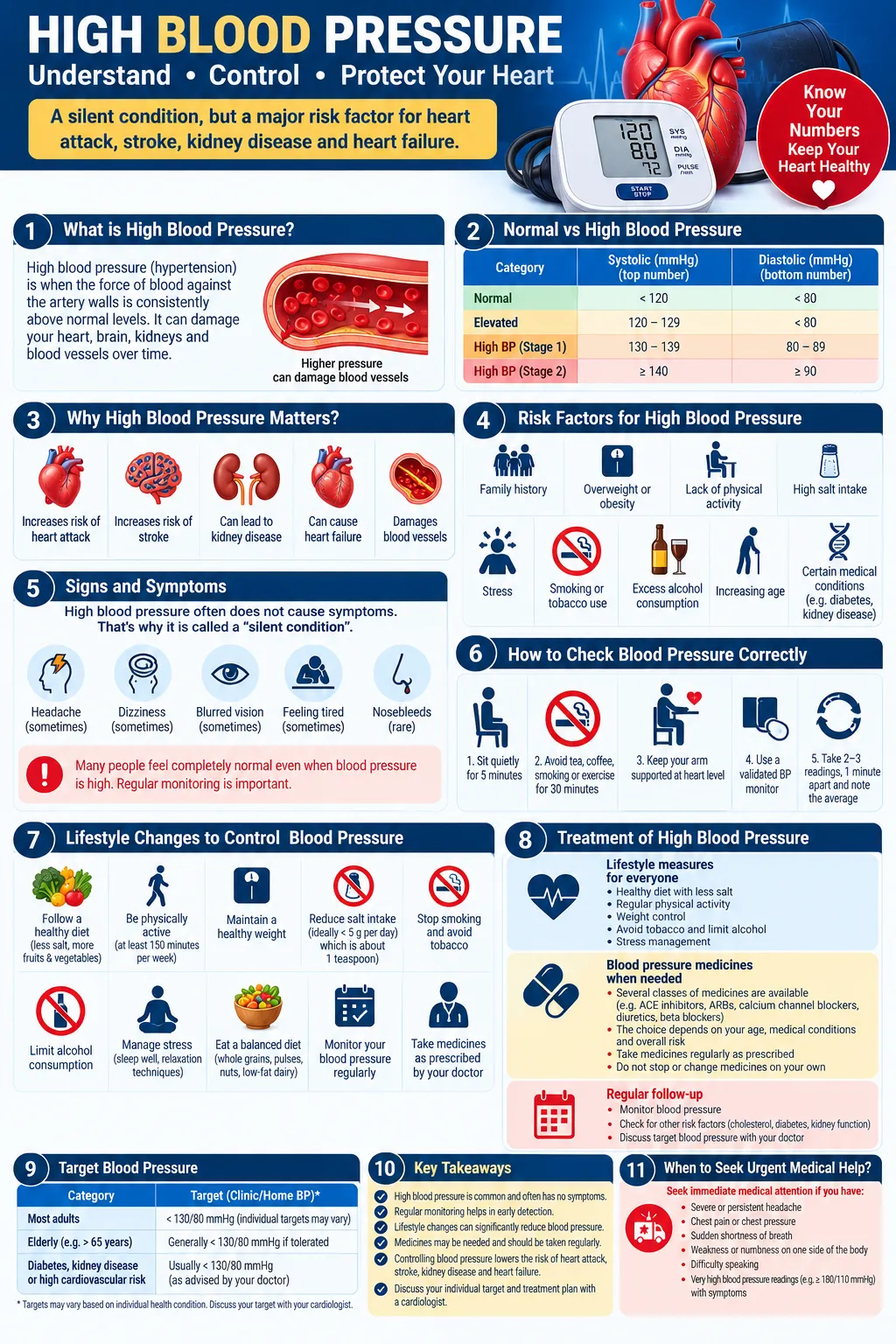
High Blood Pressure: Symptoms, Causes, Treatment and PreventionHigh blood pressure, also known as hypertension, is one of the most common cardiovascul... ( Read More )
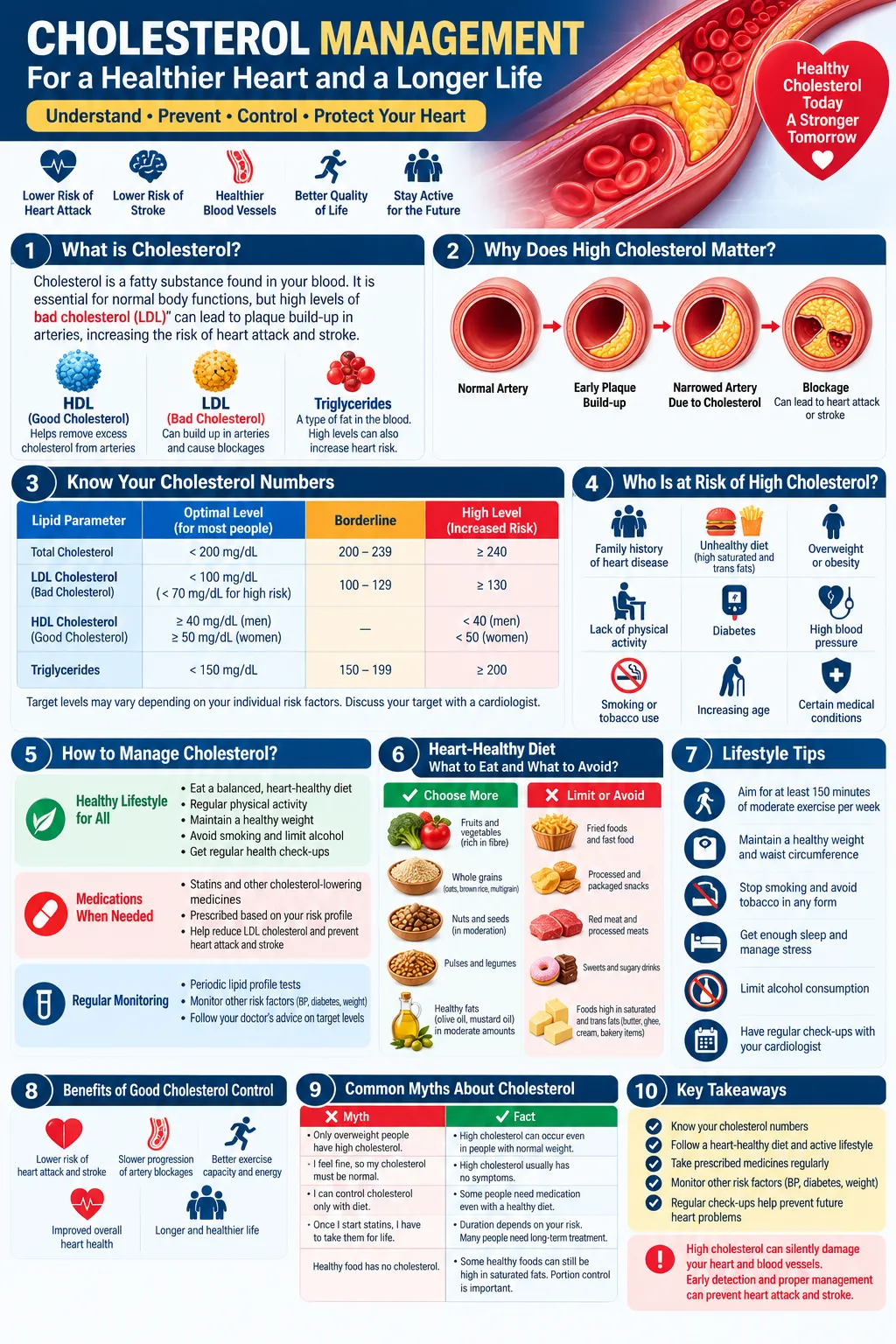
Cholesterol Management: A Cardiologist’s Guide to Healthy Cholesterol LevelsHigh cholesterol is a common health concern that can increase the risk o... ( Read More )
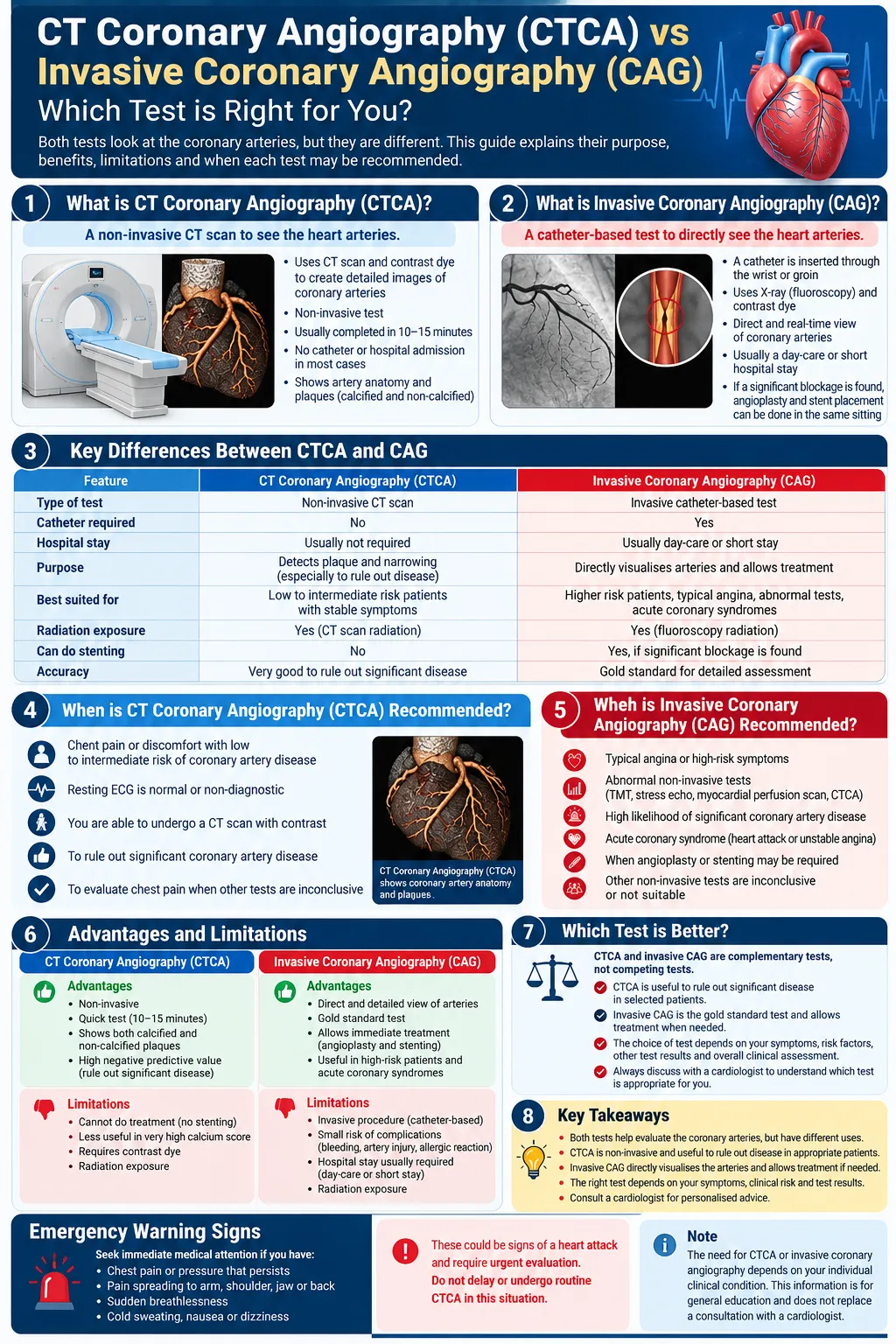
CT Coronary Angiography vs Invasive Coronary Angiography: Which Test Is Right for You?When evaluating possible coronary artery disease, two commonly d... ( Read More )