Medical Services
The Largest online database of patient reviews for doctors, facilities and online Appointment.


For couples trying to conceive, the journey to parenthood can sometimes take longer than expected. When natural conception does not happen despite regular efforts, it is normal to feel worried, confused, or uncertain about the next step. The good news is that medical advancements have made several fertility treatments available to help couples understand and address their reproductive health concerns.
IVF treatment in Karimnagar is an option couples can explore when they need specialised fertility care. In vitro fertilisation, commonly known as IVF, is an assisted reproductive technology that helps an egg and sperm fertilise in a laboratory. The resulting embryo is then transferred into the uterus in the hope of achieving pregnancy.
Understanding the treatment process, knowing when to seek help, and consulting an experienced fertility specialist can help couples make informed decisions about their reproductive health.
In vitro fertilisation (IVF) is a fertility treatment in which eggs are collected from the ovaries and fertilised with sperm in a laboratory. If fertilisation results in suitable embryos, one embryo may be transferred into the uterus.
IVF may be recommended for different fertility concerns, including blocked fallopian tubes, ovulation disorders, certain cases of male infertility, endometriosis, and unexplained infertility.
The treatment plan depends on the couple's medical history, age, fertility test results, and previous treatment experiences. An individual assessment helps the fertility specialist determine whether IVF is appropriate or whether another treatment may be considered first.
Not every couple experiencing difficulty conceiving needs IVF immediately. However, seeking professional advice at the right time can help identify possible causes and prevent unnecessary delays.
Couples may consider consulting an IVF specialist in Karimnagar in the following situations:
Difficulty conceiving: Couples may benefit from a fertility evaluation after 12 months of regular, unprotected intercourse if the woman is under 35, or after six months if she is 35 or older.
Irregular ovulation: Conditions such as polycystic ovary syndrome can affect ovulation and may require specialised treatment.
Blocked fallopian tubes: IVF can help bypass the fallopian tubes when they are blocked or severely damaged.
Male fertility concerns: Low sperm count, poor sperm motility, or other sperm related problems may affect natural conception.
Endometriosis: Depending on its severity and its effect on fertility, IVF may be one of the recommended treatment options.
Unexplained infertility: When initial investigations do not reveal a clear cause, a fertility specialist may discuss IVF based on individual circumstances.
Women over 40 and people with known fertility conditions may benefit from seeking medical advice sooner rather than waiting for the usual timeframes.
Knowing what happens at each stage can make IVF feel less overwhelming. Although individual protocols differ, the process generally includes the following steps.
The journey begins with a consultation with a fertility doctor in Karimnagar. The specialist reviews the medical history of both partners, previous pregnancies, menstrual patterns, lifestyle factors, and any earlier fertility treatments.
The doctor may recommend blood tests to assess hormone levels and ovarian reserve, an ultrasound examination, and other investigations depending on the patient's needs. Semen analysis is commonly used to evaluate male fertility.
These tests help the specialist understand the likely cause of infertility and develop an appropriate treatment plan.
Medications are used to stimulate the ovaries to develop multiple eggs. The patient's response is monitored through ultrasound scans and, when appropriate, blood tests. Medication and monitoring schedules vary between individuals.
When the eggs are ready, they are collected through a medical procedure. A sperm sample is also obtained, and fertilisation is attempted in the laboratory. In some cases, intracytoplasmic sperm injection, or ICSI, may be recommended to assist fertilisation.
The embryos are monitored in the laboratory. If suitable embryos develop, an embryo may be transferred into the uterus. Depending on the clinical circumstances, suitable embryos may also be frozen for future use.
A blood test is performed at the time advised by the fertility team to determine whether pregnancy has occurred. Following the recommended testing schedule is important because testing too early may lead to misleading results.
Choosing a fertility specialist is an important decision because treatment involves medical, emotional, and practical considerations. Couples should look for a doctor with relevant training in reproductive medicine, experience in managing different infertility conditions, and a patient focused approach.
When evaluating an IVF specialist in Karimnagar, consider whether the doctor explains treatment options clearly, discusses the possible benefits and limitations of each approach, and provides guidance tailored to your medical history.
It is also helpful to ask about the investigations required, the expected treatment timeline, potential risks, and how progress will be monitored. Couples should feel comfortable discussing their concerns and asking questions throughout the process.
Dr. Biji B Pillai is a fertility specialist associated with Ferty9 Fertility Center in Karimnagar. Couples considering treatment can review her professional profile and arrange a consultation to understand their available options.
IVF outcomes vary from one patient to another. Several factors can influence the chances of achieving pregnancy, including:
Age: Egg quality and quantity generally decline with age, which can affect treatment outcomes.
Ovarian reserve: The number of eggs available and the response to stimulation can influence treatment planning.
Sperm health: Sperm count, movement, and other characteristics may affect fertilisation and embryo development.
Underlying medical conditions: Conditions affecting the uterus, hormones, or reproductive organs may influence treatment decisions.
Embryo development: The development and characteristics of embryos can affect the likelihood of pregnancy.
No fertility specialist can guarantee a successful outcome. A personalised consultation is the best way to understand the factors relevant to an individual couple.
Preparing for IVF involves more than attending appointments. Couples can support their general health by maintaining a balanced diet, staying physically active as advised, avoiding smoking, limiting alcohol, and getting adequate sleep.
It is important to take prescribed medications correctly and inform the fertility team about existing health conditions, supplements, and other medicines. Emotional support from a partner, trusted family members, a counsellor, or a fertility support group can also help during treatment.
Most importantly, couples should avoid comparing their treatment journeys with others. Each person's fertility needs and response to treatment are different.
Exploring IVF treatment in Karimnagar can be an important step for couples who are experiencing difficulty conceiving. Understanding the treatment process, identifying possible fertility concerns, and seeking timely medical guidance can make the journey more manageable.
With an individualised treatment plan and appropriate medical support, couples can explore the options available for their circumstances. Consulting a qualified fertility specialist can help you understand the next steps and make informed decisions about your path to parenthood.
IVF may be considered for couples with blocked fallopian tubes, certain male fertility problems, ovulation disorders, endometriosis, or unexplained infertility. A fertility specialist can assess whether it is suitable for your situation.
An IVF cycle often takes several weeks from the beginning of ovarian stimulation to the pregnancy test. The exact timeline depends on the treatment protocol, response to medication, and whether additional steps are required.
Some stages, such as hormone injections, may cause temporary discomfort, bloating, or mild cramping. Egg retrieval is generally performed with sedation or anaesthesia. Experiences vary, so discuss pain management and possible side effects with your fertility specialist.
No. IVF can help many couples, but it does not guarantee pregnancy. Outcomes depend on factors such as age, egg and sperm quality, embryo development, and underlying medical conditions.
Consider a fertility evaluation after 12 months of trying if you are under 35, or after six months if you are 35 or older. Seek advice sooner if you are over 40 or have known fertility concerns, irregular periods, or a history of reproductive health conditions.
Yes. Fertility difficulties can involve either partner or both. Evaluating both partners helps the doctor identify possible causes and recommend appropriate treatment options.
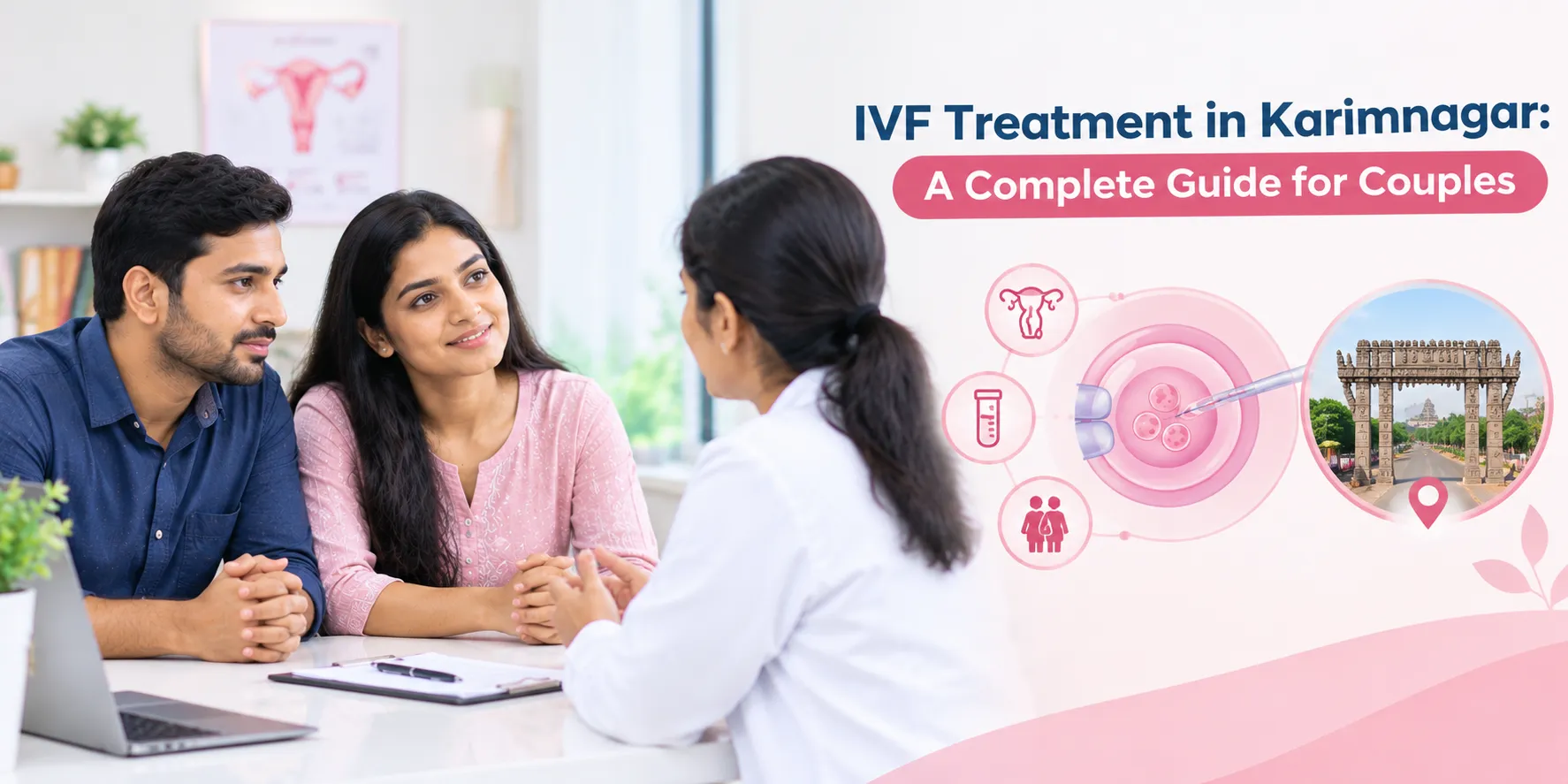
For couples trying to conceive, the journey to parenthood can sometimes take longer than expected. When natural conception does not happen despite reg... ( Read More )
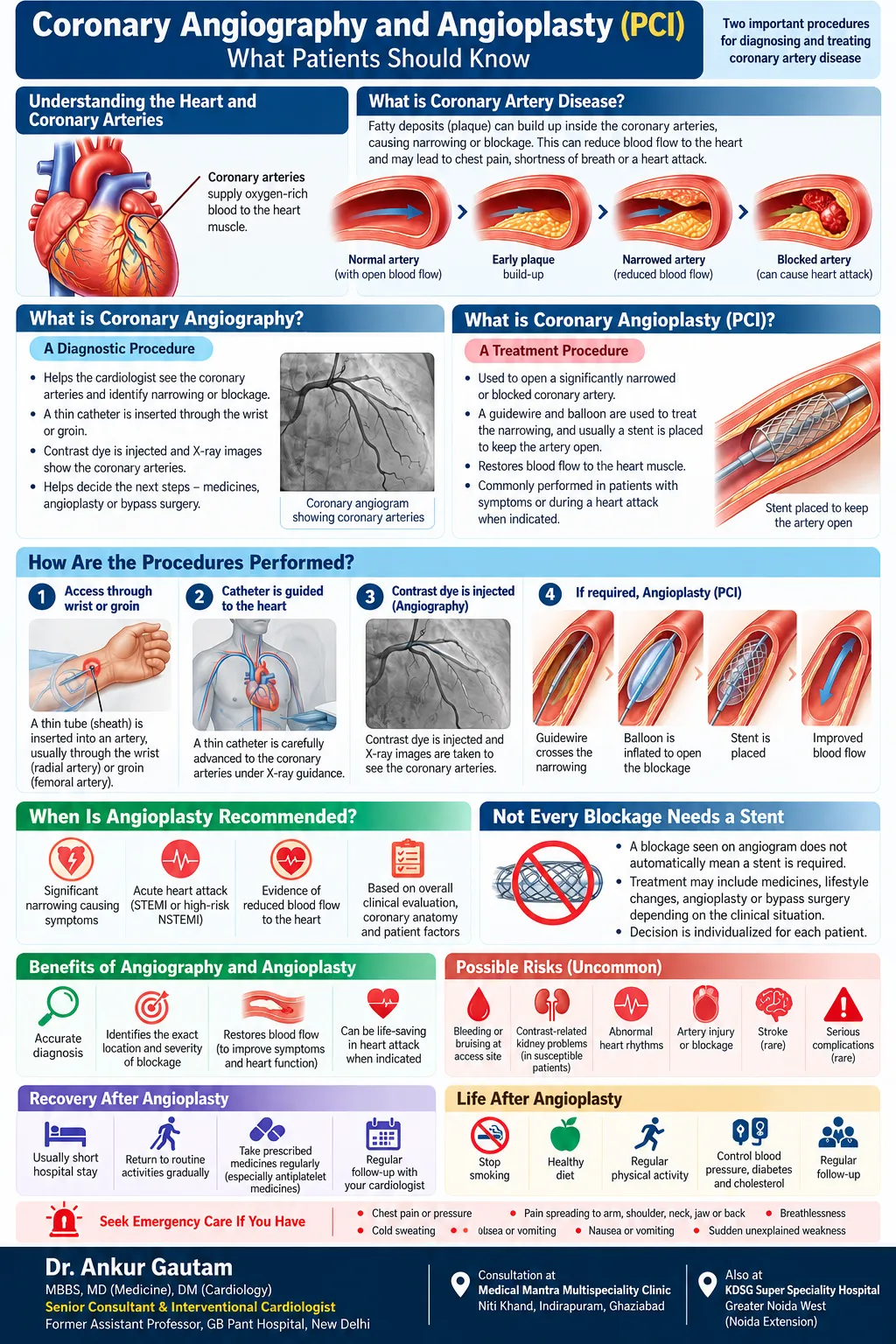
Coronary Angiography and Angioplasty: Understanding the DifferenceCoronary artery disease occurs when plaque builds up inside the arteries that supply... ( Read More )

Indian Medical Visa from Kenya — Complete 2026 OverviewThousands of Kenyan patients travel to India each year for advanced, affordable medical care ... ( Read More )

Managing diabetes does not mean you have to completely avoid fruits. Fruits are full of vitamins, minerals, and fiber that are important for your heal... ( Read More )